Five small stacks for a clearer head
Pick the goal that bothers you most. Each stack is two to four supplements, chosen from published trials at the doses that were actually studied. No proprietary blends, no twelve-bottle routines.
How to use this guide
Start with the goal that bothers you most. More bottles is not more results.
Every product is a standardized extract at the dose the published trials actually used.
When an ingredient has its own TopsFive ranking, the stack uses a product from that ranking.
We build these from published trials, product specs, and verified buyer feedback. We don't run our own lab tests, and this is general information, not medical advice. Supplements are not intended to diagnose, treat, cure, or prevent any disease. Talk to your doctor before starting anything new, especially if you take medication, are pregnant or nursing, or have a health condition. Prices are approximate and change frequently.
Calm Focus
For deep work without the jitters
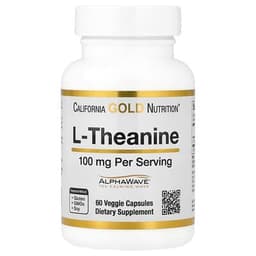
Promotes relaxed alertness. In controlled trials, theanine taken with caffeine improved attention accuracy with fewer jitters than caffeine alone.
How to take it: 100-200 mg with your morning coffee.
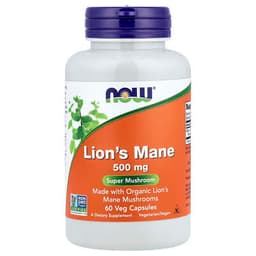
The budget pick from our lion's mane ranking. An inexpensive way to add the mushroom's slower-building support for focus.
How to take it: 2 capsules (1,000 mg) daily with food.
Why These Together
Theanine with caffeine works from the first cup. Lion's mane is the long game: the studies that found benefits ran for weeks, not days.
How to Run It
Take theanine with your first coffee rather than on its own. Lion's mane goes with any meal, same time each day.
Swap: Prefer a verified extract powder over capsules? Our #1 lion's mane overall is Real Mushrooms' verified powder.
Memory & Learning
For studying, retention, and long projects

Doctor's Best, Bacopa with Synapsa, 320 mg, 60 Veggie Caps
Standardized to 55% bacosides. This is the exact extract and dose behind most of the positive memory trials. It works slowly, so plan on 8-12 weeks.
How to take it: 1 capsule daily with a meal. It can bother an empty stomach.
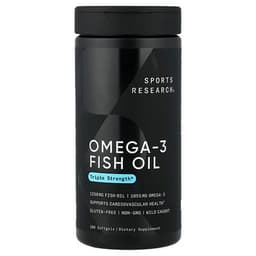
Our top-ranked fish oil. High-strength EPA+DHA in the well-absorbed rTG form. Matters most if you rarely eat fatty fish.
How to take it: 1 softgel daily with a meal that has some fat.
Small studies in older adults with mild memory complaints showed improvement while taking it. Modest evidence, low cost.
How to take it: 2 capsules (1,000 mg) daily with food.
Why These Together
Bacopa has the strongest trial record of any herb for recall. Omega-3 covers the structural side. Lion's mane is the inexpensive extra.
How to Run It
Give it 12 weeks before you judge it. Take everything with meals, at the same time daily. If you only buy one item, make it the bacopa.
Swap: Upgrade the lion's mane to our #1 pick, Real Mushrooms' verified extract powder.
Brain Fog Reset
Rule out the deficiencies that feel like burnout
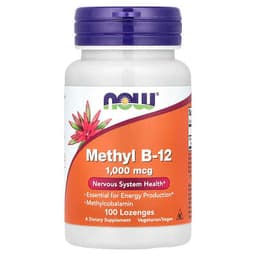
One of the most common causes of tired-and-foggy. Risk is highest for vegans, vegetarians, adults over 50, and anyone on acid reducers.
How to take it: 1 lozenge daily, dissolved under the tongue.
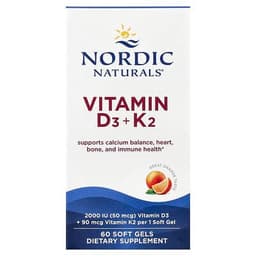
Low vitamin D is everywhere among office workers, and it tracks with low energy and low mood.
How to take it: 1 softgel daily with a meal that has some fat.
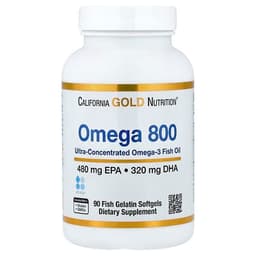
The most concentrated omega-3 on our ranking, and the cheapest EPA+DHA per gram if fish is rarely on your plate.
How to take it: 1 softgel daily with food.
Why These Together
Lasting fog is usually a deficiency story, not a nootropic deficit. B12, vitamin D, and omega-3 are the three gaps most people actually have.
How to Run It
Run it for 6-8 weeks. Still foggy? Stop buying supplements and get bloodwork: B12, vitamin D, ferritin, and thyroid are the usual suspects. If ferritin comes back low, see our gentle iron ranking; supplement iron only after a confirmed low result.
Mood & State of Mind
Everyday mood support, with a stress add-on

California Gold Nutrition, Saffron Extract with Affron, 28 mg, 60 Veggie Capsules
Affron saffron at 28 mg per day is the dose used in most randomized mood trials, where it consistently beat placebo. Third-party tested.
How to take it: 1 capsule daily, any time.
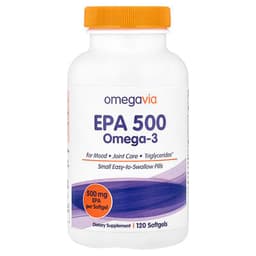
EPA-heavy omega-3 formulas do better than DHA-heavy ones in mood studies. This is the most EPA-rich pick on our fish oil ranking.
How to take it: 1-2 softgels daily with food.
Low vitamin D goes hand in hand with low mood. Cheap insurance if your days happen indoors.
How to take it: 1 softgel daily with a meal that has some fat.

NOW Foods, KSM-66 Ashwagandha, 600 mg, 90 Veg Capsules
If stress is the bigger problem: KSM-66 at 600 mg per day is the protocol from the stress and cortisol trials.
How to take it: 1 capsule daily. Move it to the evening if it makes you drowsy.
Why These Together
Saffron and EPA have the best evidence among over-the-counter mood supplements, and they work through different routes. Vitamin D covers the most common gap. Ashwagandha is the add-on for people whose real issue is stress load.
How to Run It
Saffron effects usually show within 4-6 weeks. Stay at label doses. These support a normal mood; they do not treat depression. If low mood persists or gets worse, talk to a professional, and check with your doctor before combining saffron or ashwagandha with any medication.
Sleep & Recovery
The highest-leverage brain intervention there is
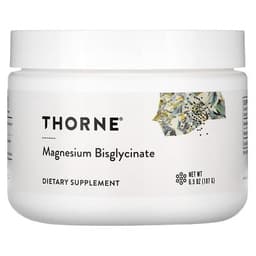
The top pick on our magnesium ranking. NSF-certified bisglycinate powder, absorbed well without the laxative effect of cheaper salts.
How to take it: 1 scoop (~200 mg elemental magnesium), 1-2 hours before bed.
Quiets pre-sleep mental chatter without sedating you. Doubles up with the Calm Focus stack if you run both.
How to take it: 100-200 mg, 30-60 minutes before bed.
Why These Together
Nothing else on this page moves focus, memory, or mood as much as sleeping well. Melatonin is missing on purpose: useful for jet lag, too easy to lean on nightly.
How to Run It
Consistency beats dosage: same time every night, screens dimmed after the magnesium. Groggy mornings? Lower the theanine first.
Swap: On a budget? The #3 pick on our ranking is a third of the price: NOW Foods bisglycinate powder.
Swap: Want one product instead of two? The #2 pick is a nighttime blend with magnesium, theanine, GABA, and melatonin: Natural Factors Nighttime Magnesium.
The bottom line
Start with the stack that matches your real bottleneck. If you sleep badly, that is the bottleneck, whatever it feels like. Run one stack at label doses for 8-12 weeks, and judge it by what you notice, not by what the bottle promises.
Browse our supplement rankings →