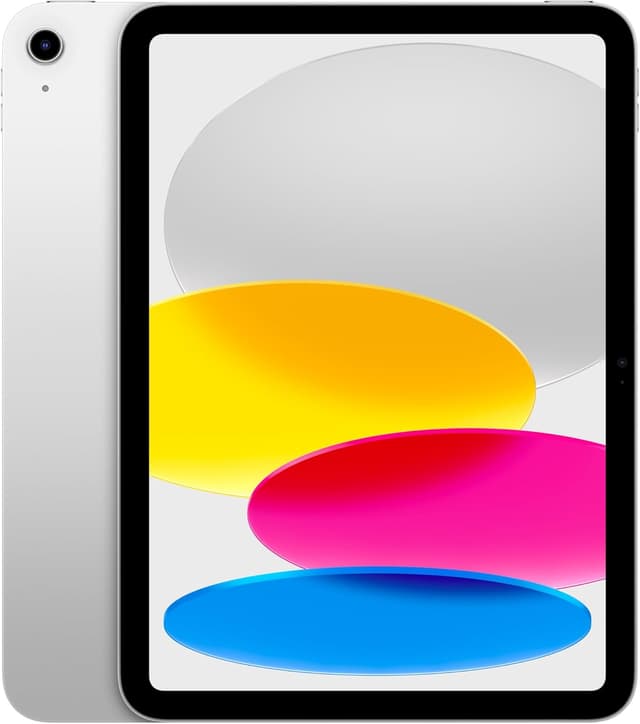
Apple iPad 11" (A16)
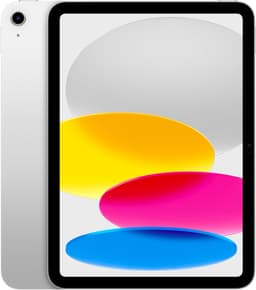
Universal acclaim as best sub-$350 tablet. A16 Bionic crushes Android competition with 6-7 years of updates—unmatched software longevity. Complete iPadOS ecosystem at frequently discounted $299.
Best tablets under $350.
We may earn a commission when you buy through our links. Prices and availability shown are accurate as of Sep 9, 2026 and are subject to change; the merchant's price at purchase applies.
Universal acclaim as best sub-$350 tablet. A16 Bionic crushes Android competition with 6-7 years of updates—unmatched software longevity. Complete iPadOS ecosystem at frequently discounted $299.
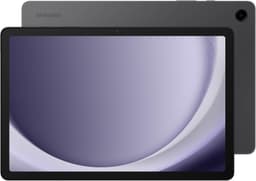
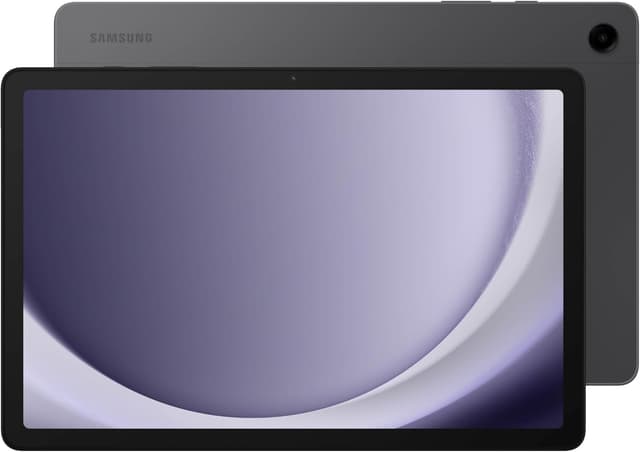
Best Android budget experience with 90Hz refresh, microSD expansion to 1TB, and Samsung DeX desktop mode. 12-14 hours real-world battery at just $220-250.
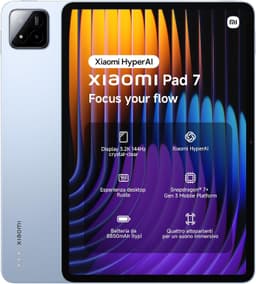
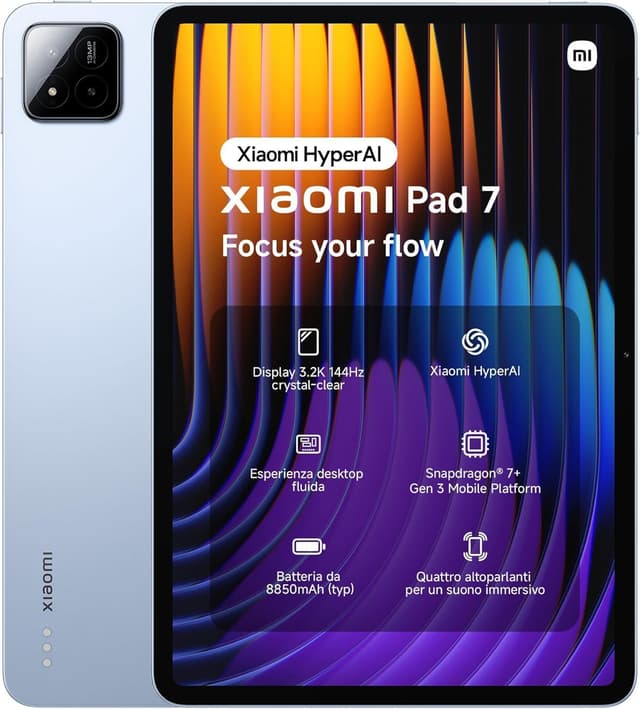
Premium metal build with 120Hz 2.5K display pushing budget boundaries at ~$300. Limited US availability is main drawback.
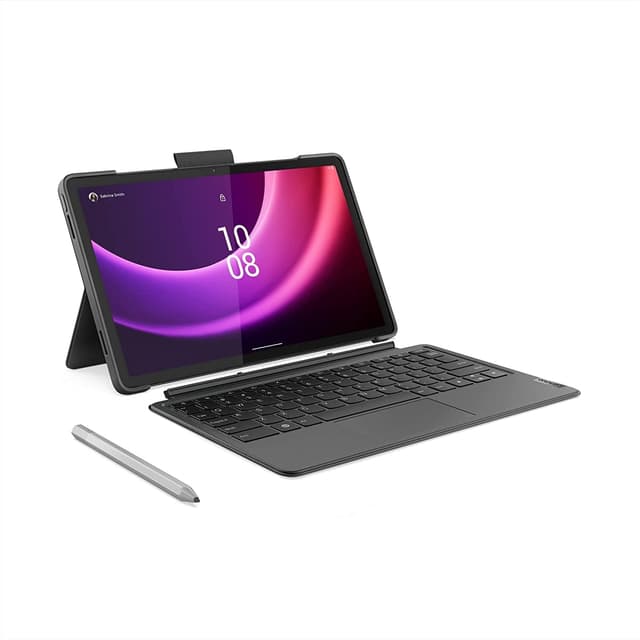
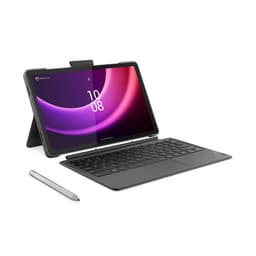
Balanced specs with clean Android and 11.5" 2K 120Hz display. Good value at $250-280 for mainstream users.
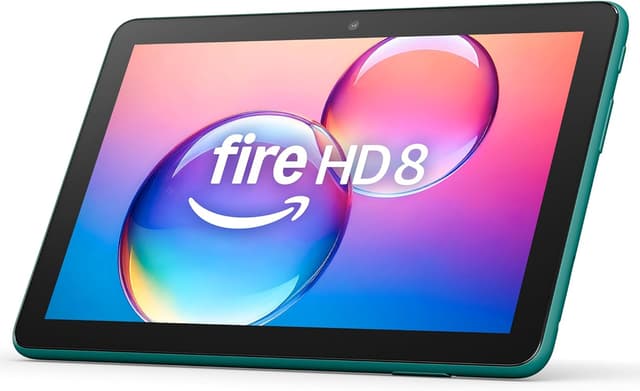
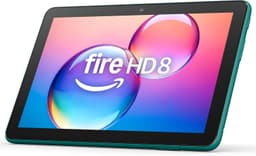
Ultra-budget at $100-115 with 13+ hours battery. Perfect for kids, reading, and streaming despite Fire OS limitations.
| #1 | #2 | #3 | #4 | #5 | |
|---|---|---|---|---|---|
| Product | ![]() | ![]() | ![]() | ![]() | ![]() |
| Brand | Apple | Samsung | Xiaomi | Lenovo | Amazon |
| Display | 10.9" Liquid Retina LCD, 2360×1640 | 11" LCD, 1920×1200, 90Hz | 11.2" LCD, 2560×1600, 120Hz | 11.5" IPS, 2000×1200, 120Hz | 8" HD, 1280×800, 60Hz |
| Processor | A16 Bionic | Snapdragon 695 5G | Snapdragon 7+ Gen 3 | MediaTek Helio G99 | MediaTek Helio P22 |
| Storage | 64GB/256GB | 64GB/128GB + microSD | 128GB/256GB | 128GB + microSD | 32GB/64GB + microSD |
| Battery | ~10 hours | 7040mAh, 12-14 hours | 8850mAh | 7700mAh | 13+ hours |
| Weight | 477g | 480g | 500g | 520g | 337g |
| Price | $349 → | $220 → | $300 → | $250 → | $100 → |
The first decision in a budget tablet isn't the spec sheet — it's which operating system you're buying into, because that choice determines how long the tablet stays useful. Apple's iPad 11" (A16) costs the most here but ships with 6-7 years of guaranteed software updates, so it will still be running current apps and iPadOS versions years after cheaper Android rivals have stopped receiving security patches. Mainstream Android tablets like the Samsung Galaxy Tab A9+, Xiaomi Pad 7, and Lenovo Tab P11 Gen 2 typically get 2-3 years of OS updates, and budget-tier Android support windows can be shorter still — factor that into cost-per-year, not just sticker price. Amazon's Fire HD 8 is a special case: Fire OS is a fork of Android without the Google Play Store, trading app variety for an ultra-low price, which makes it a poor fit for anyone who wants mainstream apps but a genuinely good pick for a dedicated kids' or e-reading tablet. Refresh rate is the second thing to weigh honestly. A 90-120Hz panel, like the Tab A9+'s 90Hz or the Xiaomi Pad 7 and Lenovo Tab P11 Gen 2's 120Hz displays, makes scrolling and video feel noticeably smoother than the iPad 11"'s 60Hz screen — but a higher refresh rate paired with a weaker budget chip can still feel sluggish under real multitasking, so don't let the headline refresh number substitute for checking the processor tier underneath it. Storage expansion is a genuine budget-tablet advantage worth prioritizing if you shoot a lot of photos or download offline video: every Android pick here except some Xiaomi configurations supports microSD expansion up to 1TB, while the iPad has no expansion slot at all, so its 64GB base configuration can fill up fast. Finally, match battery claims to your use case — the Fire HD 8's 13+ hour rating and the Tab A9+'s 12-14 real-world hours both reflect light use, and video streaming or gaming will pull those numbers down meaningfully on any tablet in this price range. The most common mistake in this category is buying on refresh rate and RAM alone and only later discovering the OS's update window or app-store limitations don't fit how you actually planned to use the tablet.
Budget tablets evaluated for value per dollar, real-world performance for everyday tasks, display quality, battery life, and ecosystem/software support longevity.
Features per dollar
Processing power
Screen quality
Hours
App support