Skip to content
Top 5 · Tablets

Top 5 Best Display Tablets 2026

OLED panels with 120Hz and HDR.

Updated October 21, 20265 rankedNo paid placements

We may earn a commission when you buy through our links.

Full rankings

1
Apple iPad Pro 11" (M5) - Ranked #1 Display Tablets
Best value

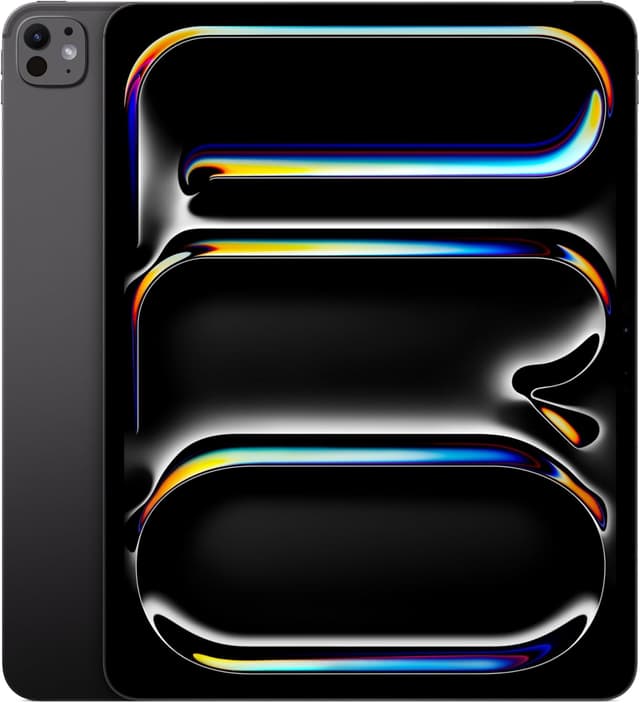
Apple iPad Pro 11" (M5)

Same Tandem OLED technology as 13" in most portable package. Thinnest tablet ever at 5.3mm with identical 1600 nit HDR brightness.

Thinnest ever 5.3mm444g lightest flagship1600 nits Tandem OLED$999 entry priceSmaller canvas limits productivity

2
Apple iPad Pro 13" (M5) - Ranked #2 Display Tablets
Best overall

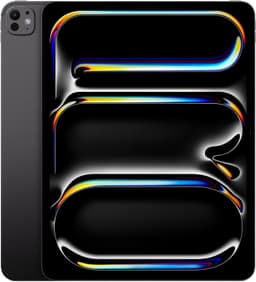
Apple iPad Pro 13" (M5)

Tandem OLED reaches 1600 nits of peak brightness, the brightest tablet display available. Contrast and HDR are best-in-class, and it holds up outdoors better than any competitor here.

1600 nits peak brightnessTandem OLED technologyM5 chip fastest$1,299+ entry priceSlight warm color cast
3
Samsung Galaxy Tab S11 Ultra - Ranked #3 Display Tablets
Best premium

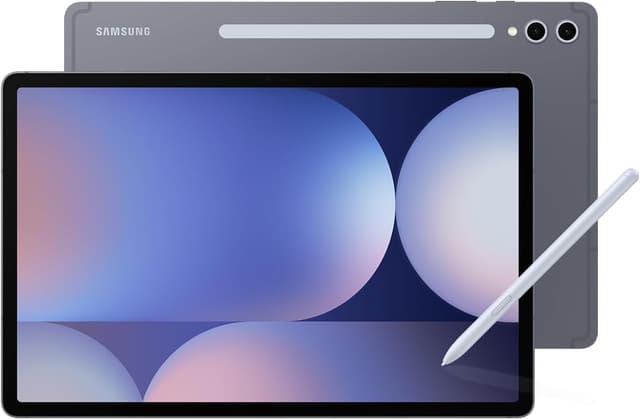
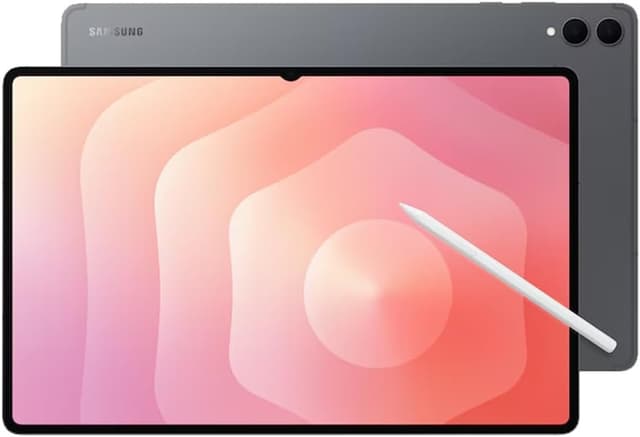
Samsung Galaxy Tab S11 Ultra

Direct successor to the Galaxy Tab S10 Ultra and the largest display in this list: a 14.6" 2960×1848 Dynamic AMOLED 2X panel with an anti-reflective coating, now rated for 1,600 nits peak, which GSMArena measured. It sits below the two iPad Pros, whose Tandem OLED panels score higher on display quality, and Amazon US sells it only through third-party sellers (this listing bundles a 256GB microSD card).

14.6" Dynamic AMOLED 2X, 2960×1848, 120Hz, the largest display in this listAnti-reflective coating plus a 1,600-nit peak rating, measured at about 1,600 nits in GSMArena's labDimensity 9400+ kept 78% of peak CPU and 71% of peak GPU performance in GSMArena's stress testsAmazon itself does not sell it in the US; this is a third-party listing bundled with a microSD card692g and a 14.6" footprint make it awkward to hold one-handed
4
Samsung Galaxy Tab S11 - Ranked #4 Display Tablets

Samsung Galaxy Tab S11

The same 1,600-nit-rated Dynamic AMOLED 2X technology as the S11 Ultra in an 11" 2560×1600 panel and a 469g body; Notebookcheck measured about 1,575 nits peak. It ranks below the Ultra because Expert Reviews notes it lacks the anti-reflective coating, but it is sold by Amazon itself and is the least expensive OLED tablet in this list.

11" Dynamic AMOLED 2X, 2560×1600, 120Hz, with a 1,600-nit peak rating (about 1,575 nits measured by Notebookcheck)Same Dimensity 9400+ chip and 12GB RAM as the Galaxy Tab S11 Ultra469g and 5.5mm, with IP68 dust and water resistanceNo anti-reflective coating, unlike the S11 Ultra (per Expert Reviews)Noticeable thermal throttling under sustained load, per nextpit and Notebookcheck
5
Samsung Galaxy Tab S10+ - Ranked #5 Display Tablets

Samsung Galaxy Tab S10+

12.4" sweet spot balancing size and portability. Same AMOLED 2X tech as Ultra with S Pen included and IP68 water resistance.

12.4" sweet spot sizeS Pen included ($100+ value)IP68 water resistantMediaTek trails SnapdragonNo cellular in some markets
Side by side

How they scored

ProductDisplay Quality · 35%Brightness · 25%Refresh Rate · 20%Resolution · 10%Value · 10%ScorePrice
1Apple iPad Pro 11" (M5)
101010989.7Check price →
2Apple iPad Pro 13" (M5)
101010979.6Check price →
3Samsung Galaxy Tab S11 Ultra
9.5910979.2Check price →
4Samsung Galaxy Tab S11
98.510999.1Check price →
5Samsung Galaxy Tab S10+
9810999.0Check price →

Specs Comparison

#1#2#3#4#5
Product
Apple iPad Pro 11" (M5) specs - Top 5 Display Tablets
Apple iPad Pro 11" (M5)
Apple iPad Pro 13" (M5) specs - Top 5 Display Tablets
Apple iPad Pro 13" (M5)
Samsung Galaxy Tab S11 Ultra specs - Top 5 Display Tablets
Samsung Galaxy Tab S11 Ultra
Samsung Galaxy Tab S11 specs - Top 5 Display Tablets
Samsung Galaxy Tab S11
Samsung Galaxy Tab S10+ specs - Top 5 Display Tablets
Samsung Galaxy Tab S10+
BrandAppleAppleSamsungSamsungSamsung
Display11.1" Ultra Retina XDR, 2420×1668, 120Hz OLED13" Ultra Retina XDR, 2752×2064, 120Hz OLED14.6" Dynamic AMOLED 2X, 2960×1848, 120Hz11" Dynamic AMOLED 2X, 2560×1600, 120Hz12.4" Dynamic AMOLED 2X, 2800×1752, 120Hz
ProcessorM5 (10-core CPU, 10-core GPU)M5 (10-core CPU, 10-core GPU)MediaTek Dimensity 9400+MediaTek Dimensity 9400+MediaTek Dimensity 9300+
RAM12GB12GB (16GB with 1TB+)12GB12GB12GB
Storage256GB-2TB256GB-2TB256GB + 256GB microSD card (bundled)128GB + microSD256GB/512GB + microSD
Battery31.29Wh38.99Wh, 10-11 hours11,600mAh, 45W charging8,400mAh, 45W charging10,090mAh
Weight444g579g692g469g571g
PriceCheck price →Check price →Check price →Check price →Check price →
Our #1 pick
Apple iPad Pro 11" (M5)
Check price at Amazon

How we ranked them

Display quality on a tablet comes down to four separate specs that do not move together, and buying on just one of them is the most common mistake in this category. OLED panel type is the biggest differentiator: Apple's Tandem OLED design, which stacks two OLED layers, lets the iPad Pro M5 line reach a peak brightness that single-layer OLED panels struggle to match, while Samsung's Dynamic AMOLED 2X on the Galaxy Tab S11 line still delivers excellent contrast and color but tops out lower on sustained brightness. If you read or edit outdoors often, peak nits matter more than any other spec: a tablet rated near 1,600 nits, like the iPad Pro or the Galaxy Tab S11 Ultra, stays legible in direct sunlight where a dimmer panel washes out. Refresh rate has largely stopped being a differentiator at this tier, since every pick here runs a 120Hz panel, so it should not be the deciding factor between them. Focus instead on resolution and pixel density relative to screen size, since a larger panel needs more pixels than a smaller one to look equally sharp. Coatings are easy to miss on a spec sheet but change how usable a bright panel actually is in mixed lighting: Samsung adds an anti-reflective coating to the Tab S11 Ultra that the standard Tab S11 lacks, part of why the smaller model sits a rank below it despite nearly identical underlying display hardware. Ecosystem and operating system matter for a display-focused purchase too, since iPadOS and Android handle HDR video and color management differently across streaming and creative apps; confirm the apps you actually use support the panel's full color gamut before paying a premium for it. Battery capacity is also worth weighing against brightness: driving a panel at its peak nit rating for extended HDR video or outdoor use draws noticeably more power than typical indoor brightness levels, so a brighter screen can mean more frequent charging in real-world use. Finally, treat manufacturer brightness claims with some skepticism unless backed by an independent measurement: marketing peak-nit figures are often measured only in a narrow HDR highlight window rather than the sustained full-screen brightness most people actually see while browsing or reading outdoors, which is why independently measured figures are cited above where available.

Display rankings prioritize panel technology (OLED vs LCD), peak brightness for HDR and outdoor use, refresh rate smoothness, and resolution/sharpness.

Display Quality

Panel technology

35%
Brightness

Peak nits

25%
Refresh Rate

Smoothness

20%
Resolution

Sharpness

10%
Value

Display per dollar

10%
Learn more about how we rank

Questions, answered

Is Tandem OLED worth the premium?
Apple's Tandem OLED stacks two OLED layers for 1,000 nits full-screen and 1,600 nits peak HDR brightness. It is worth it for HDR content, outdoor use, and professional color work. Samsung has narrowed the gap: the Galaxy Tab S11 and S11 Ultra AMOLED panels carry the same 1,600-nit peak rating, which GSMArena confirmed on the S11 Ultra with a small white test patch.
Biggest display tablet?
The Samsung Galaxy Tab S11 Ultra at 14.6" is the largest. It is ideal for creators and media but unwieldy for portability. The iPad Pro 13" offers a large display in a more manageable size, and the 11" Galaxy Tab S11 brings the same 1,600-nit-rated AMOLED technology to a compact body.
Still deciding?

Compare them head-to-head