OnePlus Pad Go 2
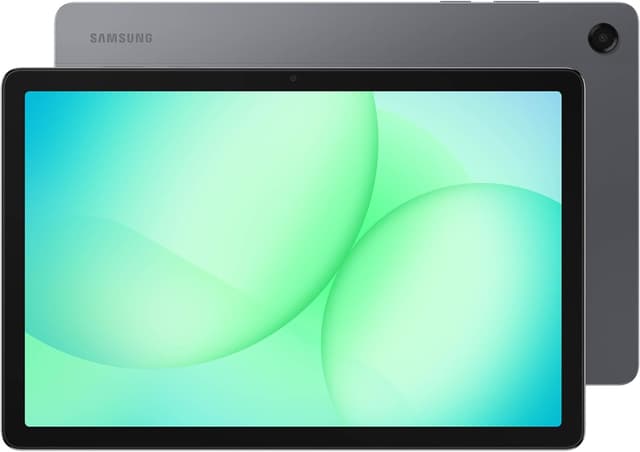
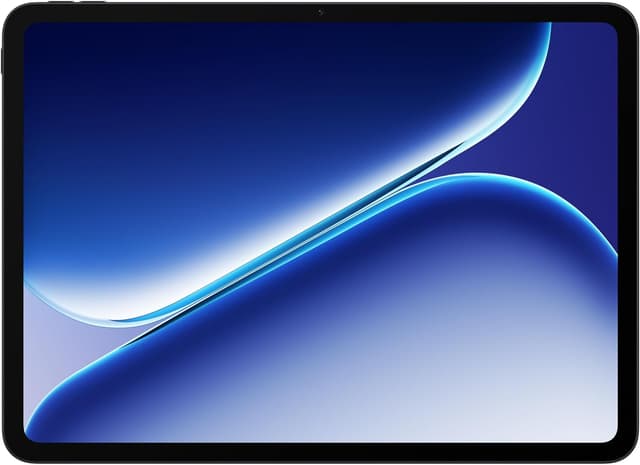
Longest-lasting tablet at 15+ hours mixed usage with 9,510mAh battery. 20+ hours video playback, 4-5 days light use. Budget specs enable exceptional efficiency.
All-day battery for travel.
We may earn a commission when you buy through our links.

Longest-lasting tablet at 15+ hours mixed usage with 9,510mAh battery. 20+ hours video playback, 4-5 days light use. Budget specs enable exceptional efficiency.

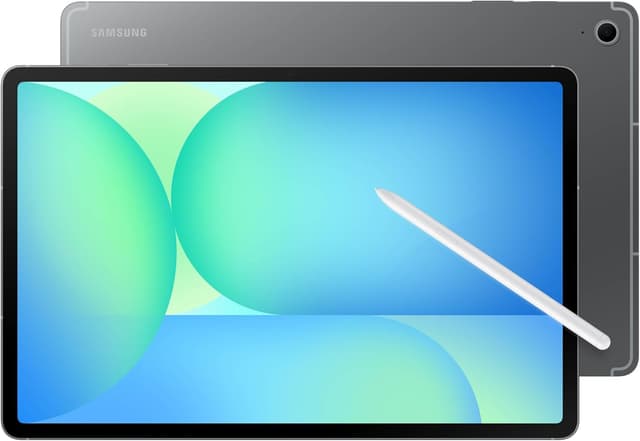
IP68 water resistant with 10,090mAh delivering 14-16 hours. S Pen included, 13.1" screen, 7 years of updates, now discounted to $434.

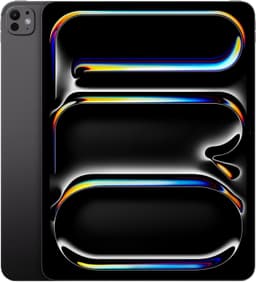
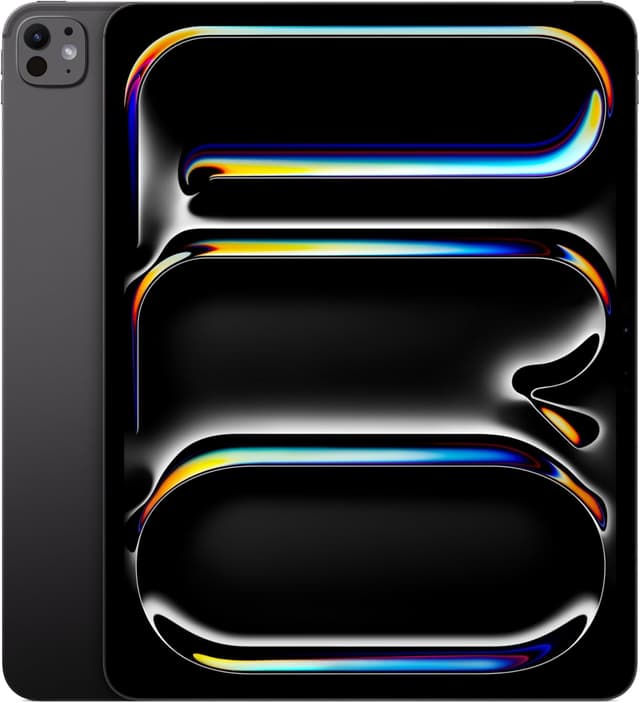
Best battery in premium category at 10-11 hours despite M5 power. 38.99Wh battery with 50% charge in 30 minutes. Variable 10-120Hz refresh conserves power.

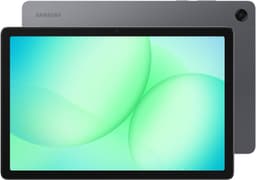
2026 successor to the Tab A9+, carrying over the same 7,040mAh battery for all-day use in a more power-efficient 4nm chipset, plus 7 years of promised updates and a starting price around $229.
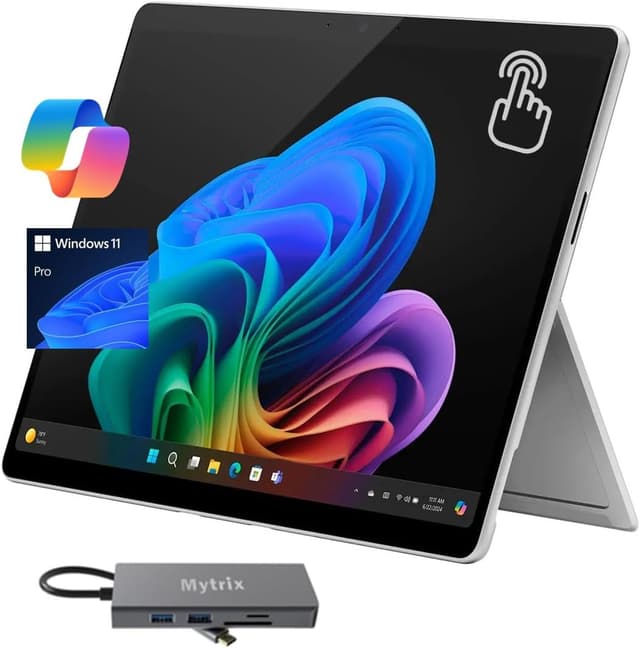
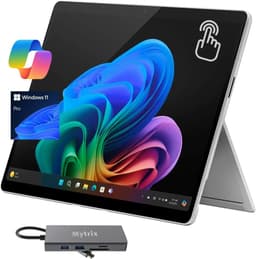
With Microsoft's entire budget Surface Go line discontinued in 2026, the best Windows tablet battery life now comes from the Surface Pro 11's Snapdragon X Plus ARM chip: 14+ hours real-world versus the old Go 3's 10-11 hours.
| Product | Battery Life · 40% | Efficiency · 25% | Charging Speed · 15% | Battery Capacity · 10% | Value · 10% | Score | Price |
|---|---|---|---|---|---|---|---|
1OnePlus Pad Go 2 | 10 | 10 | 8 | 10 | 10 | 9.7 | $320 |
2Samsung Galaxy Tab S10 FE+ | 10 | 8 | 8 | 10 | 9.5 | 9.1 | $434 |
3Apple iPad Pro 13" (M5) | 9 | 10 | 9 | 9 | 7.3 | 9.1 | $1199 |
4Samsung Galaxy Tab A11+ | 9 | 9.2 | 7 | 8 | 9.8 | 8.7 | $229 |
5Microsoft Surface Pro 11 | 8.7 | 8.5 | 7 | 7.5 | 6.5 | 8.1 | — |
| #1 | #2 | #3 | #4 | #5 | |
|---|---|---|---|---|---|
| Product | ![]() | ![]() | ![]() | ![]() | |
| Brand | OnePlus | Samsung | Apple | Samsung | Microsoft |
| Display | 11.35" LCD, 2408×1720, 60Hz | 13.1" LCD, 2560×1600, 90Hz | 13" Ultra Retina XDR, 2752×2064, 120Hz OLED | 11" LCD, 90Hz | 13" PixelSense, 2880×1920, 120Hz |
| Processor | MediaTek Helio G99 | Exynos 1480 | M5 (10-core CPU, 10-core GPU) | Octa-Core (4nm) | Snapdragon X Plus (10-core) |
| RAM | 4GB/8GB | 8GB/12GB | 12GB (16GB with 1TB+) | 8GB | 16GB |
| Storage | 64GB/128GB | 128GB/256GB + microSD | 256GB-2TB | 256GB + microSD | 512GB SSD |
| Battery | 9510mAh, 15+ hours | 10,090mAh, 14-16 hours | 38.99Wh, 10-11 hours | 7040mAh, all-day | Up to 14 hours |
| Weight | 532g | 700g | 579g | 477g | 895g |
| Price | $320 | $434 | $1199 | $229 | — |
Don't shop by mAh alone — a tablet's rated battery capacity tells you almost nothing on its own, because runtime depends on how efficiently the chip and display use that capacity. A 7,000mAh battery paired with an efficient low-power chip and an LCD panel can easily outlast a 10,000mAh battery driving a power-hungry processor and a high-refresh OLED screen at full brightness. Compare tablets on independently reported mixed-usage hours (a blend of browsing, video, and light apps), not the marketing spec sheet, and be skeptical of "up to X hours" claims that assume minimum brightness and airplane mode. Screen technology matters more than most buyers expect: variable refresh-rate OLED panels (dropping to 10Hz when static) sip power at idle but can draw heavily during video or gaming, while a well-tuned LCD at a fixed 60Hz is sometimes the more predictable choice for pure endurance. Charging speed is a real cost-of-ownership factor too — a tablet that fast-charges to 50% in 30 minutes is far more forgiving of a missed overnight charge than one that needs 2+ hours for a full top-up, and repeated fast-charging cycles do wear a battery faster over 2-3 years, so weigh daily convenience against long-term capacity loss. Ecosystem compatibility is the most common mistake buyers make in this category: choosing purely on battery specs and then discovering the tablet's OS doesn't support a needed app, accessory, or file-syncing workflow. Confirm stylus and keyboard-case availability, cloud storage integration, and how many years of OS/security updates the manufacturer commits to — a tablet with excellent battery life but a short update window will need replacing sooner, which is the real cost of ownership. Budget tablets can match or beat premium battery life because they're driving less demanding hardware, so if all-day runtime is the single priority, don't assume the most expensive option wins. Also watch for platform discontinuations: a battery leader on a product line the manufacturer has since abandoned (no security updates, no successor) is a worse long-term buy than a slightly shorter-lived tablet still receiving support.
Battery rankings based on real-world mixed-usage results reported by independent reviewers, not manufacturer claims. Efficiency, fast charging capability, and battery capacity weighted alongside raw endurance.
Hours
Processor efficiency
Fast charging
mAh
Battery per dollar