We may earn a commission when you buy through our links. Prices and availability shown are accurate as of Aug 26, 2026 and are subject to change; the merchant's price at purchase applies.
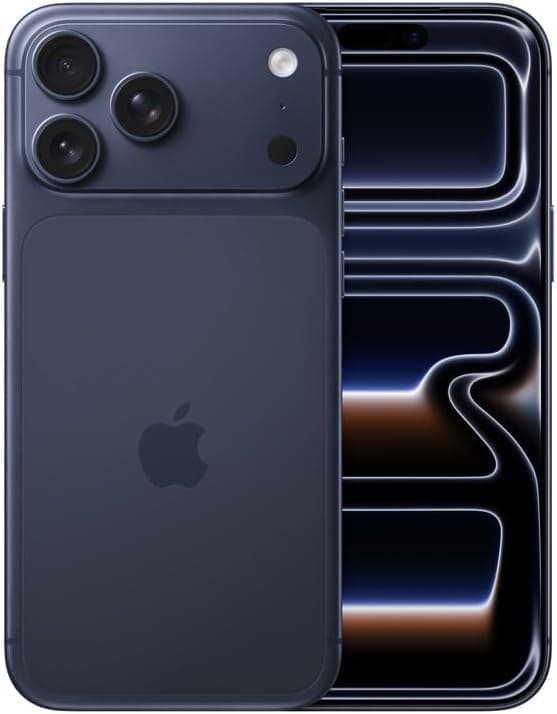
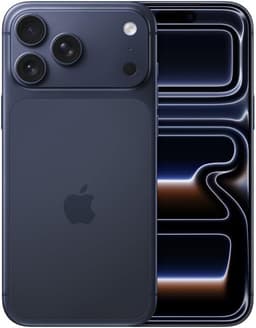
TechRadar 'Best camera phone you can buy.' Lifelike colors, rich detail, industry-leading 4K 120fps video with zero dropped frames. Triple 48MP system with 5x telephoto dominates.
Best-in-class video recording4K 120fps smooth captureZero shutter lag$1,199+ premium price12GB RAM less than Android
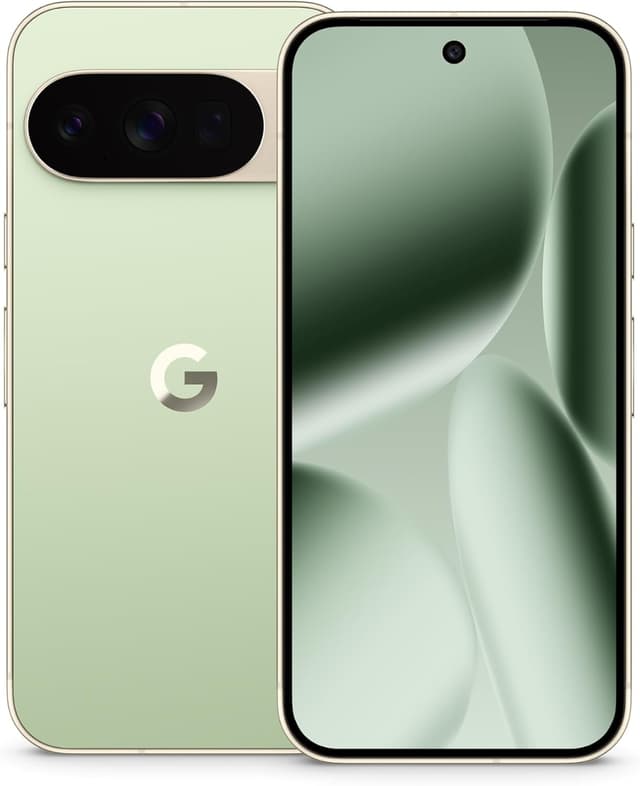
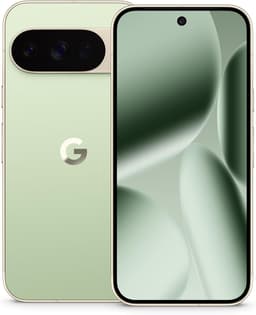
AI photography master with Camera Coach real-time guidance, 100x Pro Res Zoom, and best-in-class portrait mode. In side-by-side samples against the Galaxy S26 Ultra, PhoneArena found the Pixel produces the more technically accurate image — which is why it stays ahead of Samsung here.
100x Pro Res ZoomCamera Coach AI guidanceBest portrait mode$1,099 flagship priceTensor efficiency concerns
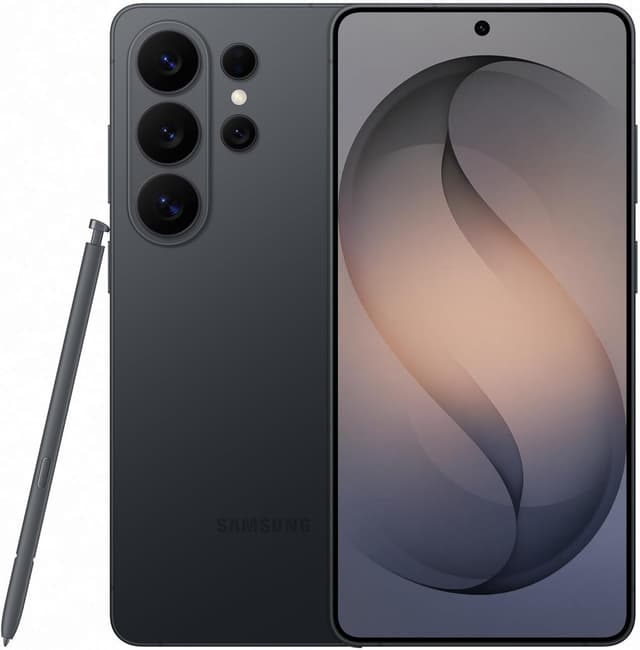
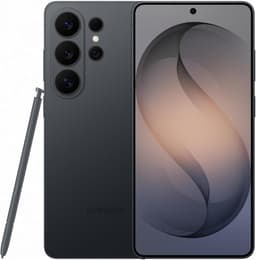
The S26 Ultra's 200MP main sensor gains a wider f/1.4 aperture that gathers 47% more light, and Tom's Guide found low-light photos and video noticeably improved over the S25 Ultra. Dual telephotos (5x + 3x), 100x Space Zoom, 8K video, and new Horizon Lock stabilization make it the most versatile kit here — only the Pixel's stills processing keeps it from second.
200MP main camera now f/1.4 — 47% more light for low-light shotsPrivacy Display blocks side-angle viewing, first on any phoneBuilt-in S Pen and DeX desktop mode$1,299 list price with pricier storage upgradesStill 5,000mAh — no silicon-carbon battery like OnePlus and OPPO
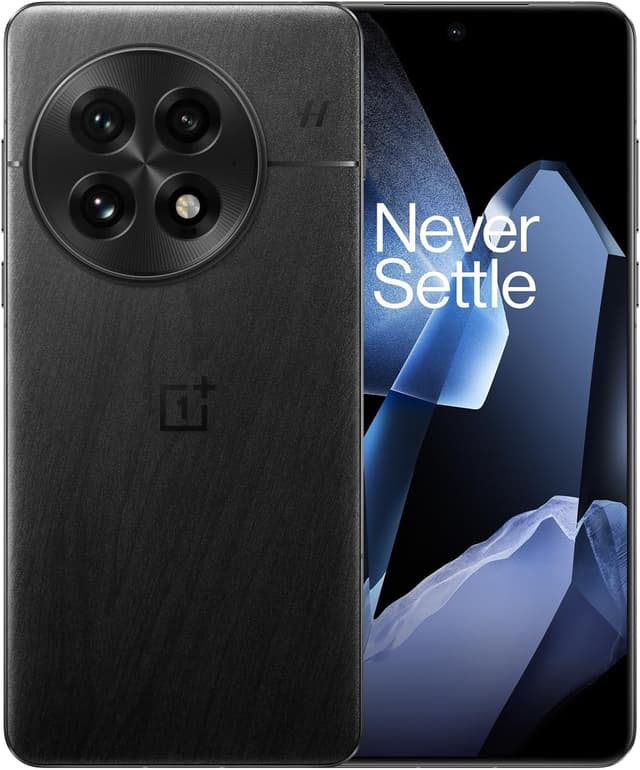
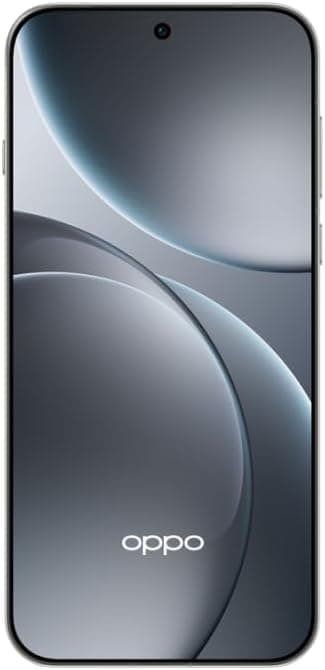
Hasselblad-tuned triple 50MP system with Sony LYT-808 1/1.4" main sensor delivers natural colors and excellent low-light performance, plus 4K Dolby Vision video on all cameras. It stays in this list over the newer OnePlus 15, which dropped Hasselblad tuning and moved to smaller sensors — reviewers found no generational camera improvement.
Hasselblad color science on all camerasSony LYT-808 1/1.4" main sensor4K Dolby Vision video on all cameras3x zoom modest vs 5x competitorsColor saturation inconsistency in low light
Sensor size matters more than megapixel count. A larger main sensor gathers more light per pixel, which is why a 50MP sensor on a modern flagship can outresolve an older 108MP sensor in real shooting conditions, especially indoors or at dusk. Treat the megapixel number on a spec sheet as a marketing figure, not a quality guarantee, and look instead for the physical sensor size (often listed in inches, like 1/1.3" or 1-inch) and the aperture (a lower f-number lets in more light). Zoom range needs the same scrutiny: a phone's headline "30x" or "100x" zoom is almost always digital/AI upscaling past a much shorter native optical range, typically 3x-5x on a dedicated telephoto lens. Optical zoom preserves real detail; anything beyond it is interpolated and loses fine texture, so judge a phone's zoom claims by its optical range, not its marketing multiplier, if long-distance detail matters to you. Low-light and night-mode performance is where computational photography does the most real work — multi-frame stacking, AI noise reduction, and sensor-shift stabilization can turn a mediocre sensor into a strong low-light performer, so read independent night-mode comparisons rather than assuming a bigger sensor always wins after dark. For video, check for optical (not just digital or electronic) stabilization, 4K at 60fps as a baseline, and whether the phone offers a log color profile or manual controls if you plan to edit footage seriously — casual users can ignore this and prioritize stabilized, well-exposed auto video instead. Storage and RAW shooting go together: RAW files run 20-40MB each versus a few MB for compressed JPEG/HEIC, so a photography-focused phone benefits from at least 256GB of storage if you shoot RAW regularly, since cloud backup alone won't keep pace on a data-capped plan. The most common buying mistake is chasing the highest megapixel or zoom number on the spec sheet while ignoring computational processing quality, which independent reviewers can evaluate but a spec sheet cannot — cross-check sample photos and video from a few independent reviewers before deciding, especially in your actual lighting conditions of interest (indoor, night, backlit).
Camera rankings based on expert reviews from TechRadar, DxOMark, and real-world owner feedback. We evaluate still photo quality, video capabilities, zoom range, and AI features.
iPhone 17 Pro Max for video and consistent point-and-shoot results. Pixel 10 Pro XL for AI-enhanced stills, portraits, and computational photography magic. Both are excellent—choose your priority.
Is the 200MP sensor on Samsung actually better?
More megapixels don't automatically mean better photos. Samsung's 200MP excels at cropping flexibility and detail retention, but iPhone and Pixel often produce more pleasing images through superior processing.