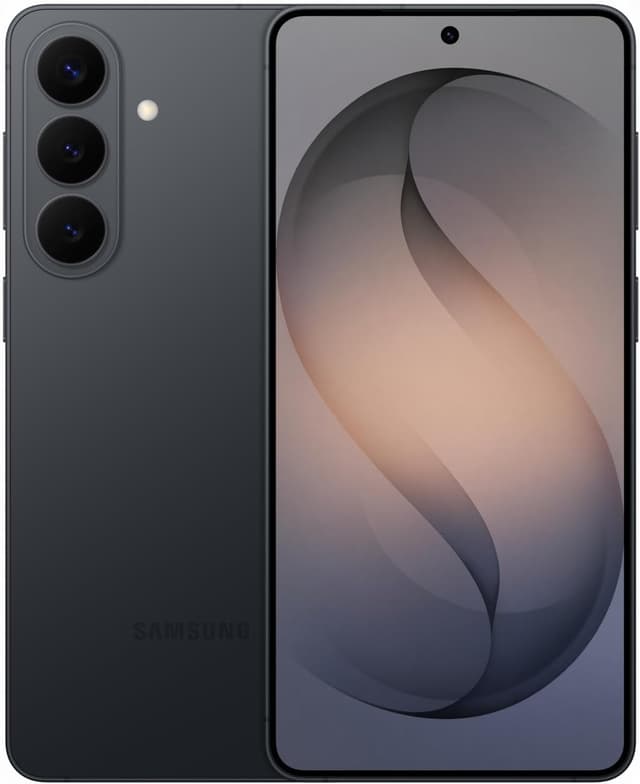
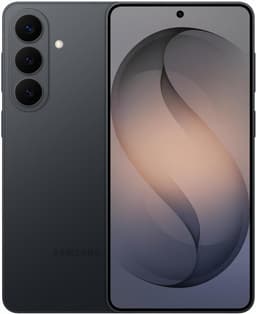
The smallest-footprint Android flagship of 2026: 71.7mm wide, 7.2mm thin, and 167g, thinner and lighter than every rival here. The bigger 4,300mAh battery fixes the S25's main weakness (GSMArena scored it 15:20h active use, a significant jump), with full Snapdragon 8 Elite Gen 5 power and 7 years of updates.
71.7mm width and 167g for true one-handed use7.2mm, far thinner than iPhone 17 Pro (8.8mm) and Pixel 10 Pro (8.6mm)Snapdragon 8 Elite Gen 5 flagship performance25W charging unchanged and slow for 202610MP 3x telephoto carried over again
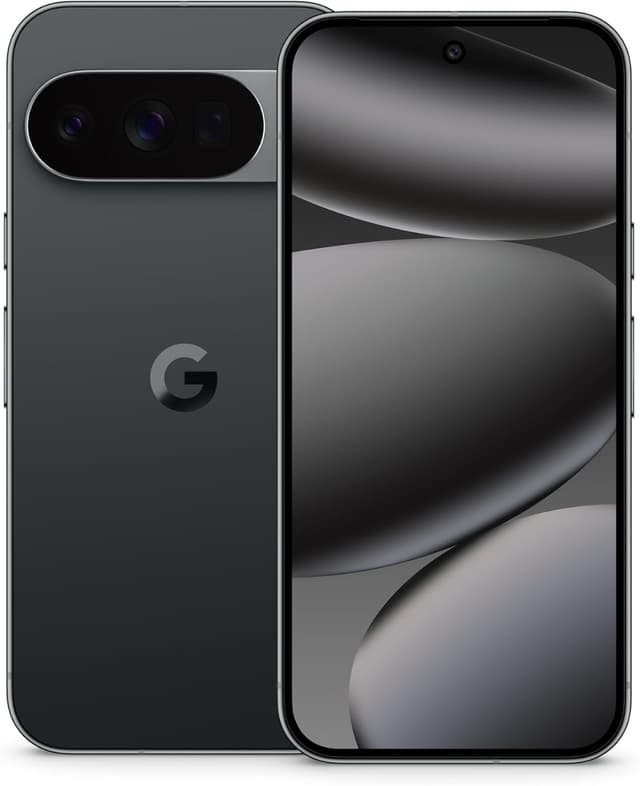
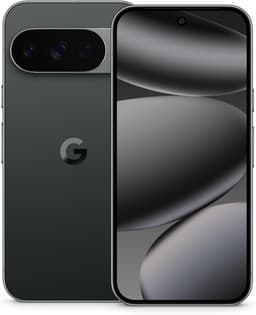
Compact photography powerhouse at 6.3" with full flagship Pixel camera system including Camera Coach and 100x zoom. Manageable one-handed size with pro capabilities.
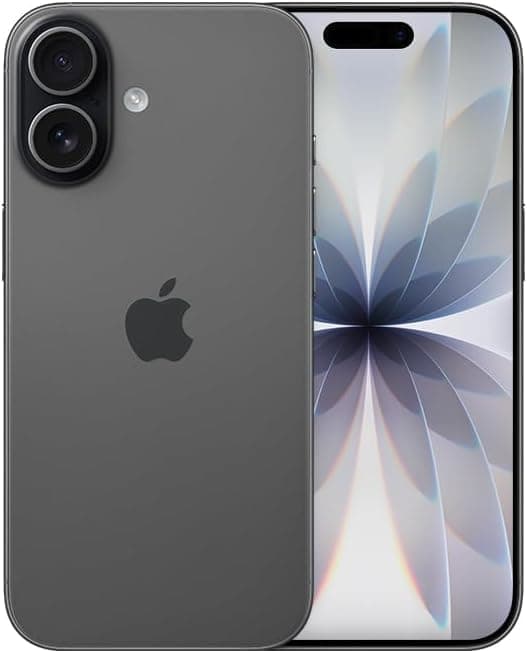
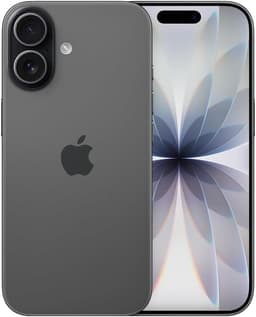
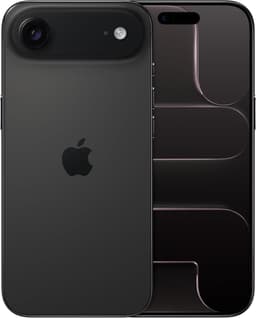
Apple's compact flagship with 6.3" display, finally 120Hz ProMotion on base model, A19 Bionic, and thinner bezels. More screen in similar footprint to iPhone 16.
120Hz ProMotion finally128GB base doubledA19 Bionic$799 priceNo telephoto
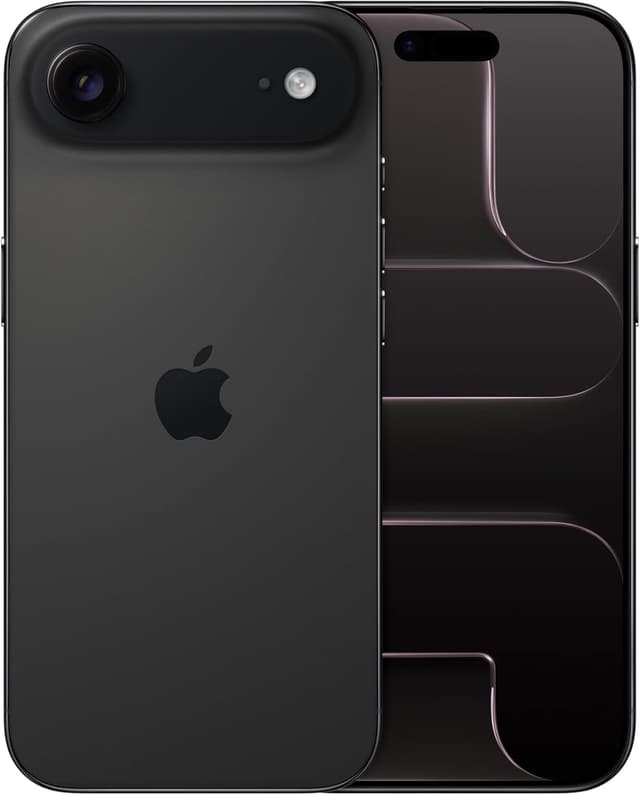
A 5.5mm thinness and 165g weight make it the lightest 6.5" flagship ever. Premium titanium build makes 6.5" feel compact. For those who prioritize portability above all.
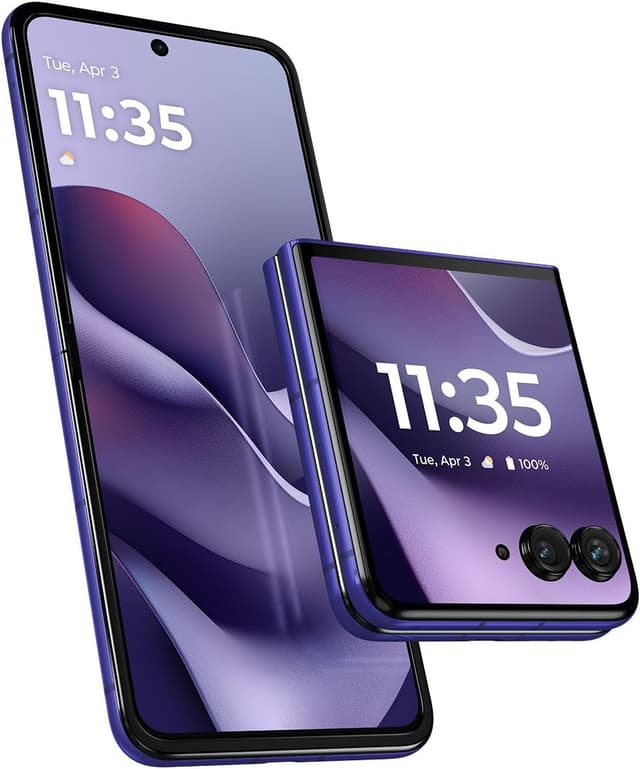
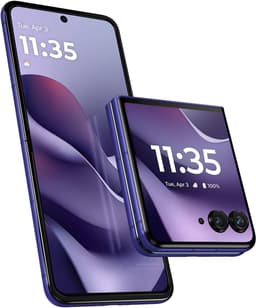
A pocket-sized foldable at 88.1 x 74mm when folded, it fits anywhere. Opens to a 7.0" 165Hz display, and the 5,000mAh battery (largest in any flip phone, with 68W charging) finally addresses the flip-phone endurance problem that held its predecessor back.
Ultra-compact 88.1 x 74mm when folded7.0" 165Hz main display at 5,000 nits peak5,000mAh (largest flip-phone battery, claimed 36 hours)$1,439+ premium pricingIP48, with less dust protection than IP68 slab phones
Compact is a moving target: what passed for a small phone in 2020 (5.4 inches) would be considered tiny today, and this list's roughly-under-6.3-inch cutoff reflects how flagship screens have grown. Start with your actual hand size and how you use a phone rather than the headline screen number: a 6.3-inch phone with slim bezels and a tall aspect ratio can reach corner to corner more easily than a 6.1-inch phone with a squarer, wider body, so check width and weight specs directly (anything under roughly 170g and 72mm wide is genuinely one-handed) rather than trusting diagonal inches alone. Compatibility is the most overlooked factor in this category: compact phones sell in far lower volume than their oversized siblings, so the case and accessory ecosystem thins out faster, and a foldable like the Razr Ultra narrows it further since folding phones need a hinge-specific case rather than a generic shell. Search for the exact model's case and screen-protector selection before buying, not just the phone family's. Cost of ownership diverges sharply within this category too: a slab flagship like the Galaxy S26 or iPhone 17 carries the same multi-year update and battery-degradation profile as its larger sibling, but a foldable adds a mechanical hinge that is the single most common failure point after the first year or two, and out-of-warranty hinge repairs typically run into the hundreds of dollars, so budget for that risk if you're prioritizing pocketability over long-term durability. Battery life is the recurring trade-off of the category: fitting flagship silicon into a smaller chassis leaves less room for cell capacity, so compact phones routinely trail their standard-size counterparts in real-world screen-on time, foldables worse still, since a hinge takes up space a battery could otherwise occupy. The most common buying mistake is choosing on screen size or brand alone and only discovering the weight, grip, or one-handed reach does not suit you after the return window closes, so test the physical unit in a store if you can before ordering online. Finally, weigh camera and memory trade-offs directly: some compact variants drop a telephoto lens or ship less RAM than their Ultra or Pro Max counterparts to hit a smaller footprint, so confirm the specific configuration of the compact model itself rather than assuming it matches its larger sibling's spec sheet.
Compact rankings prioritize physical dimensions, weight, and one-handed usability while maintaining flagship-level performance and features. We score published specifications, independent expert reviews, and verified owner feedback.
The Samsung Galaxy S26 has the smallest footprint of any current Android flagship at 71.7mm wide, 7.2mm thick, and 167g. For something even more pocketable, the Motorola Razr Ultra 2026 folds down to 88.1 x 74mm, shorter than any traditional phone.
Do compact phones have worse battery?
Generally yes: smaller bodies mean smaller batteries. Galaxy S26 (4,300mAh) and iPhone Air (4,200mAh) last a full day but can't match 7,000mAh giants. Fast charging helps compensate.