Skip to content
Top 5 · Smartphones

Top 5 Best Battery Life Phones 2026

Exceptional battery life.

Updated July 18, 20265 rankedNo paid placements

We may earn a commission when you buy through our links. Prices and availability shown are accurate as of Jul 18, 2026 and are subject to change; the merchant's price at purchase applies.

Full rankings

1
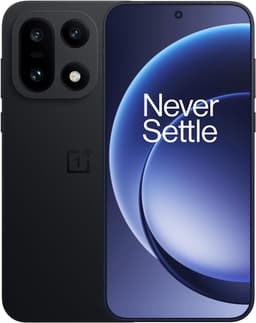
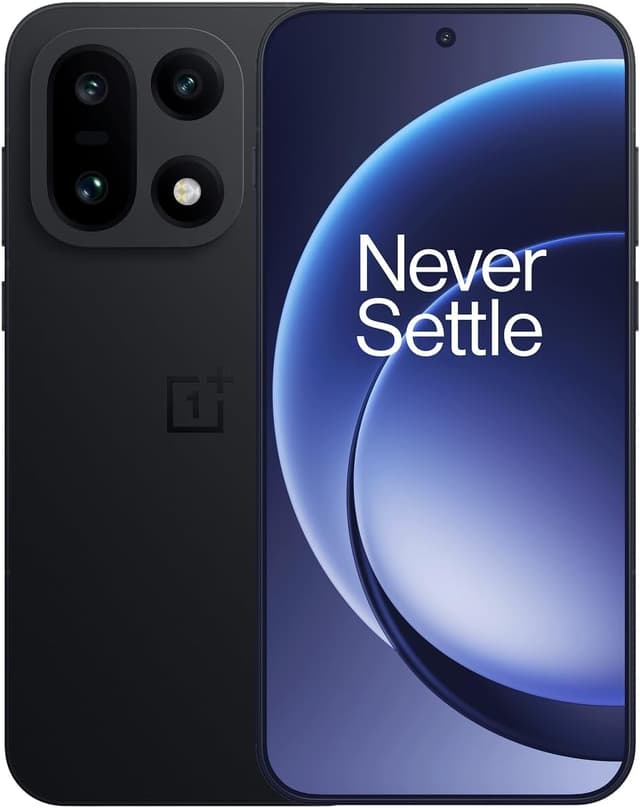
OnePlus 15 - Ranked #1 Battery Life Phones
Best overall

OnePlus 15

Tom's Guide battery king at 25 hours 13 minutes—longest ever tested in US. First phone with genuine 2-day battery life using 7,300mAh silicon-carbon technology. 100W charging fills in 25 minutes.

25+ hours longest tested7,300mAh silicon-carbon100W full charge 25 minsLarge phoneNo telephoto
2
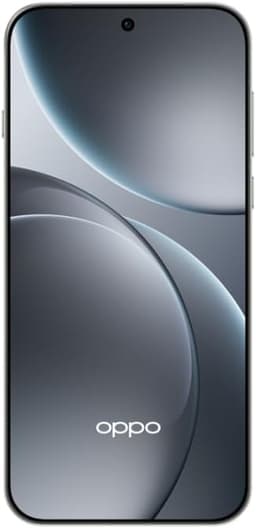
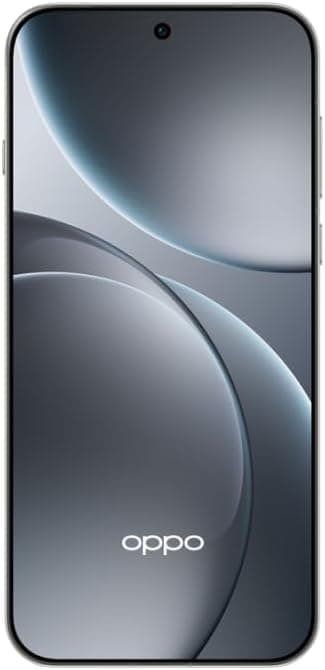
OPPO Find X9 Pro - Ranked #2 Battery Life Phones
Best premium

OPPO Find X9 Pro

7,500mAh silicon-carbon battery delivers comfortable 2-day usage. 100W SuperVOOC fast charging plus 50W wireless. Bonus: exceptional 200MP telephoto camera.

200MP 6x telephoto best zoom7,500mAh two-day batteryHasselblad color scienceGlobal availability variesColorOS software
3
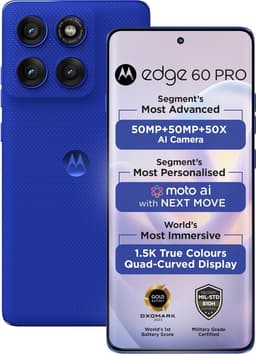
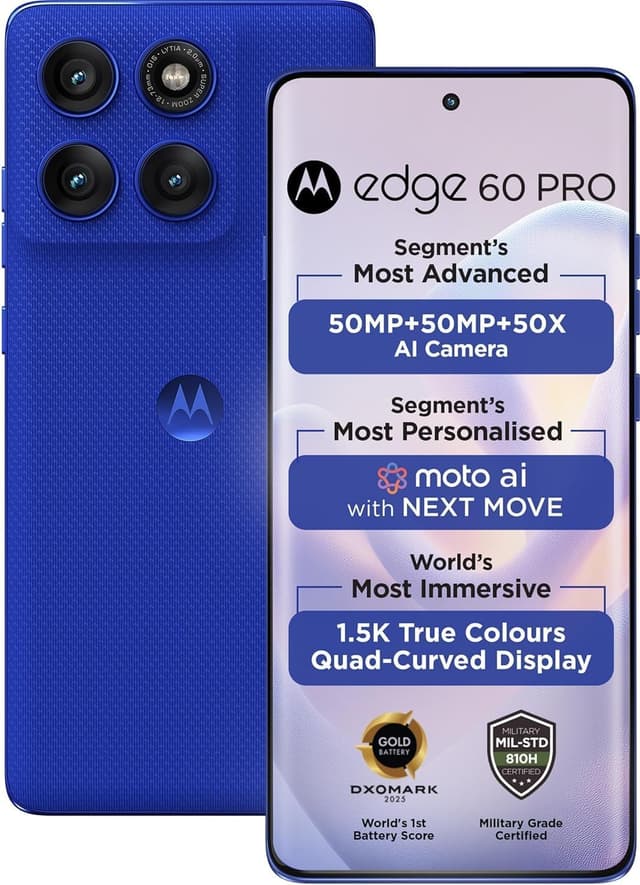
Motorola Edge 60 Pro - Ranked #3 Battery Life Phones
Best budget

Motorola Edge 60 Pro

Mid-range battery beast with 5,500mAh and efficient Dimensity 9400e. 90W fast charging fills in under 45 minutes. Excellent battery at accessible $599 pricing.

5,500mAh large battery90W fast charging144Hz OLED displayMediaTek not SnapdragonBasic telephoto
4
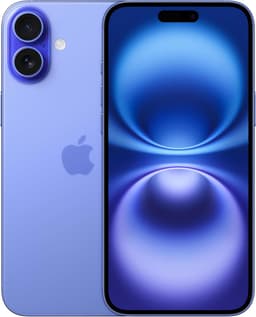
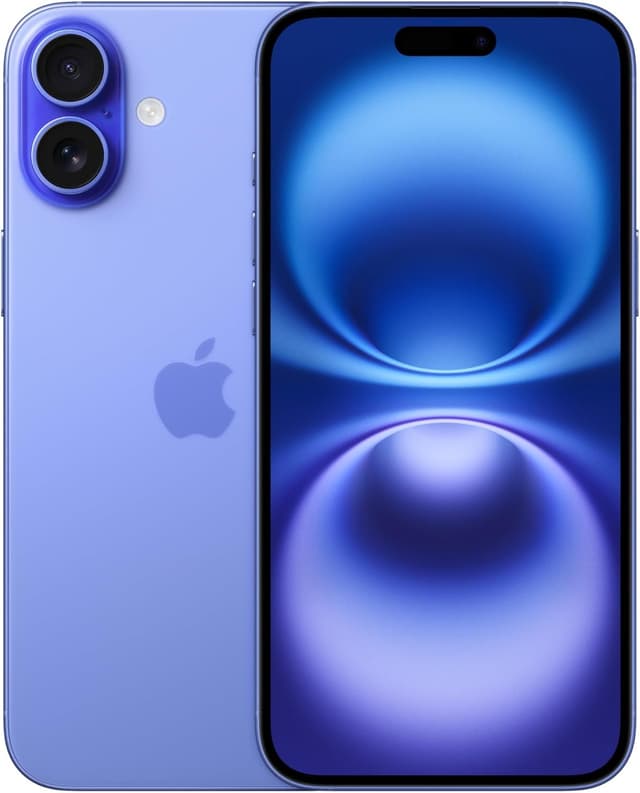
Apple iPhone 16 Plus - Ranked #4 Battery Life Phones
Best value

Apple iPhone 16 Plus

Among the longest-lasting iPhones in independent testing — the newer iPhone 17 Pro Max now edges it out, but at hundreds of dollars more. 4,700mAh (largest non-Max) with the efficient A18 Bionic delivers 18-20 hours of mixed use. Best iOS battery value.

18-20 hours mixed-use battery life4,700mAh largest non-MaxA18 Bionic efficient60Hz display no ProMotionOlder design vs iPhone 17
5
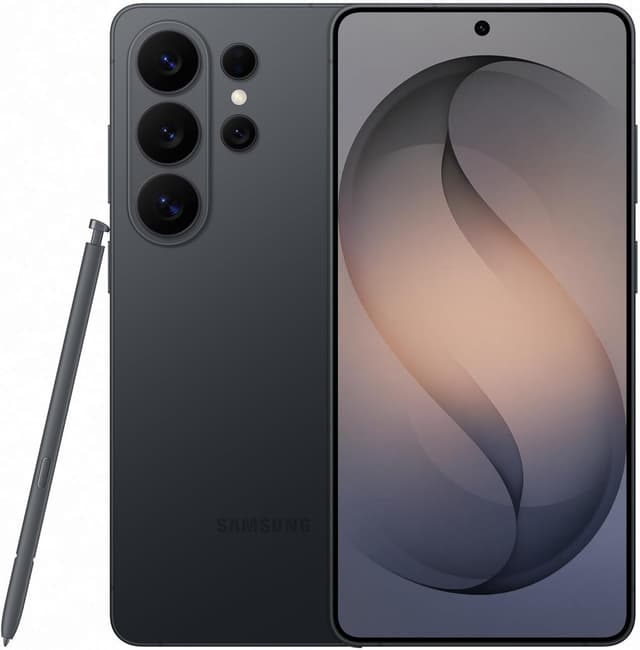
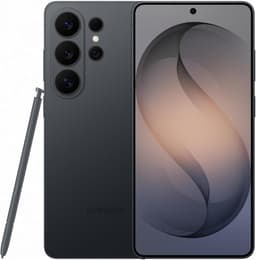
Samsung Galaxy S26 Ultra - Ranked #5 Battery Life Phones

Samsung Galaxy S26 Ultra

Tom's Guide measured 16 hours 10 minutes — over two hours longer than the Galaxy S25 Ultra from the same 5,000mAh cell, thanks to Snapdragon 8 Elite Gen 5 efficiency — and wired charging jumps from 45W to 60W. It trails the silicon-carbon phones above because Samsung hasn't adopted the higher-density battery tech yet.

200MP main camera now f/1.4 — 47% more light for low-light shotsPrivacy Display blocks side-angle viewing, first on any phoneBuilt-in S Pen and DeX desktop mode$1,299 list price with pricier storage upgradesStill 5,000mAh — no silicon-carbon battery like OnePlus and OPPO
Side by side

How they scored

ProductBattery Life · 40%Battery Capacity · 20%Charging Speed · 20%Efficiency · 10%Value · 10%ScorePrice
1OnePlus 15
1010109109.9$899
2OPPO Find X9 Pro
101010989.7$1099
3Motorola Edge 60 Pro
9998109.0$599
4Apple iPhone 16 Plus
9861098.3$609
5Samsung Galaxy S26 Ultra
888978.0$1030

Specs Comparison

#1#2#3#4#5
Product
OnePlus 15 specs - Top 5 Battery Life Phones
OnePlus 15
OPPO Find X9 Pro specs - Top 5 Battery Life Phones
OPPO Find X9 Pro
Motorola Edge 60 Pro specs - Top 5 Battery Life Phones
Motorola Edge 60 Pro
Apple iPhone 16 Plus specs - Top 5 Battery Life Phones
Apple iPhone 16 Plus
Samsung Galaxy S26 Ultra specs - Top 5 Battery Life Phones
Samsung Galaxy S26 Ultra
BrandOnePlusOPPOMotorolaAppleSamsung
Display6.78" LTPO AMOLED, 2780x1264, 120Hz6.78" LTPO AMOLED, 2780x1264, 120Hz, 3500 nits6.7" OLED, 2712x1220, 144Hz6.7" Super Retina XDR, 2796x1290, 60Hz6.9" Dynamic AMOLED 2X, 3120x1440, 120Hz
ProcessorSnapdragon 8 EliteMediaTek Dimensity 9500MediaTek Dimensity 9400eA18 BionicSnapdragon 8 Elite Gen 5 for Galaxy
RAM12GB/16GB16GB12GB8GB12GB/16GB
Storage256GB/512GB256GB/512GB256GB128GB-512GB256GB-1TB
Battery7,300mAh Si-C, 100W wired, 50W wireless7,500mAh, 100W wired, 50W wireless5,500mAh, 90W charging4,700mAh5,000mAh, 60W wired, 25W wireless
Camera50MP triple system50MP main + 50MP ultrawide + 200MP 6x telephoto50MP triple system48MP dual system200MP f/1.4 main + 50MP ultrawide + 50MP 5x + 10MP 3x telephoto
Price$899$1099$599$609$1030
Our #1 pick
OnePlus 15
$899 at Amazon

How we ranked them

Battery capacity (mAh) is only half the story — real-world endurance depends just as much on chemistry and how efficiently the chip and display use every milliamp-hour. Newer silicon-carbon batteries pack more capacity into the same physical cell than older graphite designs, which is why some recent phones post longer runtimes without a larger, heavier battery. But a big cell paired with an inefficient chip or a power-hungry always-on display can still underperform a smaller battery in a well-optimized phone, so compare independently reported screen-on-time or mixed-usage hours rather than shopping by mAh alone. Display technology matters more than most buyers expect: variable refresh-rate OLED panels that drop to 1Hz when static sip power at idle, while some LCD and lower-end OLED panels draw more continuously — a real factor if you keep the screen on for reading, navigation, or video. Charging speed is a genuine cost-of-ownership consideration, not just convenience: fast wired charging (65W+) gets you back to a full day in minutes, but repeated fast charging generates more heat and accelerates capacity loss over 2-3 years of daily cycles, so a phone you fast-charge nightly may need a battery-health checkup or replacement sooner than one charged more gently overnight. Wireless charging is typically slower and less efficient than wired, useful for convenience but not for a quick top-up before heading out. The most common mistake buyers make in this category is fixating on the single mAh number printed on a spec sheet while ignoring 5G/network efficiency, background app behavior, and the manufacturer's software update commitment — a phone with excellent battery life today but a short security-update window will need replacing sooner, which is the real long-term cost. If all-day battery life is the top priority, also check whether the manufacturer publishes an official battery-health warranty (some guarantee capacity retention after a set number of charge cycles), since that protects your investment as the cell inevitably degrades with use.

Battery rankings based on standardized testing from Tom's Guide and real-world mixed-usage reports. We evaluate total endurance, charging speed, battery capacity, and efficiency.

Battery Life

Hours

40%
Battery Capacity

mAh

20%
Charging Speed

Wired and wireless

20%
Efficiency

Processor

10%
Value

Battery per dollar

10%
Learn more about how we rank

Questions, answered

Is silicon-carbon battery technology safe?
Yes. Silicon-carbon batteries are an evolution of lithium-ion, offering 30-50% higher energy density in the same physical size. They've been thoroughly tested and meet all safety standards.
Why doesn't iPhone have huge batteries like OnePlus?
Apple optimizes software/hardware integration for efficiency. The iPhone 16 Plus achieves 18-20 hours with 4,700mAh while OnePlus needs 7,300mAh for 25 hours. Different approaches, both effective.
Still deciding?

Compare them head-to-head