Best Chef's Knives 2026

Best chef's knives for home cooks and professionals.

Last updated: February 1, 20265 products tested

Our Top Picks

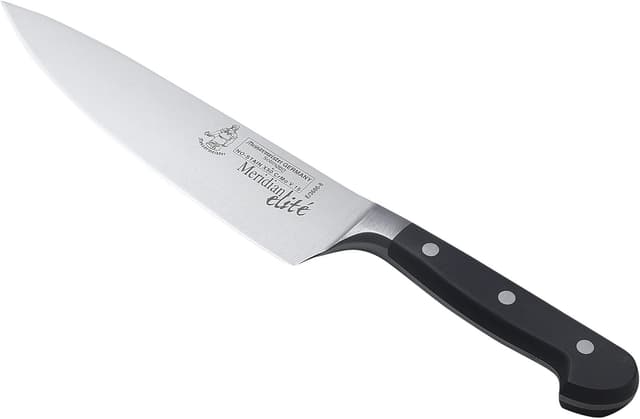
Best OverallMessermeister Meridian Elite 8-Inch Chef's Knife

Messermeister Meridian Elite 8-Inch Chef's Knife

Messermeister

View details →
Best PremiumMiyabi Kaizen II 8-Inch Gyutoh Chef's Knife

Miyabi Kaizen II 8-Inch Gyutoh Chef's Knife

Miyabi

View details →
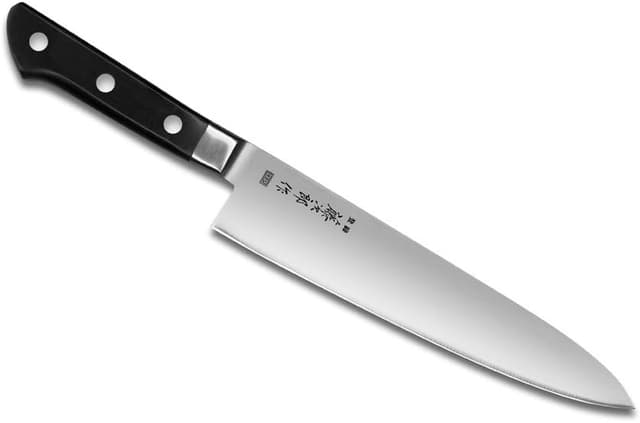
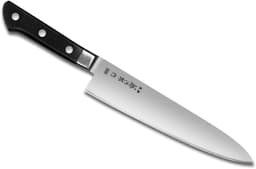
Best ValueTojiro DP Gyuto 8.2-Inch Chef's Knife

Tojiro DP Gyuto 8.2-Inch Chef's Knife

Tojiro

View details →
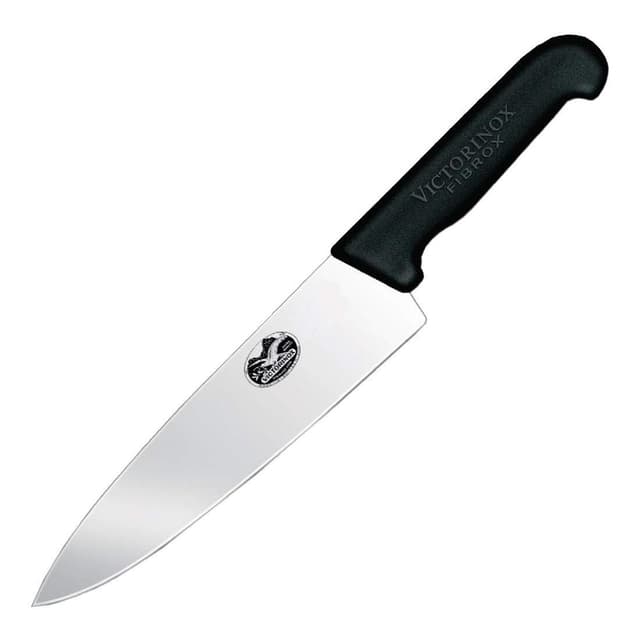
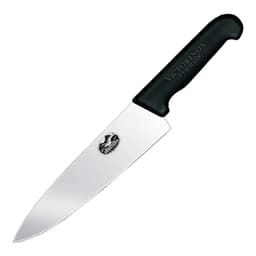
Best BudgetVictorinox Fibrox Pro 8-Inch Chef's Knife

Victorinox Fibrox Pro 8-Inch Chef's Knife

Victorinox

View details →

Full Rankings

#1
Messermeister Meridian Elite 8-Inch Chef's Knife

Messermeister Meridian Elite 8-Inch Chef's Knife

Best Overall

Hot-drop hammer forged in Solingen, Germany — 25% thinner and 10% lighter than traditional forged knives. Triple-rivet full tang with lifetime warranty.

Pros

  • Hot-drop hammer forged
  • 25% thinner blade than traditional
  • Triple-rivet full tang

Cons

  • Less brand recognition than Wüsthof
  • Requires regular honing
  • Traditional bolster design
#2
Miyabi Kaizen II 8-Inch Gyutoh Chef's Knife

Miyabi Kaizen II 8-Inch Gyutoh Chef's Knife

Best Premium

Japanese SG2 steel with stunning Damascus pattern. Razor sharp 9.5° edge meets German engineering.

Pros

  • Japanese SG2 steel (harder)
  • Stunning Damascus pattern
  • Razor sharp 9.5° edge

Cons

  • Very expensive
  • Requires careful use
  • Harder steel can chip
#3
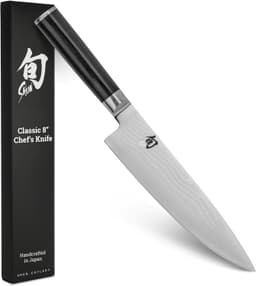
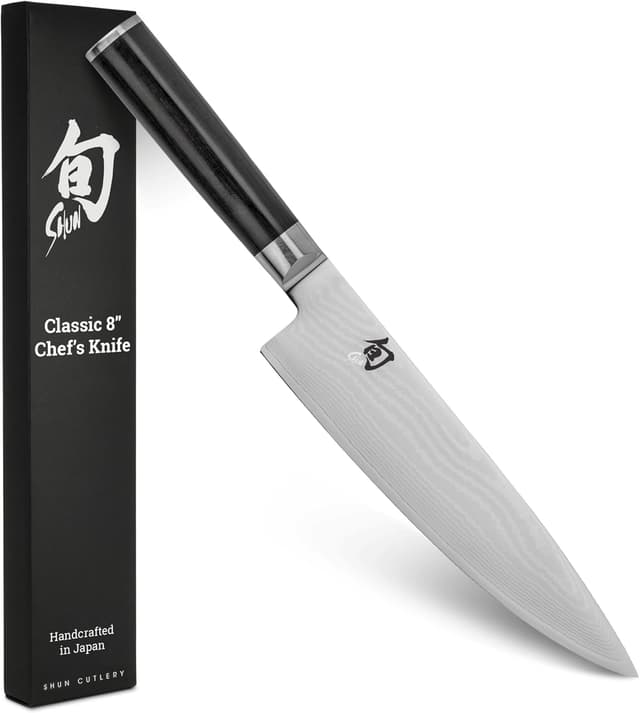
Shun Classic 8-Inch Chef's Knife

Shun Classic 8-Inch Chef's Knife

VG-MAX steel with 68 layers of Damascus cladding — razor-sharp 16° edge with stunning aesthetics. Handcrafted in Seki, Japan.

Pros

  • VG-MAX steel core (harder than VG-10)
  • 68-layer Damascus cladding
  • Razor-sharp 16° edge

Cons

  • Requires careful use
  • Harder steel can chip
  • Hand wash only
#4
Tojiro DP Gyuto 8.2-Inch Chef's Knife

Tojiro DP Gyuto 8.2-Inch Chef's Knife

Best Value

VG-10 steel at entry-level pricing—the gateway to quality Japanese knives. Amazing performance for the price.

Pros

  • VG-10 steel (excellent edge)
  • Great value for quality
  • 3-layer construction

Cons

  • Handle less refined
  • Fit and finish basic
  • Can rust if neglected
#5
Victorinox Fibrox Pro 8-Inch Chef's Knife

Victorinox Fibrox Pro 8-Inch Chef's Knife

Best Budget

Beats knives 5x its price in blind tests—America's Test Kitchen's pick for two decades. Unbeatable value.

Pros

  • Exceptional value
  • America's Test Kitchen pick
  • Sharp out of box

Cons

  • Stamped (not forged)
  • Requires frequent sharpening
  • Less heft

Score Comparison

Product
Sharpness
30%
Balance
25%
Build Quality
25%
Handle Comfort
10%
Value
10%
Weighted
Score
Price
#1Messermeister Meridian Elite 8-Inch Chef's Knife
91010999.50$169
#2Miyabi Kaizen II 8-Inch Gyutoh Chef's Knife
109101079.45$173
#3Shun Classic 8-Inch Chef's Knife
10910989.45$189
#4Tojiro DP Gyuto 8.2-Inch Chef's Knife
9878108.25$128
#5Victorinox Fibrox Pro 8-Inch Chef's Knife
8877107.85$50

Buying Guide

A quality chef's knife is the most important kitchen tool. Consider blade steel (German vs Japanese), blade length (8" is most versatile), weight balance, and handle comfort. Japanese knives are sharper but more delicate.

What We Evaluate

30%

Sharpness

Out-of-box and edge retention

25%

Balance

Weight distribution

25%

Build Quality

Steel and construction

10%

Handle Comfort

Ergonomics

10%

Value

Quality per dollar

Our Testing Methodology

We test chef's knives for out-of-box sharpness, edge retention over months, balance, handle comfort, and maintenance needs.

Learn more about how we test →

Frequently Asked Questions

German vs Japanese knives?
German knives are heavier, more durable, with softer steel that dulls faster but sharpens easily. Japanese are lighter, sharper, harder steel that chips easier.
8" vs 10" chef's knife?
8" is standard for home use—manageable size for most tasks. 10" is better for professionals or those with large cutting boards and hands.
How often should I sharpen?
Hone with steel before each use. Sharpen on whetstones every few months, or annually with professional sharpening. Japanese knives need less frequent sharpening.

Related Comparisons