Top 5 Best USB Microphones 2026

Plug-and-play microphones for streaming and podcasting.

Last updated: April 1, 20265 products tested

Our Top Picks

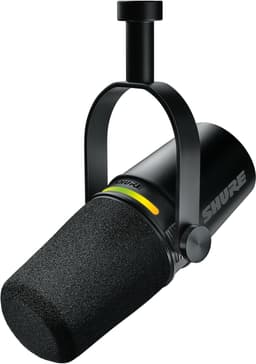
Best OverallShure MV7+ - Top 5 USB Microphones

Shure MV7+

Shure

View details →
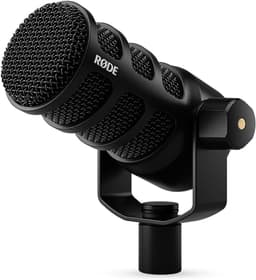
Best PremiumRODE PodMic USB - Top 5 USB Microphones

RODE PodMic USB

RODE

View details →
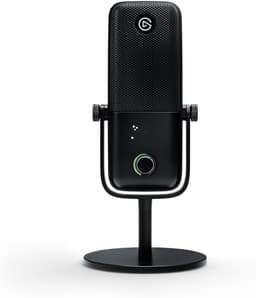
Best ValueElgato Wave:3 MK.2 - Top 5 USB Microphones

Elgato Wave:3 MK.2

Elgato

View details →
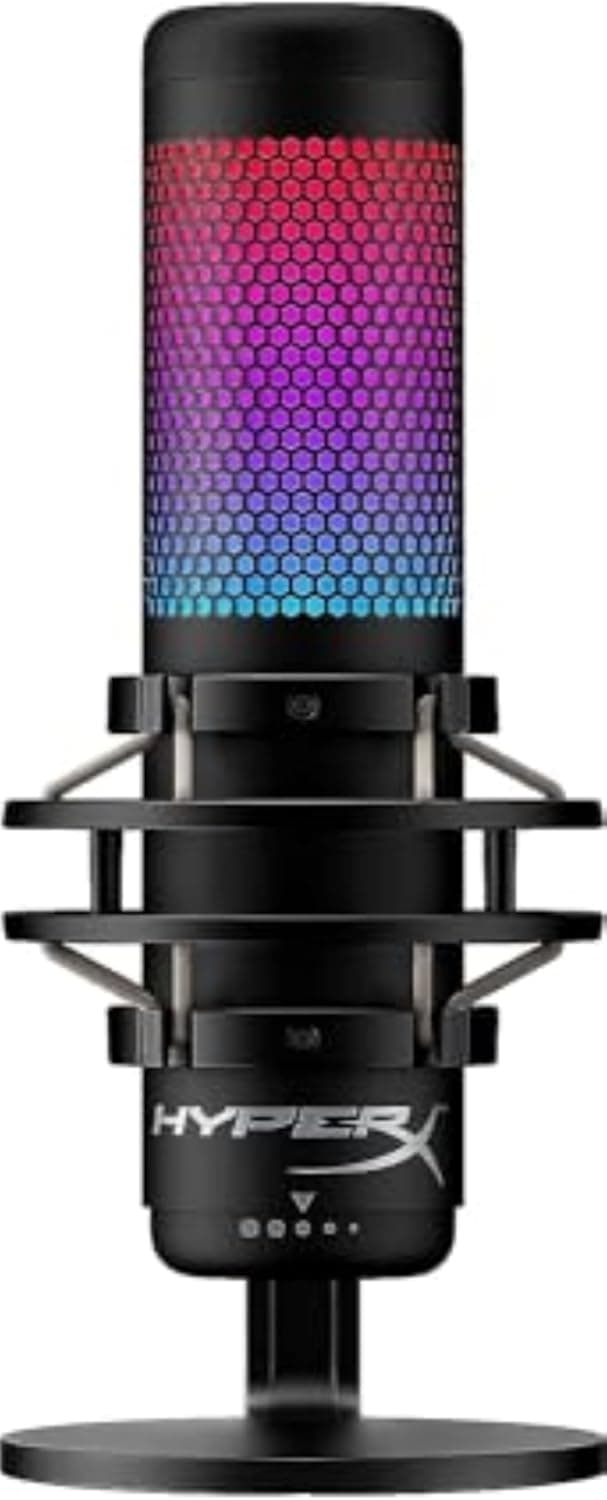
Best BudgetHyperX QuadCast S - Top 5 USB Microphones

HyperX QuadCast S

HyperX

View details →

Full Rankings

#1
Shure MV7+ - Ranked #1 USB Microphones

Shure MV7+

Best Overall

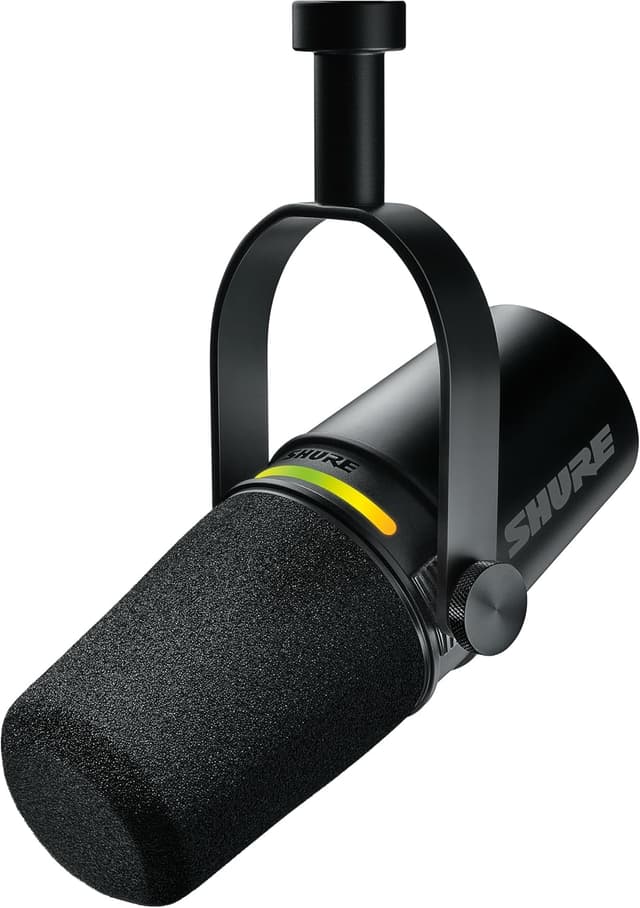
The most complete USB microphone package available. The MV7+ combines broadcast-quality dynamic audio, intelligent Auto Level Mode, real-time Denoiser, and hybrid USB-C/XLR connectivity. No other mic matches its combination of sound quality, smart features, and upgrade path.

Pros

  • Hybrid USB-C and XLR outputs for maximum flexibility
  • Auto Level Mode adjusts gain intelligently
  • Real-time Denoiser and Digital Pop Filter

Cons

  • Premium price at $299
  • Narrower frequency response (50Hz-16kHz) vs condensers
  • Cardioid only — no pattern switching
#2
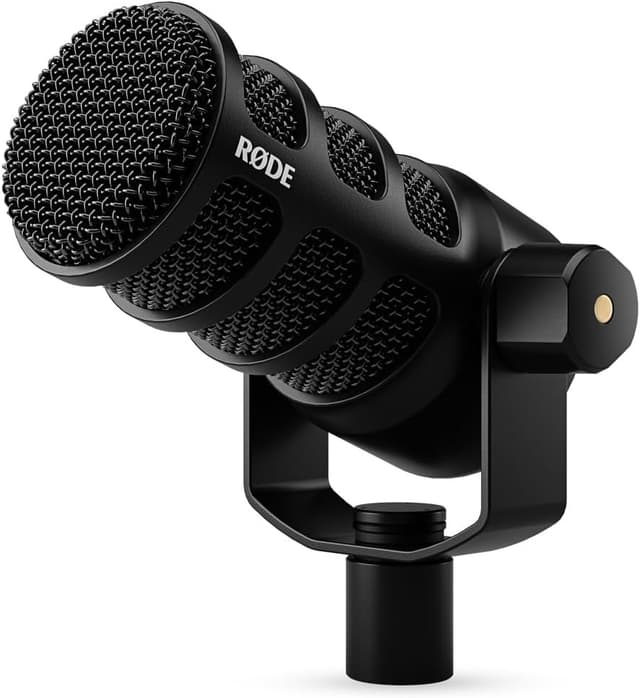
RODE PodMic USB - Ranked #2 USB Microphones

RODE PodMic USB

Best Premium

The richest, most broadcast-ready tone of any USB mic. RODE's legendary APHEX processing and tank-like all-metal build backed by a 5-year warranty make the PodMic USB a true long-term investment. Its XLR+USB dual connectivity future-proofs your setup.

Pros

  • Dual USB-C and XLR connectivity
  • APHEX DSP with Aural Exciter and Big Bottom
  • Built-in pop filter and internal shock mount

Cons

  • Heavy at 900g — needs a sturdy boom arm
  • Higher price for a dynamic USB mic
  • Cardioid only
#3
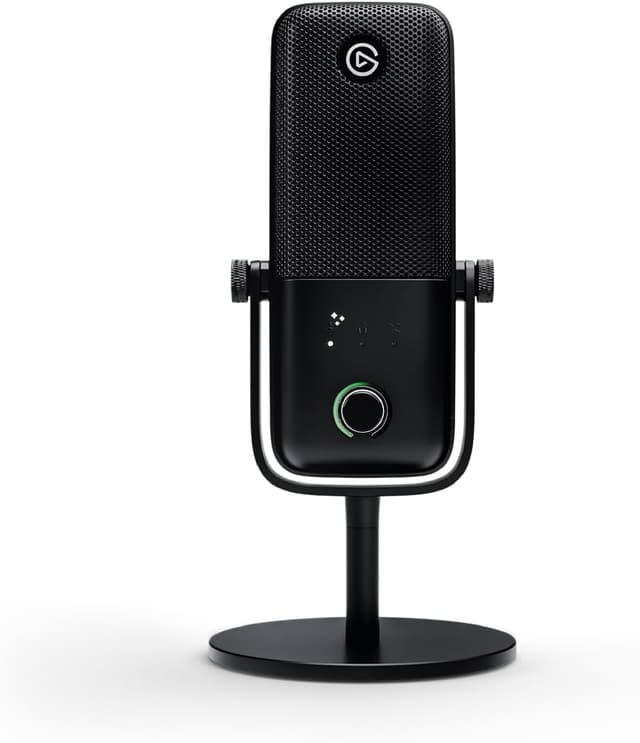
Elgato Wave:3 MK.2 - Ranked #3 USB Microphones

Elgato Wave:3 MK.2

Best Value

Purpose-built for streamers with Clipguard 2.0 anti-distortion technology and Wave Link mixing software. No other USB mic offers this level of streaming-specific software integration at $170. Set it and forget it — your audio will never clip.

Pros

  • Clipguard 2.0 makes audio clipping impossible
  • Wave FX Processor with onboard DSP and VST support
  • Wave Link software for digital mixing

Cons

  • Cardioid only
  • Condenser picks up more room noise than dynamic
  • Requires macOS 14.2+ or Windows 11+
#4
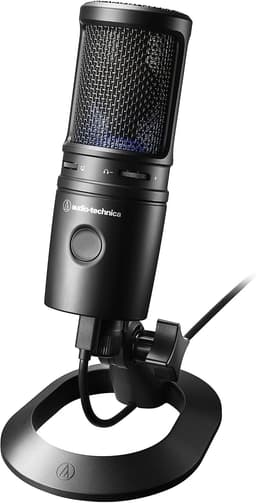
Audio-Technica AT2020USB-X - Ranked #4 USB Microphones

Audio-Technica AT2020USB-X

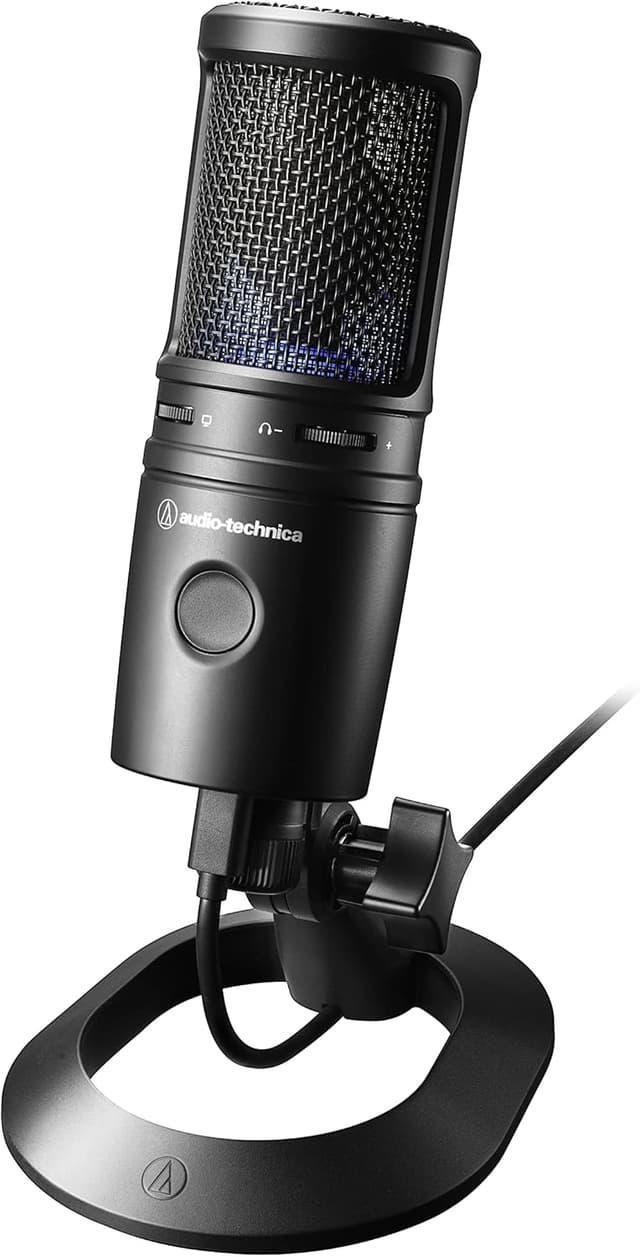
The highest recording resolution of any USB mic at 24-bit/96kHz, inheriting the legendary AT2020 capsule trusted by professionals worldwide. At $149, it delivers studio-grade clarity that punches well above its weight for vocal-focused content.

Pros

  • Industry-leading 24-bit/96kHz resolution
  • Trusted AT2020 capsule with natural warm tone
  • Silent touch-sensitive mute button

Cons

  • Cardioid only
  • Condenser sensitivity picks up room noise
  • No onboard DSP or software mixing
#5
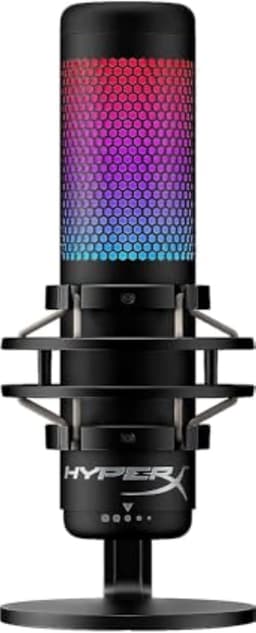
HyperX QuadCast S - Ranked #5 USB Microphones

HyperX QuadCast S

Best Budget

The only mic on this list with four switchable polar patterns, plus eye-catching RGB and a built-in shock mount at $130. Its versatility for solo, interview, and room recording makes it unbeatable for creators who want one mic for every scenario.

Pros

  • Four polar patterns for maximum versatility
  • Customizable RGB lighting via NGENUITY software
  • Built-in anti-vibration shock mount

Cons

  • 16-bit audio lags behind 24-bit competitors
  • Condenser picks up more background noise
  • RGB may be distracting for some setups

Score Comparison

Product
Audio Quality
35%
Noise Rejection
25%
Build Quality
20%
Features
10%
Value
10%
Weighted
Score
Price
#1Shure MV7+
101091079.50$269
#2RODE PodMic USB
10910889.35$185
#3Elgato Wave:3 MK.2
8781098.05$170
#4Audio-Technica AT2020USB-X
968787.75$169
#5HyperX QuadCast S
768997.35$125

Buying Guide

USB mics offer simplicity with good quality. Consider polar pattern (cardioid for voice), sample rate, and included accessories. XLR offers better quality but requires an interface.

What We Evaluate

35%

Audio Quality

Clarity and tone

25%

Noise Rejection

Background isolation

20%

Build Quality

Construction

10%

Features

Controls, headphone jack

10%

Value

Quality per dollar

Our Testing Methodology

We evaluated USB microphones across audio quality (clarity, warmth, noise floor), noise rejection (background isolation, polar pattern effectiveness), build quality (materials, durability, warranty), features (DSP, connectivity, monitoring), and value relative to price. Testing included streaming sessions, podcast recording, and voiceover in both treated and untreated rooms.

Learn more about how we test →

Frequently Asked Questions

Should I get a dynamic or condenser USB microphone for streaming?
Dynamic microphones (Shure MV7+, RODE PodMic USB) are better for noisy environments — they naturally reject keyboard clatter and room noise. Condenser microphones (Elgato Wave:3 MK.2, AT2020USB-X) capture more detail but pick up more background noise. If you stream with a mechanical keyboard or without acoustic treatment, go dynamic.
Is USB-C/XLR hybrid connectivity worth paying extra for?
Yes, if you might upgrade later. Hybrid mics like the Shure MV7+ let you start with USB and later connect to a professional audio interface via XLR for even better sound, without buying a new microphone.
Do I need 24-bit audio for streaming?
For streaming, 16-bit at 48kHz is sufficient since platforms compress audio anyway. For podcasting and voiceover where you want maximum editing flexibility, 24-bit provides greater dynamic range and a lower noise floor for post-production.

Related Comparisons