RODE PodMic USB vs HyperX QuadCast S
RODE PodMic USB (#2, best premium) vs HyperX QuadCast S (#5, best budget): in our USB Microphones scoring the RODE PodMic USB totals 9.4/10 and the HyperX QuadCast S 7.4/10, the RODE PodMic USB leading on Audio Quality and Noise Rejection and the HyperX QuadCast S on Features and Value.
We may earn a commission when you buy through our links.
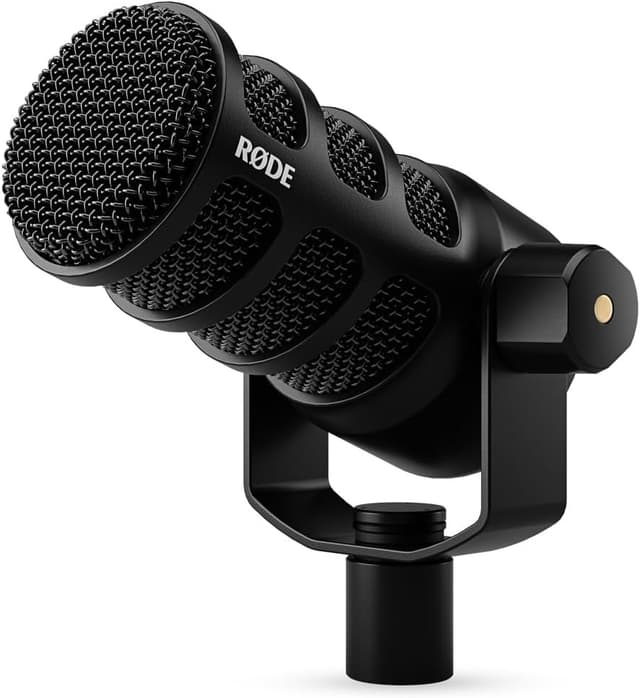
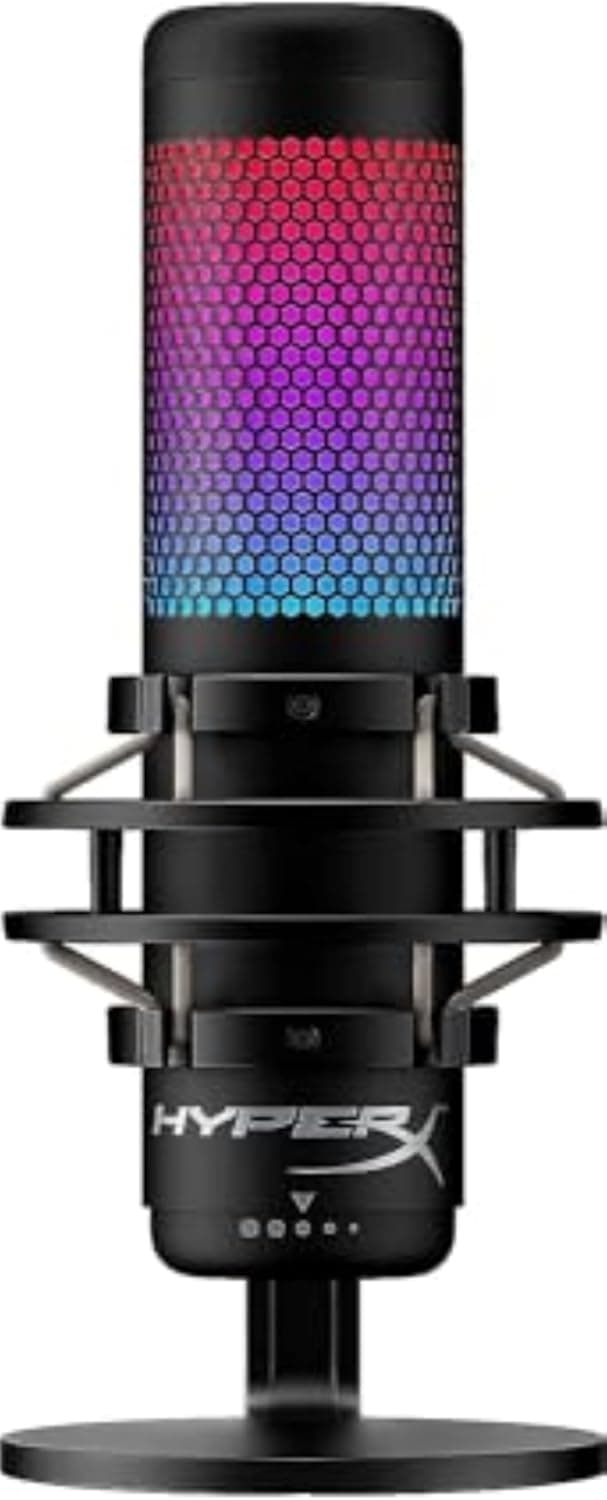
TopsFive comparison scores
Side by side
| RODE PodMic USB | HyperX QuadCast S | |
|---|---|---|
| Type | Dynamic (neodymium) | Electret condenser |
| Polar Pattern | Cardioid | — |
| Frequency Response | 20Hz - 20kHz | 20Hz - 20kHz |
| Sample Rate | 48kHz / 24-bit | 48kHz / 16-bit |
| Connection | USB-C + XLR | USB-C to USB-A |
| Headphone Out | 3.5mm | 3.5mm |
| Weight | 900g | 255g |
| Polar Patterns | — | Cardioid / Bidirectional / Omnidirectional / Stereo |
| Price | Check price → | Check price → |
How they differ in real use
Built from our usb microphones scoring, each product's published specifications, and verified owner feedback — not hands-on testing.
Both the RODE PodMic USB and the HyperX QuadCast S made our Top 5 USB Microphones, at #2 (best premium) and #5 (best budget). The richest, most broadcast-ready tone of any USB mic. RODE's legendary APHEX processing and tank-like all-metal build backed by a 5-year warranty make the PodMic USB a true long-term investment. Its XLR+USB dual connectivity future-proofs your setup. The only mic on this list with four switchable polar patterns, plus eye-catching RGB and a built-in shock mount at $130. Its versatility for solo, interview, and room recording makes it unbeatable for creators who want one mic for every scenario.
We score usb microphones on Audio Quality (35%), Noise Rejection (25%), Build Quality (20%), Features (10%) and Value (10%). On that basis the RODE PodMic USB totals 9.4 out of 10 and the HyperX QuadCast S 7.4. The widest gap is Audio Quality, where the RODE PodMic USB scores 10 against 7 for the HyperX QuadCast S: clarity and tone. Noise Rejection also separates them: 9 for the RODE PodMic USB versus 6 for the HyperX QuadCast S. The HyperX QuadCast S claws back ground on Features and Value.
On paper, the specifications that actually differ: Type: Dynamic (neodymium) on the RODE PodMic USB versus Electret condenser on the HyperX QuadCast S; Sample Rate: 48kHz / 24-bit on the RODE PodMic USB versus 48kHz / 16-bit on the HyperX QuadCast S; Connection: USB-C + XLR on the RODE PodMic USB versus USB-C to USB-A on the HyperX QuadCast S; Weight: 900g on the RODE PodMic USB versus 255g on the HyperX QuadCast S. They match on Frequency Response and Headphone Out.
Check current pricing at the merchant links below. Owners praise the RODE PodMic USB for dual USB-C and XLR connectivity and APHEX DSP with Aural Exciter and Big Bottom; the most common complaint is heavy at 900g, needs a sturdy boom arm. Owners praise the HyperX QuadCast S for four polar patterns for maximum versatility and customizable RGB lighting via NGENUITY software; the most common complaint is 16-bit audio lags behind 24-bit competitors.
RODE PodMic USB
- Dual USB-C and XLR connectivity
- APHEX DSP with Aural Exciter and Big Bottom
- Built-in pop filter and internal shock mount
- Zero-latency headphone monitoring
- Heavy at 900g, needs a sturdy boom arm
- Higher price for a dynamic USB mic
- Cardioid only
HyperX QuadCast S
- Four polar patterns for maximum versatility
- Customizable RGB lighting via NGENUITY software
- Built-in anti-vibration shock mount
- Tap-to-mute with LED status indicator
- 16-bit audio lags behind 24-bit competitors
- Condenser picks up more background noise
- RGB may be distracting for some setups
Which should you buy?
The RODE PodMic USB is the better fit for podcasters wanting broadcast-radio tone and streamers in rooms with keyboard noise; it is the higher-scoring pick here, chiefly for Audio Quality and Noise Rejection. The HyperX QuadCast S is the better fit for gamers wanting RGB aesthetics to match their setup and podcasters conducting interviews, and the stronger choice if Features and Value matter more to you than the overall score. The RODE PodMic USB is a poor fit for those wanting a lightweight desktop mic; the HyperX QuadCast S is a poor fit for audio purists needing 24-bit resolution.
Choose the RODE PodMic USB if
- Podcasters wanting broadcast-radio tone
- Streamers in rooms with keyboard noise
- Creators who may upgrade to XLR later
Skip it if
- Those wanting a lightweight desktop mic
- Singers needing condenser detail
Choose the HyperX QuadCast S if
- Gamers wanting RGB aesthetics to match their setup
- Podcasters conducting interviews
- Creators wanting one mic for multiple scenarios
Skip it if
- Audio purists needing 24-bit resolution
- Creators in noisy environments
Common questions
Is the RODE PodMic USB better than the HyperX QuadCast S?
In our USB Microphones ranking the RODE PodMic USB scores higher overall, 9.4 to 7.4, with the biggest advantage in Audio Quality. The HyperX QuadCast S is stronger on Features and Value, so it is the better pick if those matter most to you.
What is the main difference between the RODE PodMic USB and the HyperX QuadCast S?
The headline spec difference is Type: Dynamic (neodymium) on the RODE PodMic USB versus Electret condenser on the HyperX QuadCast S. In use, the gap that matters most is Audio Quality (10 vs 7 in our scoring): clarity and tone.