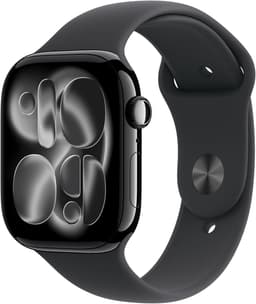
Apple Watch Series 11
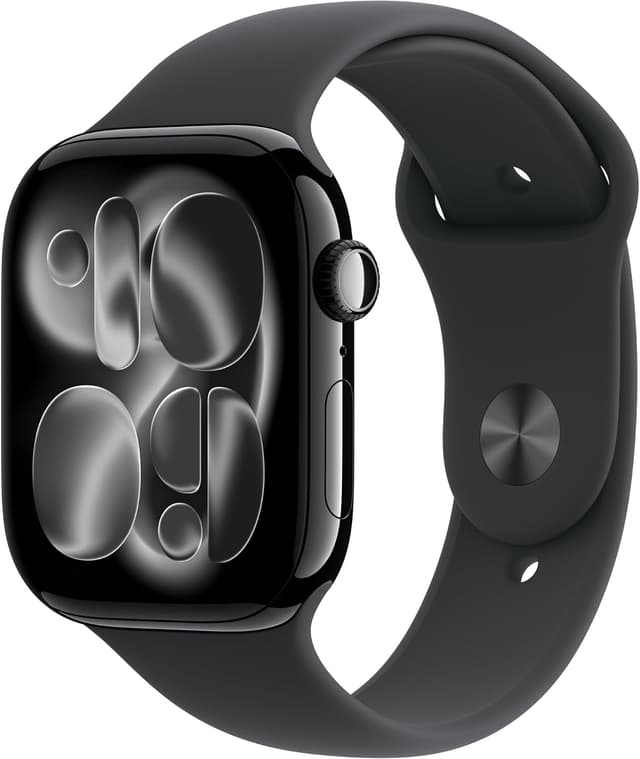
Most comprehensive FDA-cleared health platform. Industry-first hypertension notifications monitor blood pressure trends over 30 days. ECG achieves 98.3% sensitivity, 99.6% specificity for AFib detection.
Watches prioritizing FDA-cleared sensors and clinical validation.
We may earn a commission when you buy through our links. Prices and availability shown are accurate as of Sep 2, 2026 and are subject to change; the merchant's price at purchase applies.
Most comprehensive FDA-cleared health platform. Industry-first hypertension notifications monitor blood pressure trends over 30 days. ECG achieves 98.3% sensitivity, 99.6% specificity for AFib detection.
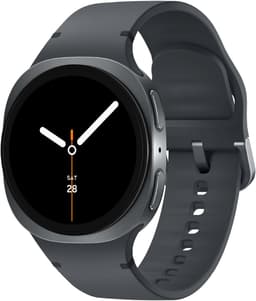
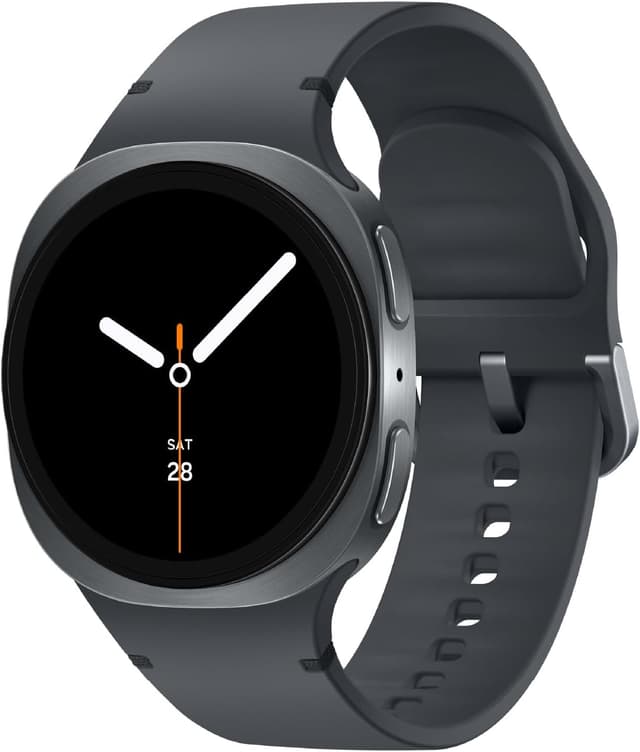
Most comprehensive sensor suite including FDA-cleared ECG, blood pressure monitoring, BIA body composition, and industry-first Vascular Load and Antioxidant Index metrics. 13-LED BioActive sensor with ±1.5% accuracy improvement.
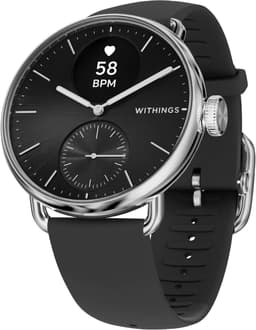
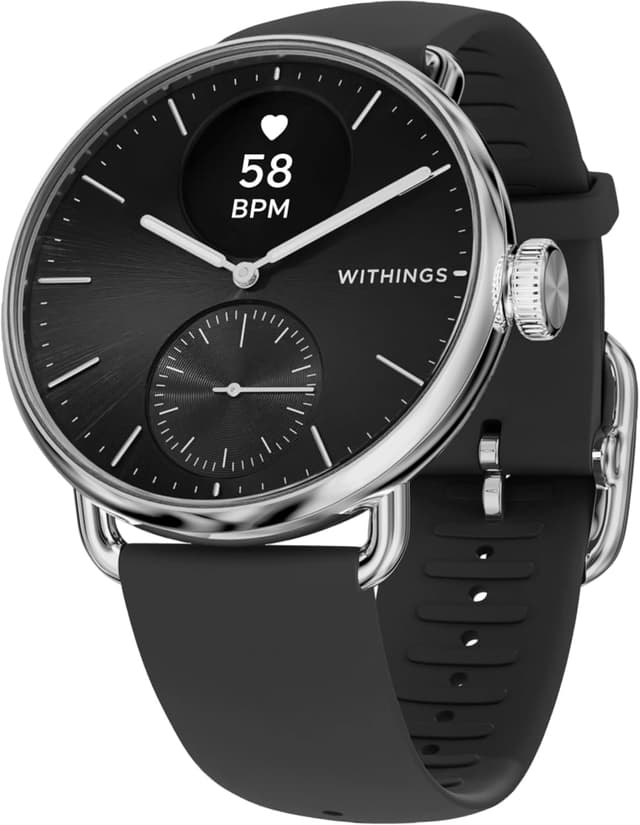
Best for continuous, unobtrusive 24/7 health monitoring. 30-day battery in traditional analog watch design. FDA-cleared ECG and respiratory disturbance detection for sleep apnea screening.
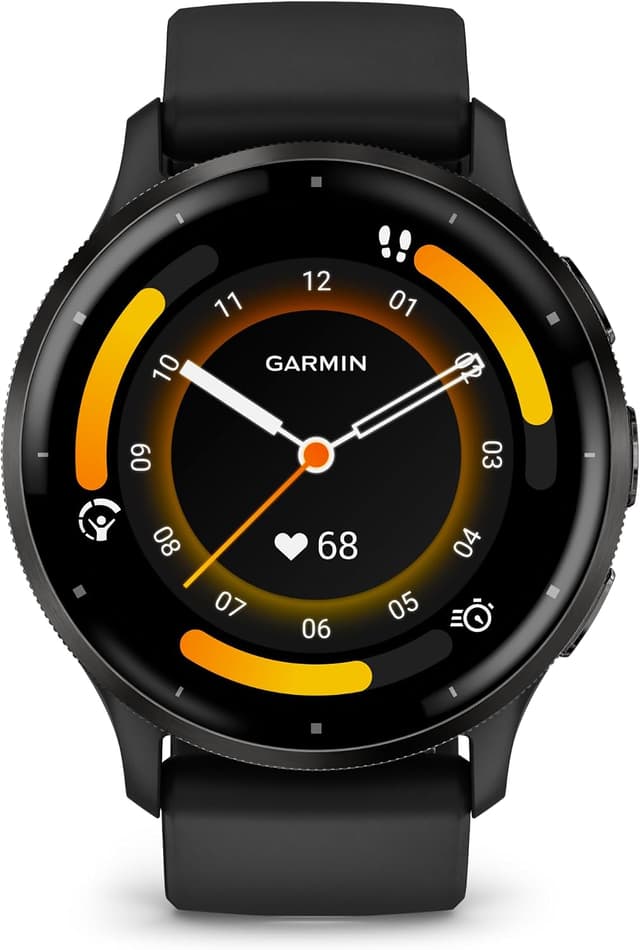
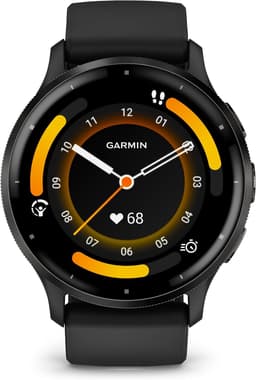
Best battery life among full smartwatches at 10-14 days. FDA-cleared ECG, Sleep Coach with nap detection, and Body Battery energy management. Works with both iOS and Android.
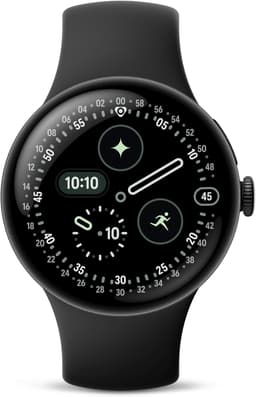
Unique life-saving Loss of Pulse Detection—the only smartwatch detecting cardiac arrest and auto-calling emergency services. First smartwatch with standalone satellite connectivity for safety.
| #1 | #2 | #3 | #4 | #5 | |
|---|---|---|---|---|---|
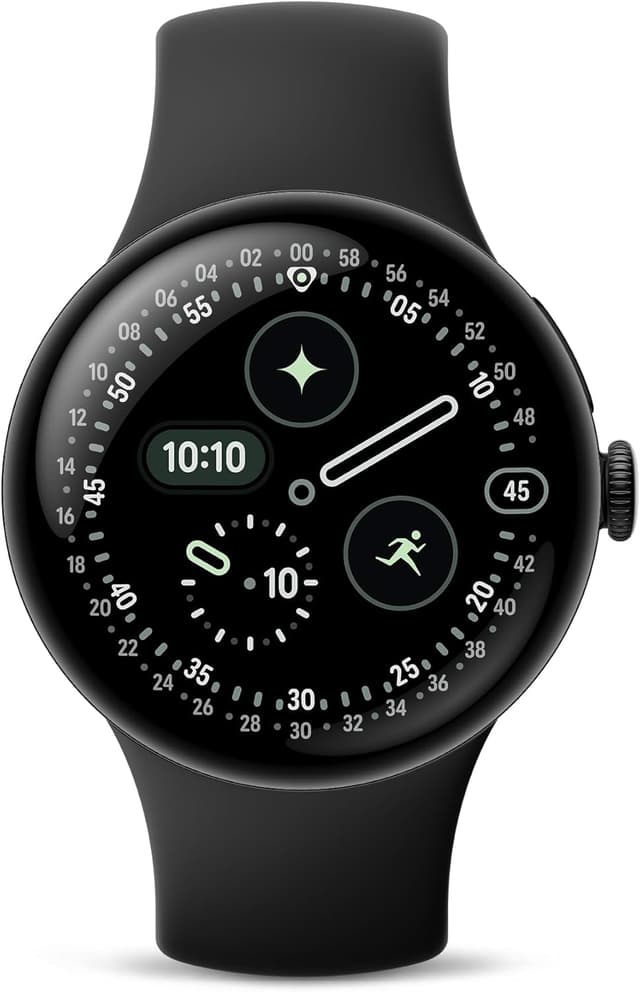
| Product | ![]() | ![]() | ![]() | ![]() | ![]() |
| Brand | Apple | Samsung | Withings | Garmin | |
| Display | Always-on OLED | 1.5" Super AMOLED | Analog + small OLED | 1.4" AMOLED | AMOLED, domed glass |
| Battery | 18 hours | 1-2 days | 30 days | 10-14 days | 24 hours |
| Sensors | ECG, HR, SpO2, temperature, BP trends | ECG, BIA, BP, HR, SpO2, temperature | ECG, HR, SpO2, temperature | HR, ECG, SpO2, temperature | HR, ECG, SpO2, EDA, temperature |
| Price | $329 → | $259 → | $299 → | $349 → | $349 → |
A health-monitoring smartwatch is only as useful as the clearances and calibration behind its sensors, so start by separating "FDA-cleared" features from general wellness estimates. ECG (electrocardiogram) sensors that carry an FDA 510(k) clearance for irregular-rhythm or AFib detection have been validated against a clinical-grade reference; a watch's plain heart-rate graph or "stress score" has not, and should be read as a trend indicator rather than a diagnosis. The same split applies to blood-pressure features: Samsung's cuff-based calibration flow requires an actual blood-pressure cuff every few weeks to stay accurate, while Apple's newer hypertension notifications work passively but only flag long-run trends, not single readings — neither replaces a cuff for a real diagnosis or medication decisions. Continuous vs. spot monitoring is the next real tradeoff. A watch that samples heart rate and SpO2 every few minutes around the clock (useful for catching nighttime AFib episodes or sleep apnea patterns) draws meaningfully more power than one that checks in occasionally, which is why the watches with the deepest 24/7 sensing tend to land at the low end of the battery-life range and the ones with week-plus battery life trade away some background sampling frequency. Decide which matters more for your use case — a single missed night of data is a bigger loss for sleep-apnea screening than for step counting. Ecosystem lock-in is easy to underweight until after purchase: Samsung's blood-pressure and body-composition features require a Samsung phone, Apple's full health suite requires an iPhone, and losing that pairing means losing the feature, not just the app. Sensor accuracy also varies with skin tone, tattoos, and wrist fit — optical (PPG) sensors read light reflected through skin, and a loose band or a wrist tattoo over the sensor window can silently degrade every downstream metric, so a snug daytime fit and a clean sensor window matter more than any spec sheet number. The most common buying mistake is choosing the watch with the longest feature list of health metrics without checking whether the ones you actually care about (AFib detection, sleep apnea screening, blood pressure trends) carry real clinical clearance on that specific model and region — clearances are model- and sometimes country-specific and are not automatically inherited by the next year's watch.
Rankings prioritize FDA-cleared sensors, clinical validation, and continuous monitoring capability. Health claims verified against FDA 510(k) clearances.
ECG, SpO2, BP, temperature
Clinically validated features
24/7 tracking capability
Days of health tracking
Health app integration