Best Over-ear Headphones for Studio 2026

Professional studio headphones for mixing, mastering, tracking, and production.

Last updated: February 8, 20265 products tested

Our Top Picks

Best OverallAudeze MM-500

Audeze MM-500

Audeze

View details →
Best ValueSennheiser HD 490 Pro

Sennheiser HD 490 Pro

Sennheiser

View details →
Best BudgetSony MDR-7506

Sony MDR-7506

Sony

View details →

Full Rankings

#1
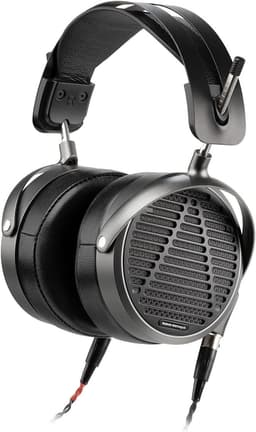
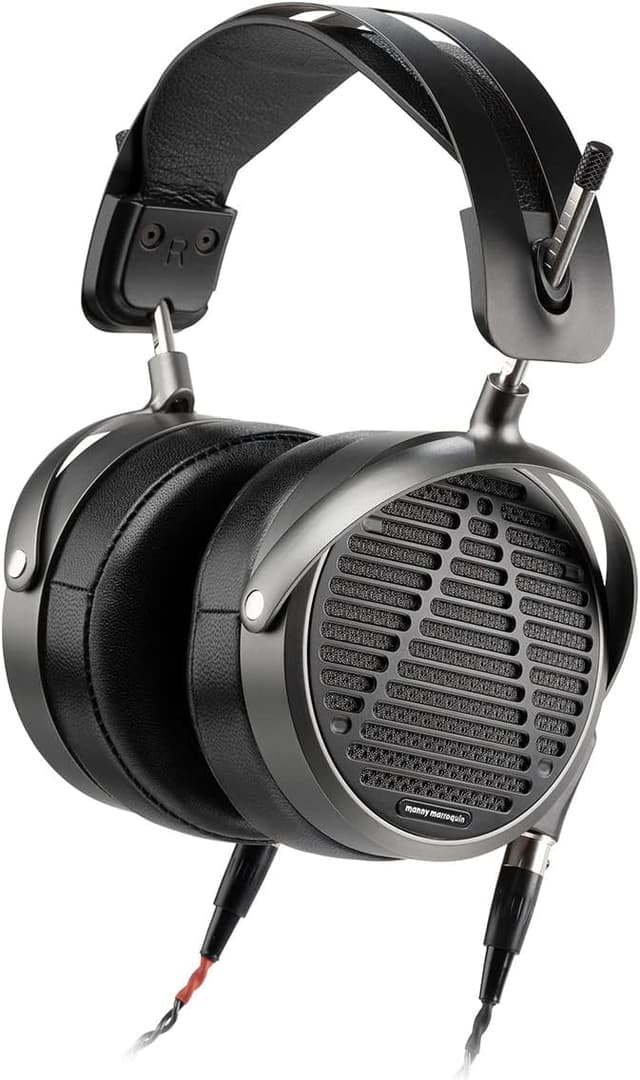
Audeze MM-500

Audeze MM-500

Best Overall

The professional's choice for mixing. Developed with Grammy-winning mixer Manny Marroquin and used on Kendrick Lamar's #1 album. Its key advantage is translation—mixes made on the MM-500 consistently translate well to speakers, earbuds, and car stereos. Open-back only: NOT for tracking/recording.

Pros

  • 90mm planar magnetic drivers
  • Exceptional mix translation to other playback systems
  • Sub-bass accuracy rivals mastering rooms

Cons

  • Very expensive at $1,699
  • Heavy at ~500g
  • Open-back only—NOT for tracking/recording (sound leaks into microphones)
#2
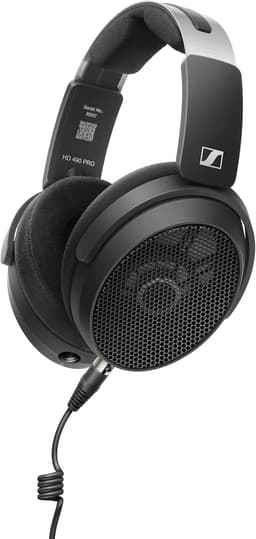
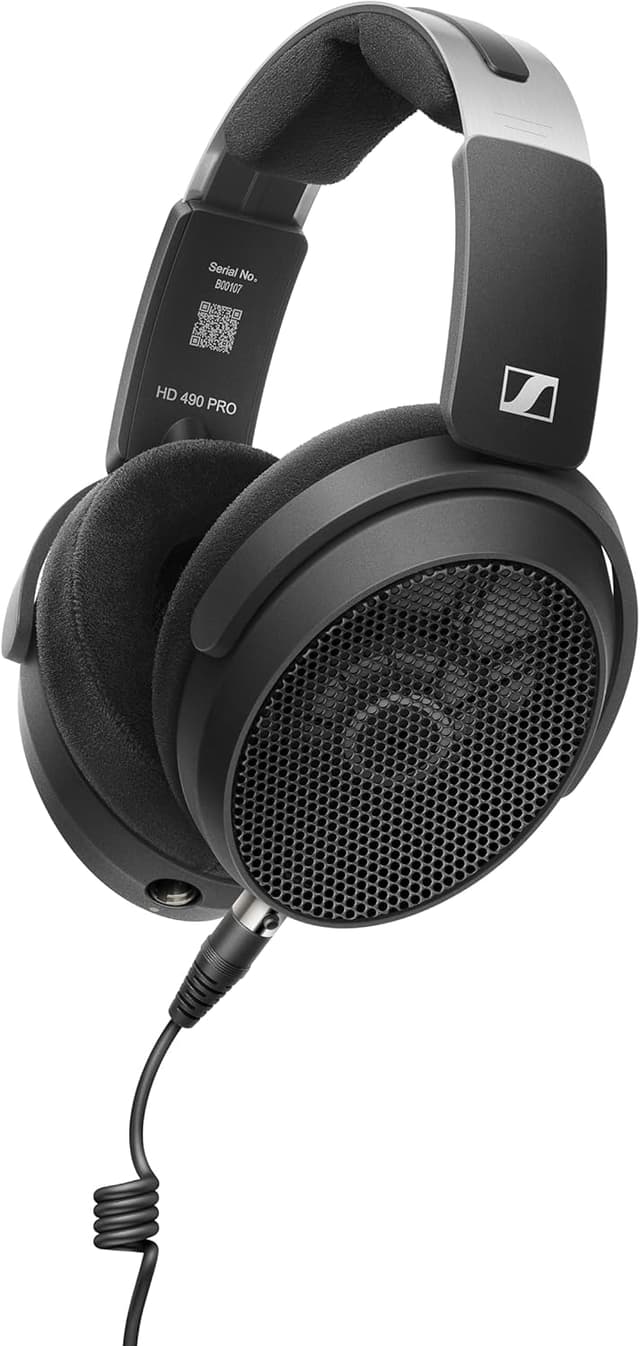
Sennheiser HD 490 Pro

Sennheiser HD 490 Pro

Best Value

MusicRadar's 'best overall studio headphone available right now.' Purpose-built for modern production with included dearVR MIX-SE spatial mixing plugin—invaluable for bedroom producers mixing on headphones instead of monitors. At $356, it's the best value for serious mixing. Open-back only: NOT for tracking/recording.

Pros

  • Best overall studio headphone (MusicRadar)
  • Includes dearVR MIX-SE plugin for headphone mixing (worth ~$100)
  • Innovative low-frequency cylinder for accurate bass

Cons

  • 130Ω requires a headphone amp or quality audio interface
  • Open-back—NOT for tracking/recording (sound leaks into microphones)
  • Relatively new (less proven than decades-old standards)
#3
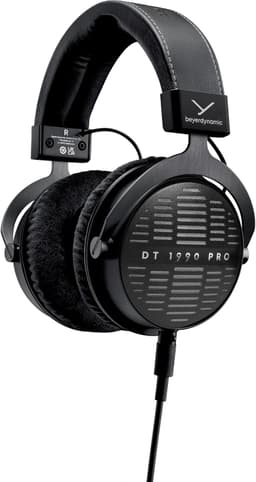
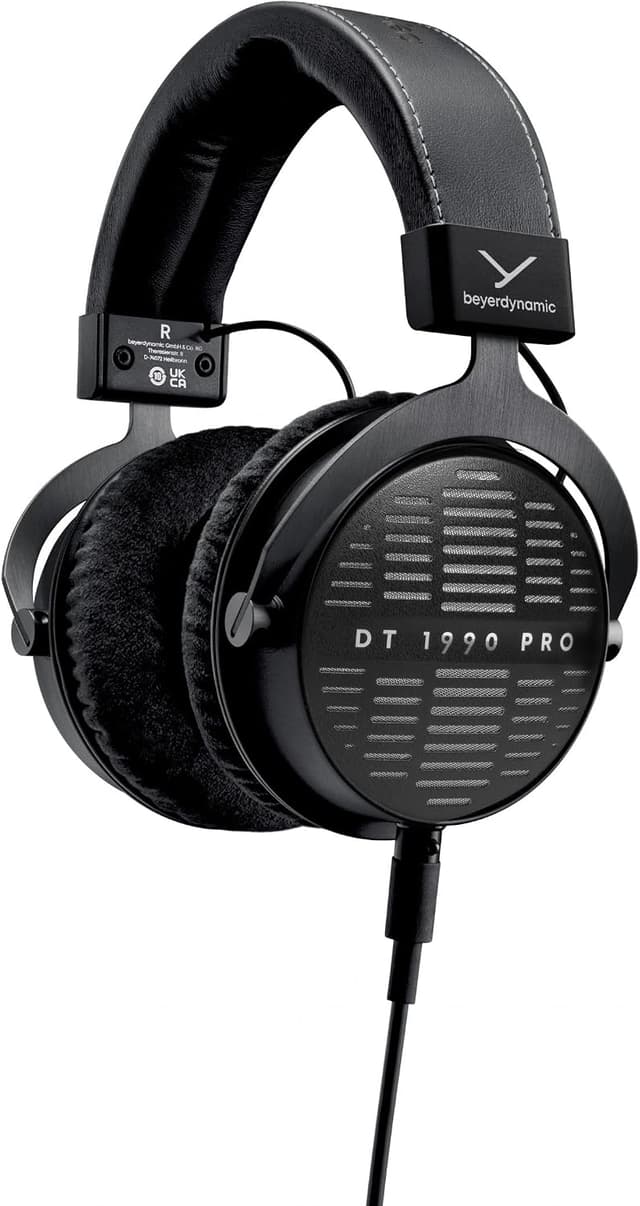
Beyerdynamic DT 1990 Pro MKII

Beyerdynamic DT 1990 Pro MKII

Exceptional detail resolution with the MKII's refined TESLA.45 drivers. At 250Ω, it requires a dedicated headphone amp or quality audio interface—but rewards with micro-detail that reveals mix issues. Open-back only: NOT for tracking/recording.

Pros

  • Exceptional detail resolution
  • TESLA.45 drivers with tight matching tolerances
  • Dual ear pad sets (analytical and balanced profiles)

Cons

  • 250Ω impedance—needs a decent headphone amp or audio interface
  • Still slightly bright for treble-sensitive users
  • Heavy at 376g for long sessions
#4
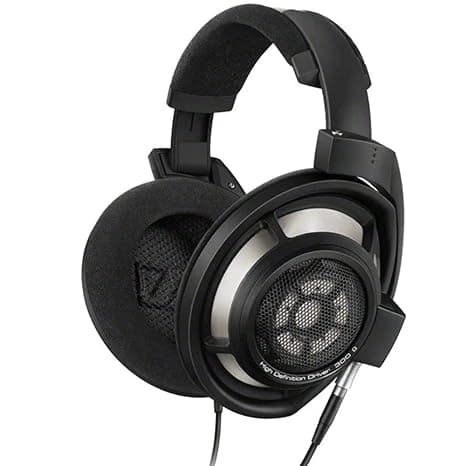
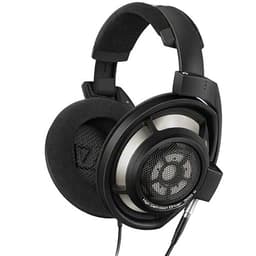
Sennheiser HD 820

Sennheiser HD 820

A closed-back audiophile headphone with 56mm ring radiator drivers and Gorilla Glass reflector. Unlike the open-back models above, the HD 820's closed design provides isolation usable during tracking/recording. Its spacious soundstage reveals spatial issues, but the exaggerated staging can mislead mixers. At 300Ω and $2,199, this is a specialist tool, not a mixing workhorse.

Pros

  • 56mm ring radiator drivers with glass reflector technology
  • Remarkably spacious soundstage for a closed-back
  • Up to 26 dB passive isolation

Cons

  • Requires quality amplification (300Ω)
  • Very expensive
  • Heavier at 360g
#5
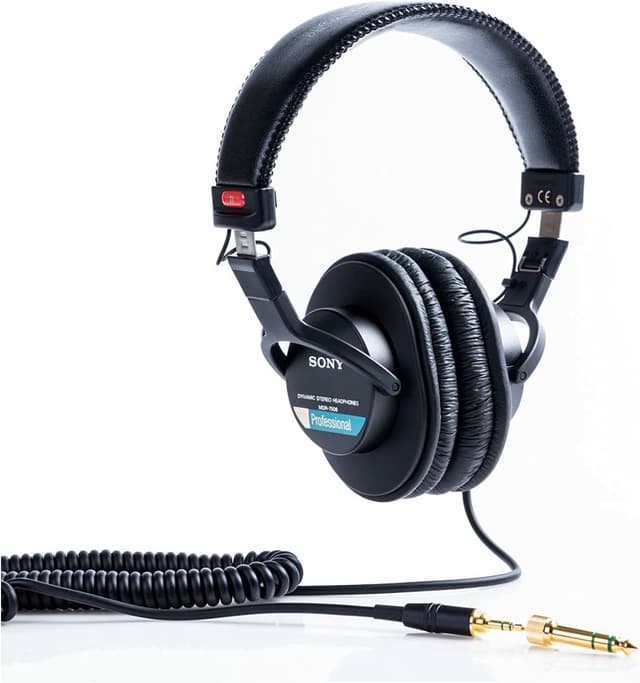
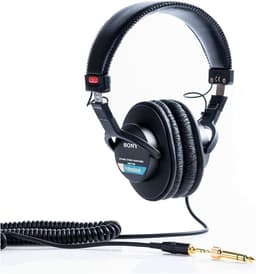
Sony MDR-7506

Sony MDR-7506

Best Budget

The ONLY closed-back headphone on this list—essential for tracking and recording where open-back models leak sound into microphones. Industry standard since 1991, found in virtually every professional studio. At $104, every studio should own a pair regardless of what else they have. Not ideal for critical mixing (use open-back for that), but indispensable for recording sessions.

Pros

  • Industry standard since 1991
  • Closed-back design essential for tracking/recording (prevents bleed)
  • Reveals flaws (sibilance, distortion, noise)

Cons

  • Bright, fatiguing for long mixing sessions
  • Non-replaceable coiled cable
  • Ear pads wear out (cheap to replace)

Score Comparison

Product
Accuracy
40%
Detail Resolution
25%
Comfort
15%
Build Quality
10%
Value
10%
Weighted
Score
Price
#1Audeze MM-500
10107.59.579.27$1699
#2Sennheiser HD 490 Pro
98.59.58.59.58.95$356
#3Beyerdynamic DT 1990 Pro MKII
99.58988.88$658
#4Sennheiser HD 820
8.51089.558.55$2199
#5Sony MDR-7506
7.57.56.58107.65$104

Buying Guide

CRITICAL: Open-back and closed-back headphones serve completely different studio roles. Open-back (MM-500, HD 490 Pro, DT 1990, HD 800 S) are for mixing and mastering—they leak sound and CANNOT be used while recording with a microphone. Closed-back (Sony MDR-7506) are for tracking/recording—they isolate sound so it doesn't bleed into your mic. Most studios need both types.

What We Evaluate

40%

Accuracy

Flat, revealing frequency response

25%

Detail Resolution

Micro-detail and transient response

15%

Comfort

Extended session comfort

10%

Build Quality

Professional durability

10%

Value

Performance per dollar

Our Testing Methodology

We evaluate frequency response accuracy, transient response, distortion, and real-world mix translation. IMPORTANT: This list contains both open-back headphones (for mixing/mastering) and closed-back (for tracking/recording). Open-back headphones leak sound and CANNOT be used while recording with a microphone—the headphone audio will bleed into your recording. The Sony MDR-7506 and Sennheiser HD 820 are the closed-back options here for that purpose.

Learn more about how we test →

Frequently Asked Questions

I'm recording vocals/instruments—which headphone do I need?
You MUST use closed-back headphones for recording (tracking). The Sony MDR-7506 (#5) and Sennheiser HD 820 (#4) are the closed-back options on this list. Open-back headphones (MM-500, HD 490 Pro, DT 1990) leak sound that your microphone will pick up, ruining your recording.
Open-back or closed-back for mixing?
Open-back for mixing—they provide better soundstage, less ear fatigue, and more accurate spatial imaging. The MM-500 and HD 490 Pro are purpose-built for this. However, many studios keep a pair of closed-back (like the MDR-7506) for checking how mixes sound in isolation.
What impedance can my audio interface drive?
Most audio interfaces handle 32-80Ω well. The HD 490 Pro (130Ω) and DT 1990 Pro MKII (250Ω) benefit from a dedicated headphone amp. The HD 820 (300Ω) requires one. The Sony MDR-7506 (63Ω) and MM-500 (18Ω) work fine from any interface.
Do I need the $1,699 MM-500 or is the $356 HD 490 Pro enough?
For most home studios, the HD 490 Pro is excellent—especially with the included dearVR MIX-SE plugin for headphone mixing. The MM-500 is for professionals who need the absolute best mix translation and can justify the investment. The difference is real but incremental.
Why is the HD 820 ranked last despite costing $2,199?
The HD 820 is a closed-back audiophile headphone, not a studio workhorse. Its exaggerated soundstage can mislead mixers—mixes made on it may sound narrow on normal speakers. It excels at mastering, final QC, and tracking sessions (where its closed-back isolation is an advantage), but the MM-500 and HD 490 Pro are better daily mixing tools.

Related Comparisons