Best Over-ear Headphones for Conferencing 2026

Dedicated UC headsets and consumer headphones ranked for video call quality.

Last updated: February 8, 20265 products tested

Our Top Picks

Best OverallPoly Voyager Focus 2 UC

Poly Voyager Focus 2 UC

Poly

View details →
Best PremiumJabra Evolve2 85

Jabra Evolve2 85

Jabra

View details →

Full Rankings

#1
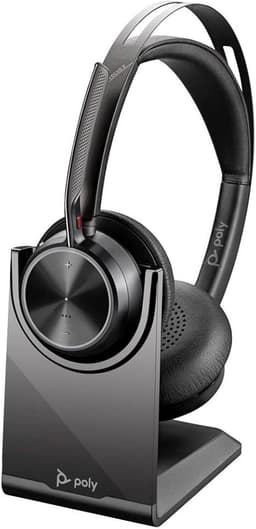
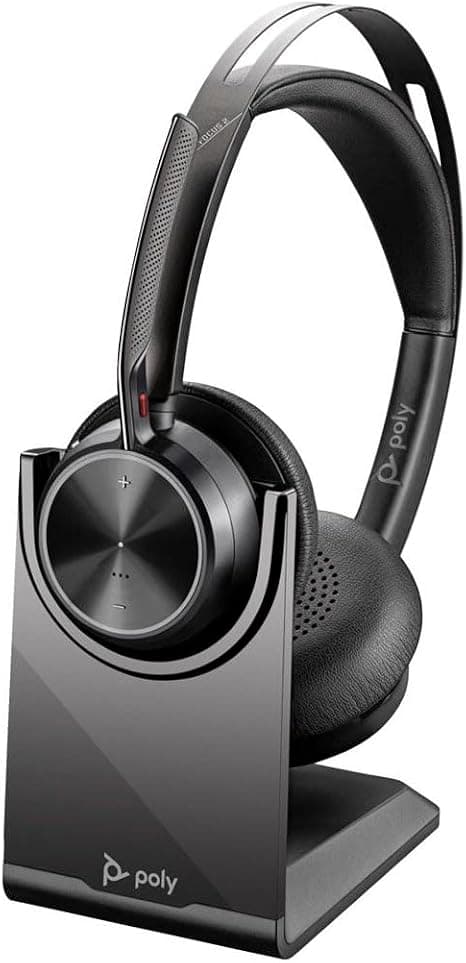
Poly Voyager Focus 2 UC

Poly Voyager Focus 2 UC

Best Overall

The best conferencing headset for most people. Acoustic Fence isolates your voice even in open offices, the boom mic delivers consistently clear audio, and at 175g it's the lightest option by far. Teams/Zoom certified with a USB dongle included for reliable PC connectivity. At $159, it's also the best value.

Pros

  • Acoustic Fence technology
  • Ultra-lightweight at 175g
  • Dynamic Mute Alert (notifies if speaking while muted)

Cons

  • Sound quality trails music-focused options
  • ANC not as strong as Sony/Bose
  • Plasticky build
#2
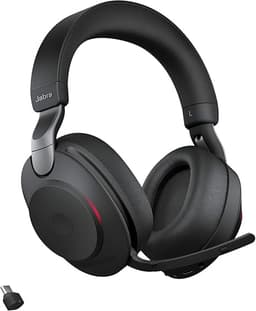
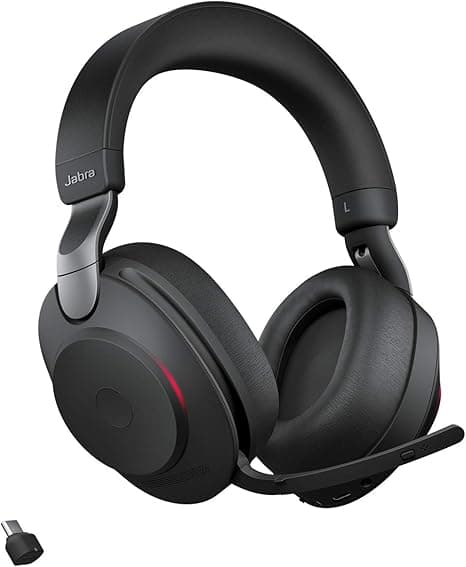
Jabra Evolve2 85

Jabra Evolve2 85

Best Premium

The enterprise workhorse with a 10-microphone system and retractable boom that delivers the most consistent voice isolation in noisy open offices. Built-in busylight and Teams/Zoom certification make it IT-friendly. At $460 it's expensive and the hardware dates to 2020, but nothing matches its mic system for extreme noise environments.

Pros

  • 10-microphone system for voice isolation
  • Retractable boom mic
  • Built-in busylight

Cons

  • Expensive at $460 (launched 2020, aging hardware)
  • Heavy for all-day wear
  • Overkill for home-only workers
#3
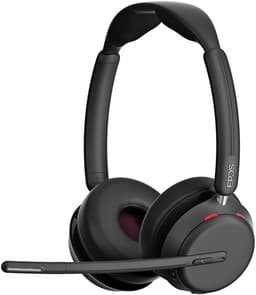
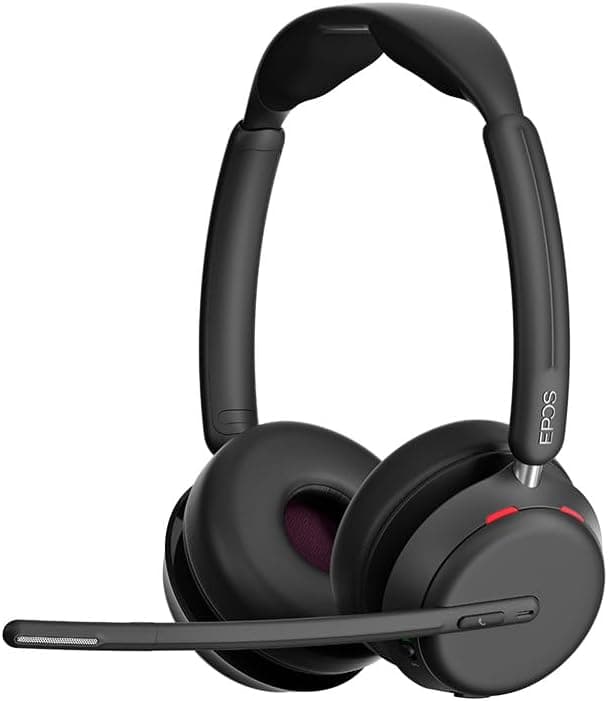
EPOS Impact 1060 ANC

EPOS Impact 1060 ANC

The only headset with true triple-device multipoint (PC + 2 phones simultaneously). 3-microphone boom with EPOS AI noise cancellation and hybrid adaptive ANC. At $289, well-priced for the feature set—Zoom/Meet certified (UC model) or Teams certified (1060T variant).

Pros

  • Triple-device multipoint (PC + 2 phones)
  • 3-microphone boom with EPOS AI noise cancellation
  • Hybrid adaptive ANC (BrainAdapt technology)

Cons

  • On-ear design may cause discomfort in long sessions
  • UC model not Teams certified (need 1060T variant)
  • AI noise suppression can occasionally clip speech
#4
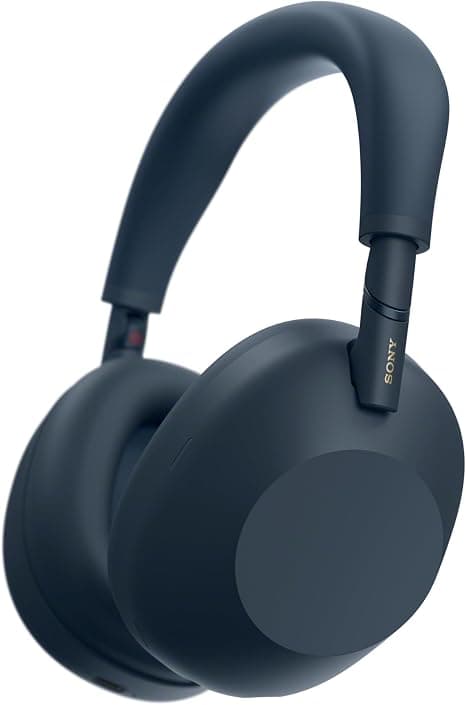
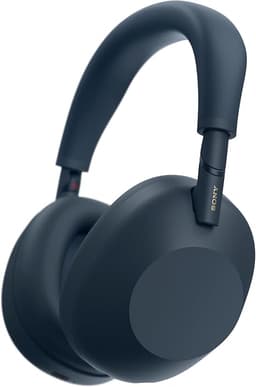
Sony WH-1000XM6

Sony WH-1000XM6

A consumer ANC headphone with significantly improved call quality (12 mics). Best choice if you want ONE headphone for music, travel, AND calls. However: no USB dongle (Bluetooth-only can be flaky on Windows), no boom mic, no hardware mute button, and no Teams/Zoom certification. Dedicated UC headsets above are better for calls-first users.

Pros

  • Industry-leading noise cancellation
  • Foldable design (brought back from XM4)
  • 30mm carbon fiber dome drivers

Cons

  • Not audiophile-grade for critical listening
  • Premium price at $449
#5
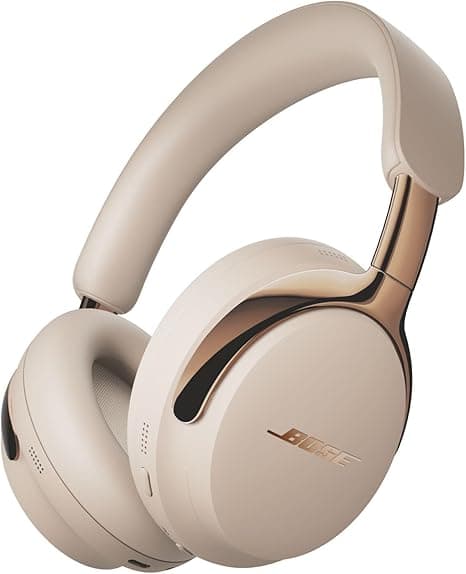
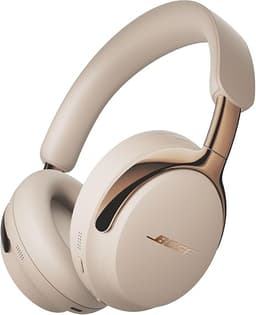
Bose QuietComfort Ultra (2nd Gen)

Bose QuietComfort Ultra (2nd Gen)

Included for those who prioritize comfort and ANC above call quality. Best-in-class noise cancellation and legendary all-day comfort, but beamforming mics without a boom trail every other option here. No dongle, no certification, no hardware mute. Buy this for music/travel and accept 'good enough' call quality—not as a dedicated conferencing headset.

Pros

  • Class-leading ANC blocks virtually all background noise
  • Legendary all-day comfort (best in this list)
  • Lossless USB-C audio for music between calls

Cons

  • No boom microphone—beamforming mic trails dedicated UC headsets
  • No USB dongle (Bluetooth-only can cause issues on Windows)
  • No hardware mute button (must mute in software)

Score Comparison

Product
Microphone Quality
35%
ANC Performance
25%
Comfort
20%
Connectivity
10%
Battery Life
10%
Weighted
Score
Price
#1Poly Voyager Focus 2 UC
9.589.59.588.97$159
#2Jabra Evolve2 85
1097998.95$460
#3EPOS Impact 1060 ANC
998.5108.58.95$289
#4Sony WH-1000XM6
8109.579.58.85$398
#5Bose QuietComfort Ultra (2nd Gen)
71010798.55$449

Buying Guide

For the best call quality, look for dedicated UC headsets with boom microphones, USB dongles (more reliable than Bluetooth on Windows), and Teams/Zoom certification. Consumer ANC headphones (Sony, Bose) work for calls but lack boom mics, dongles, and hardware mute—they're better as do-everything headphones than dedicated conferencing tools.

What We Evaluate

35%

Microphone Quality

Voice clarity and noise isolation

25%

ANC Performance

Background noise blocking

20%

Comfort

All-day wear comfort

10%

Connectivity

Multipoint, range, reliability

10%

Battery Life

Hours of talk time

Our Testing Methodology

We test call quality in various environments (office, home, outdoor, street) and verify Teams/Zoom certifications. Microphone quality is evaluated by call recipients across platforms. This list includes both dedicated UC headsets (Poly, Jabra, EPOS) and consumer headphones (Sony, Bose)—we clearly note the trade-offs of each type.

Learn more about how we test →

Frequently Asked Questions

What's the difference between a UC headset and consumer headphones for calls?
UC (Unified Communications) headsets like Jabra, Poly, and EPOS include USB dongles for reliable PC connectivity, boom microphones for superior voice pickup, hardware mute buttons, and Teams/Zoom certification. Consumer headphones (Sony, Bose) use Bluetooth only (less reliable on Windows), beamforming mics (lower quality), and software mute. UC headsets are purpose-built for calls; consumer headphones are music-first with decent call capability.
Do I need a boom microphone?
For the best call quality, yes. Boom mics (Poly, Jabra, EPOS) consistently outperform beamforming arrays (Sony, Bose) for voice clarity, especially in noisy environments. If you're mostly calling from a quiet home office, beamforming is acceptable.
Why does the Poly Focus 2 beat the more expensive Jabra?
For most remote workers, the Poly offers 90% of the Jabra's call quality at one-third the price, weighs nearly half as much (175g vs ~286g), and includes Acoustic Fence technology. The Jabra's 10-mic system is superior in extreme noise (open offices, airports), but most home/hybrid workers won't notice the difference.
Can I use Sony XM6 or Bose for Teams/Zoom calls?
Yes, but with caveats. Without a USB dongle, Windows may default to 'Hands-Free' Bluetooth profile (mono, low quality) instead of the higher-quality audio profile. You'll also lack hardware mute buttons and busylights. They work fine for occasional calls but aren't ideal as primary conferencing headsets.
Are business certifications important?
For enterprise/IT-managed environments, Teams/Zoom certification is often required and ensures optimized audio. For personal use, certification is less critical but means the headset has been tested for call reliability.

Related Comparisons