The best space heaters for a home garage, matched to typical garage sizes, insulation, and electrical service, from a wall-mounted 120V infrared to a 240V shop heater and a propane pick for garages without an outlet.
Updated August 24, 20265 rankedNo paid placements
We may earn a commission when you buy through our links.
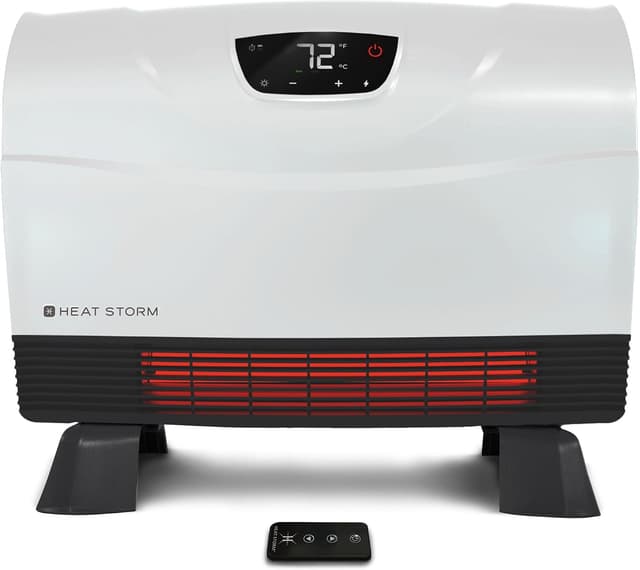
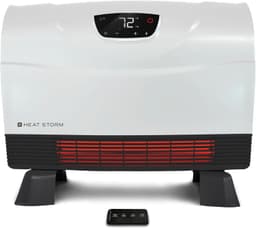
The safest first pick for a typical home garage: Bob Vila's tested best-overall garage heater and Pro Tool Reviews' best-smart pick (via the WiFi sibling). It plugs into any 120V outlet (no electrician, no dedicated circuit, no propane), has a digital thermostat and remote, wall-mounts to keep the floor clear, and its cool-touch housing is friendlier around kids, pets, and stored gear than any fan-forced radiator. Its 1500W ceiling caps how large a garage it can meaningfully warm, but for the vast majority of insulated one- or two-car home garages it is the least-fuss route to reliable heat.
Plugs into a standard 120V outlet: no dedicated circuit or hardwiring requiredWall-mountable to keep floor space clear, or floor-standing with the included feetCool-touch housing is safer around kids, pets, and stored items than a fan-forced radiator1500W ceiling limits it to insulated one- or two-car garagesInfrared warmth is directional: spaces behind objects stay cooler
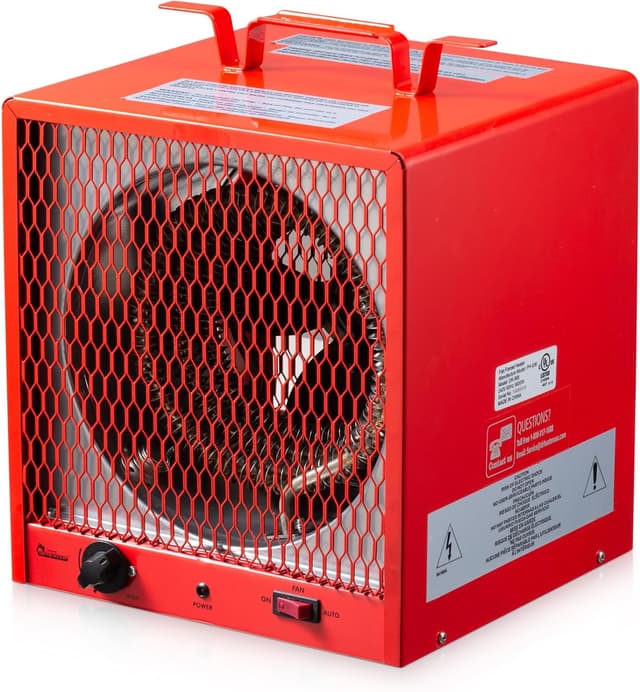
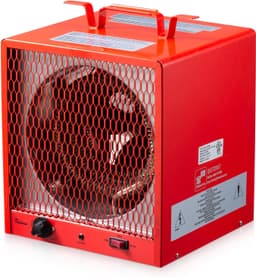
The pick when a 120V heater is not enough. Bob Vila's tested best-infrared 240V pick, the DR-988 draws 5,600W at 240V through a NEMA 6-30P plug and its industrial forced-air blower with a 37–113°F thermostat covers workshops and detached uninsulated garages a plug-in cannot. It ranks below the Phoenix because it needs a dedicated 30-amp 240V outlet before you can use it (an electrician job for most homes), and its Amazon buy box typically routes through third-party sellers rather than Amazon direct.
Genuine 5,600W (240V) output covers workshops far beyond a 120V heater's reachPortable, wall-, or ceiling-mountable so it works in existing shop layoutsAdjustable industrial thermostat (37–113°F) holds a target rather than cycling on maxRequires a dedicated NEMA 6-30R 240V/30A outlet, an electrician job for most homesForced-air blower is louder than a passive infrared panel
The escape hatch for garages without a suitable outlet at all. Consistently the top propane pick across Bob Vila, findingdulcinea, and Garage Gym Reviews, the Big Buddy MH18B runs on two 1 lb bottles or a bulk 20 lb tank and pushes 4,000 / 9,000 / 18,000 BTU across three settings, enough to warm ~450 sq ft with no electrical hookup. Automatic low-oxygen shut-off, tip-over shutoff, and piezo ignition make it the safest portable propane heater rated for indoor use. It ranks here rather than higher because propane demands active ventilation, and per-hour fuel cost at the top setting is higher than electric.
No electricity required: it's the answer for detached garages and remote workspaces18,000 BTU high setting warms up to ~450 sq ft, comparable to a 5,000W electric unitRuns on two 1 lb bottles or (with the included fuel-line accessory) a bulk 20 lb tankPropane combustion demands adequate ventilation; never run in a sealed spaceFuel cost is higher per hour than electric at the top BTU setting
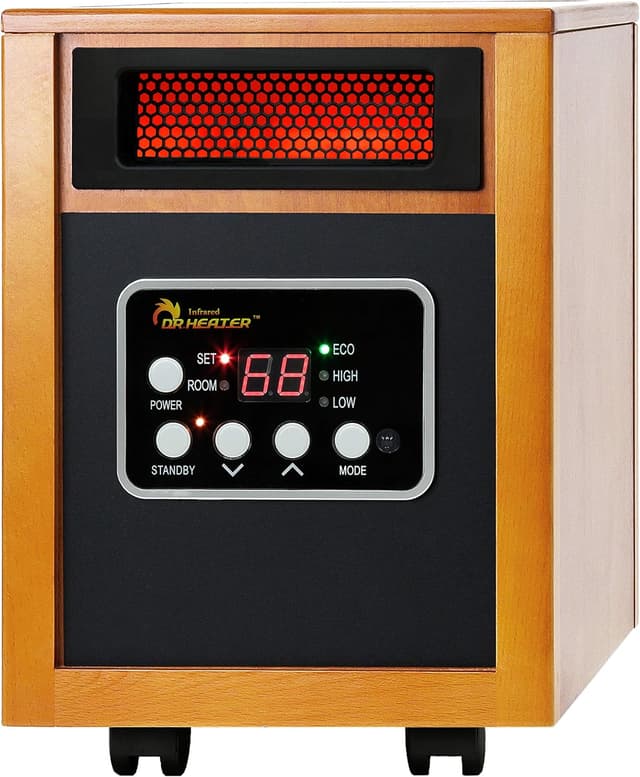
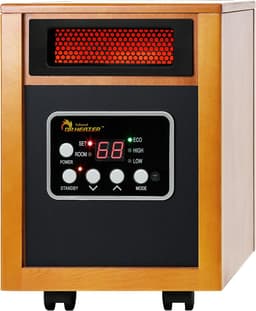
The most-recommended portable 120V heater across the reputable roundups and the best value here. The DR-968 combines infrared quartz and PTC heating with a low-noise blower, an electronic thermostat that holds 50–85°F, a 12-hour auto-shutoff timer, and a remote, on four caster wheels you can push to the workbench. It lacks the wall-mount elegance of the Phoenix and the raw output of the DR-988, but for a small-to-medium garage that needs a heater on hand it wins on capability-per-dollar.
Dual infrared + PTC heating combines fast radiant warmth with room-air circulationElectronic thermostat (50–85°F) actually holds a temperature rather than cycling on/off maxFour caster wheels move it wherever you are working without liftingStill a 1500W 120V heater, so coverage stops well short of a 240V unit'sCabinet takes floor space a wall-mounted infrared does not
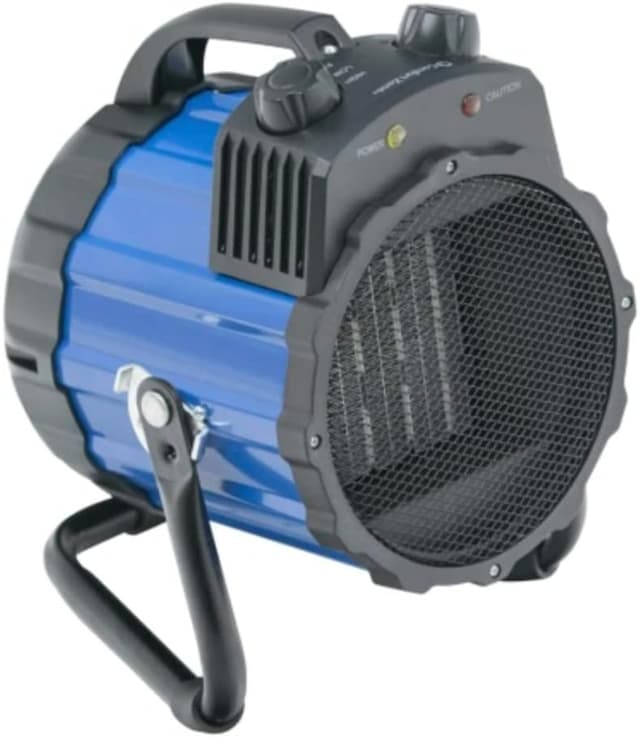
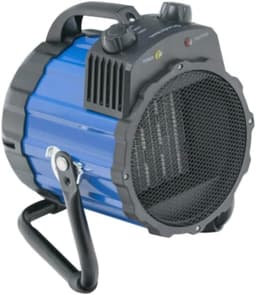
The best sub-$100 pick and the most-owned unit here: nearly 29,000 Amazon ratings averaging 4.2 stars, with Comfort Zone winning multiple Pro Tool Reviews awards as a brand. The CZ285 is a fan-forced ceramic utility heater with an adjustable mechanical thermostat, a pivoting cradle base, an overheat sensor, and an all-metal housing. It has no smart features and its thermostat is less precise than an electronic one, so it ranks below the DR-968 despite its better price. Still, it's the fewest-compromise budget pick you can buy today.
Under $100 with a well-established brand behind it (Pro Tool Reviews multi-award winner)Nearly 29,000 Amazon ratings at 4.2 stars, an unusually deep sample size for confidenceFull metal frame plus overheat sensor makes it safer than most sub-$50 disposable heatersMechanical thermostat is less precise than an electronic oneNo sleep mode, timer, remote, or connectivity
Picking a garage heater is less about brand than about matching four things to the space you actually have. First, decide what your electrical service supports. A 120-volt outlet on a standard circuit tops out around 1500 watts, which is enough for an insulated one- or two-car garage but not for a detached, uninsulated, or larger workshop. If a plug-in heater already keeps your coldest week comfortable, buy one: the Heat Storm Phoenix or Dr. Infrared DR-968 both work off a standard outlet. If it clearly cannot, you either add a dedicated 240-volt circuit for something like the Dr. Infrared DR-988, or you go propane, where the Mr. Heater Big Buddy runs on 1 lb bottles or a 20 lb tank with no wiring at all. Second, size the output to the room. Insulated one-car garages (roughly 200–300 sq ft) are typically fine with 1500W or ~9,000 BTU; two-car garages with insulation need closer to 5,000–5,600W or 18,000 BTU; and uninsulated or 2+-bay spaces effectively require a 240V unit or propane at its highest setting. Cold-climate garages need more than the marketing coverage figure suggests, because uninsulated overhead doors and single-pane windows shed heat faster than square footage alone predicts. Third, weigh the heater type. Infrared (Heat Storm Phoenix, Dr. Infrared) warms objects and people in its beam directly, which feels warm quickly and stays warm even during brief power cycling; forced-air ceramic heaters (Comfort Zone CZ285) circulate warmed air, which is slower to feel but distributes better around obstacles; propane radiant/convection (Big Buddy) warms fast but demands ventilation. Fourth, take safety seriously. A garage is full of fuel, sawdust, and stored solvents. Every pick here has overheat protection and either a tip-over shutoff (electric) or a low-oxygen shutoff (propane), and a garage-mounted carbon monoxide detector is inexpensive insurance if you burn any fuel indoors. Finally, factor in running cost, not just sticker price: a 5,600W 240V unit run continuously in a Zone 6 winter costs meaningfully more per month than a 1500W unit, and propane at the top BTU setting is the most expensive per hour of heat. Match the heater to how you actually use the space and where the outlets and doors are already, not to the biggest number in the specs list. TopsFive does not test heaters in-house; our rankings are built from published manufacturer specifications, independent expert reviews (Bob Vila's tested picks, Pro Tool Reviews, HVAC Training 101, Garage Gym Reviews), and verified owner feedback on quiet operation, real-world coverage, and long-run reliability.
Rankings are built from published manufacturer specifications, independent expert roundups (including Bob Vila's tested picks, Pro Tool Reviews, findingdulcinea, HVAC Training 101, and Garage Gym Reviews' garage-gym pieces), and verified owner feedback on quiet operation, real-world coverage, and long-run reliability, cross-checked against current retailer listings for pricing and availability. TopsFive does not test heaters in-house. Because a garage heater has to match the space's electrical service and use pattern, not just its square footage, we weight heating power for typical garage sizes most heavily, followed by warm-up speed and effective coverage, then installation and portability, safety features, running cost and efficiency, and finally sticker value.
Heating Power for Garage Size
BTU or watt output matched to typical garage square footage and insulation
30%
Warm-Up Speed & Coverage
How quickly it produces usable warmth and how evenly it covers the space
20%
Installation & Portability
Wiring requirements, wall/ceiling mounting, and how easily it moves between bays
15%
Safety Features
Tip-over shutoff, overheat cutoff, low-oxygen shutoff (propane), and housing safety around stored gear
15%
Running Cost & Efficiency
Cost per hour to run at typical settings and standby efficiency
10%
Value
Purchase price relative to output, features, and durability
Can a 1500W plug-in heater actually warm a garage?
For an insulated one- or two-car garage, yes: the Heat Storm Phoenix and Dr. Infrared DR-968 both plug into a standard 120V outlet and cover typical single-bay to small two-bay spaces. What a 1500W heater cannot do is outrun a detached, uninsulated, or larger-than-two-car garage in cold weather; for those spaces you need a 240V unit like the DR-988 or a propane heater like the Big Buddy. Insulation is a bigger factor than most buyers expect: an uninsulated garage door alone can undo more heat than a 1500W element produces on the coldest days.
Is it safe to run a propane heater like the Big Buddy inside a garage?
It can be, but only with active ventilation. The MH18B is rated by Mr. Heater for indoor use and includes an automatic low-oxygen shut-off (ODS) that trips before the surrounding air becomes dangerous, plus a tip-over cutoff. In practice that means cracking a garage door or a window while the heater runs, keeping combustibles well clear of the front, and never operating it in a fully sealed space. A carbon monoxide detector in the garage is inexpensive insurance that every propane owner should have.
Do I really need a 240V hardwired heater?
Only if a 120V plug-in cannot keep up. A dedicated 240V circuit lets a unit like the Dr. Infrared DR-988 pull roughly four times the power of a 1500W plug-in from the same physical footprint, which is what a 2+-car, uninsulated, or detached garage in a cold climate typically needs. If a 120V heater already holds a comfortable working temperature during your coldest week, you do not need to add wiring. If it clearly cannot, hire an electrician: a NEMA 6-30R outlet and 30-amp double-pole breaker is a standard job.
How much does running a garage heater actually cost?
For rough planning: a 1500W electric heater running continuously costs about 1500W × your electric rate per kWh per hour (at $0.17/kWh that's roughly $0.26 per hour). A 5,600W 240V unit like the DR-988 is about $0.95 per hour at the same rate, but it usually cycles rather than runs continuously once the space is up to temperature. The Big Buddy at 18,000 BTU burns roughly one pound of propane per hour, which at $4–5 per 1 lb bottle is significantly more expensive per hour than electric, which is why propane wins on portability and no-wiring rather than running cost.
Which of these heaters is quietest for working near?
The Heat Storm Phoenix is the quietest of the five: it's a passive infrared panel with only a small internal fan for housing cooling, so most of its heat is silent radiant output. The Dr. Infrared DR-968 is next, with a low-noise blower reviewers describe as workbench-tolerable. The DR-988, the Comfort Zone CZ285, and the Big Buddy all use fan-forced or convection airflow that is noticeably louder, which is fine for shop work but less pleasant for detailed benchwork or reading in the garage.