Best Yoga Mats 2026

Non-slip mats for yoga, stretching, and floor exercises.

Last updated: March 7, 20265 products tested

Our Top Picks

Best OverallManduka PRO Yoga Mat

Manduka PRO Yoga Mat

Manduka

View details →
Best PremiumLiforme Original Yoga Mat

Liforme Original Yoga Mat

Liforme

View details →
Best ValueIUGA Pro Yoga Mat Non Slip (5mm)

IUGA Pro Yoga Mat Non Slip (5mm)

IUGA

View details →

Full Rankings

#1
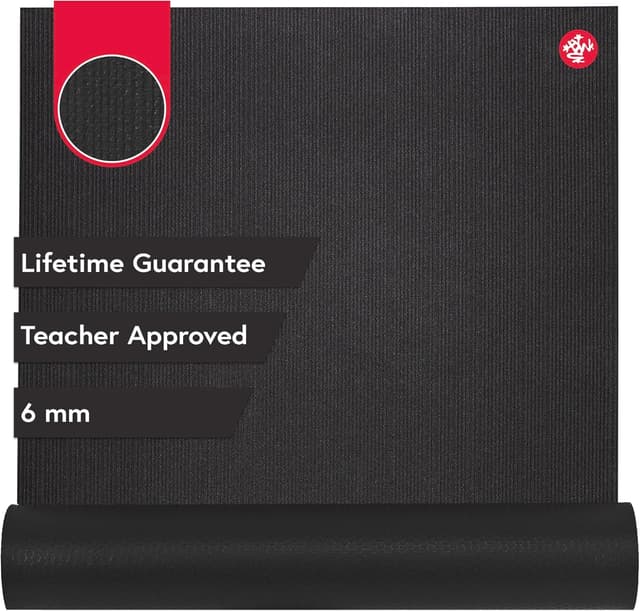
Manduka PRO Yoga Mat

Manduka PRO Yoga Mat

Best Overall

The lifetime yoga mat—6mm ultra-dense cushioning with closed-cell construction that never absorbs sweat. OutdoorGearLab's 'Best Overall' with testers reporting ~20-year lifespans and a lifetime warranty backing it up.

Pros

  • Lifetime warranty
  • 6mm ultra-dense cushioning
  • Closed-cell (won't absorb sweat)

Cons

  • Heavy (7.5 lbs)
  • PVC material (less eco-friendly)
  • Requires break-in period
#2
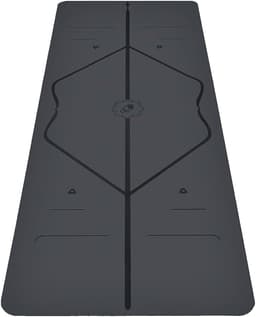
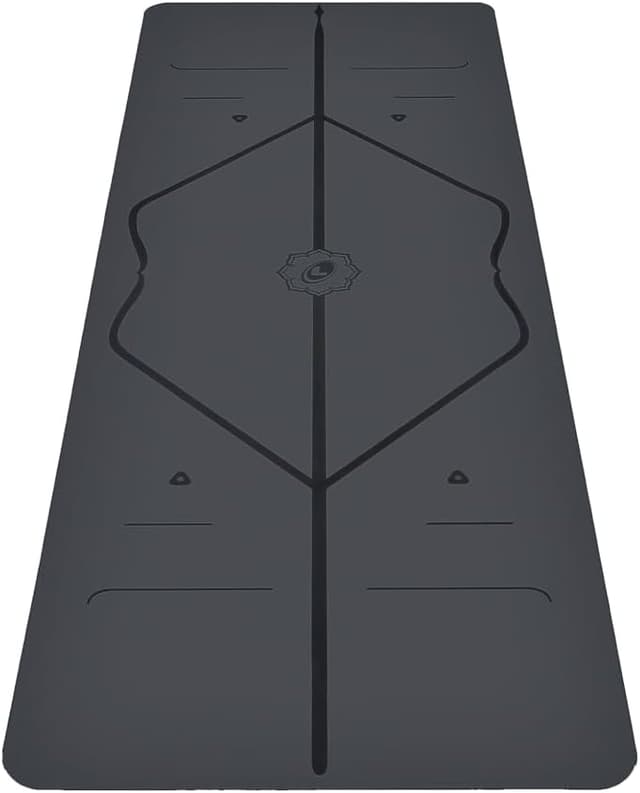
Liforme Original Yoga Mat

Liforme Original Yoga Mat

Best Premium

GripForMe surface 'sticks like a gecko' (OutdoorGearLab) with built-in alignment system. Eco-polyurethane + rubber construction is planet-friendly—but at $160 the value case depends on exploiting the alignment and grip features.

Pros

  • GripForMe surface (gecko-like grip)
  • Built-in alignment system
  • Eco-polyurethane + rubber

Cons

  • Premium price ($160)
  • Thinner than cushion-first mats (4.2mm)
  • Unspecified warranty
#3
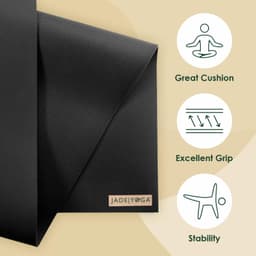
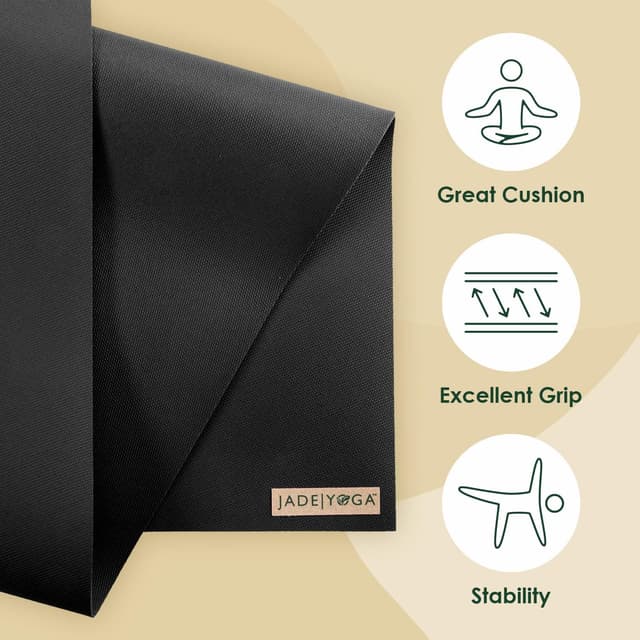
Jade Harmony Professional Yoga Mat

Jade Harmony Professional Yoga Mat

Natural open-cell rubber delivers 'super grippy' traction (Tom's Guide). PVC-free, made in USA, tree planted per mat—strongest eco posture in the group. Smaller 68" x 24" size and harder to clean are the tradeoffs.

Pros

  • Super grippy natural rubber
  • Tree planted per mat
  • Made in USA

Cons

  • Rubber smell initially
  • Open-cell absorbs sweat (harder to clean)
  • Smaller standard size (68" x 24")
#4
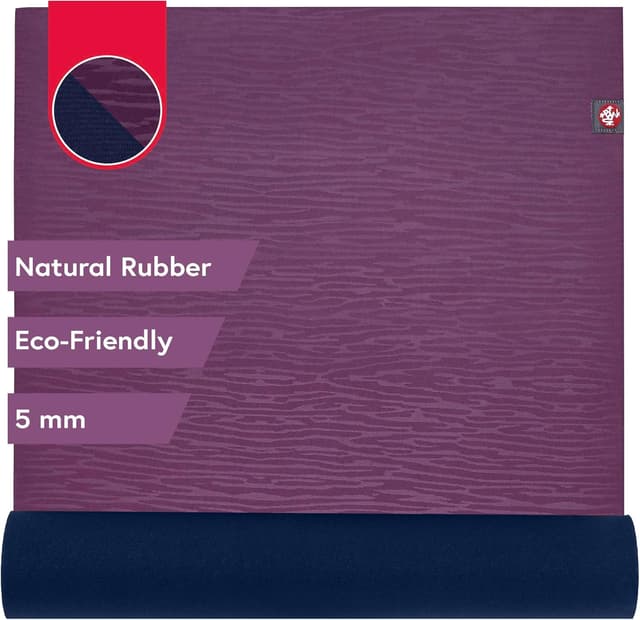
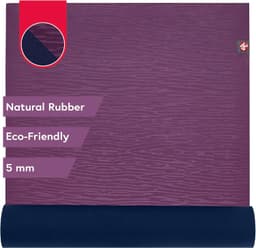
Manduka eKO Yoga Mat (5mm Natural Rubber)

Manduka eKO Yoga Mat (5mm Natural Rubber)

Natural tree rubber with Rippled Catch-Grip design at $100—the eco-friendly Manduka without the PRO's price or PVC. Biodegradable material means 3-6 year lifespan vs the PRO's lifetime, but strong grip and cushioning.

Pros

  • 100% natural tree rubber
  • Rippled Catch-Grip texture
  • Biodegradable material

Cons

  • No lifetime warranty (rubber degrades)
  • Heavier than budget mats (6.2 lbs)
  • 3-6 year lifespan with vigorous daily use
#5
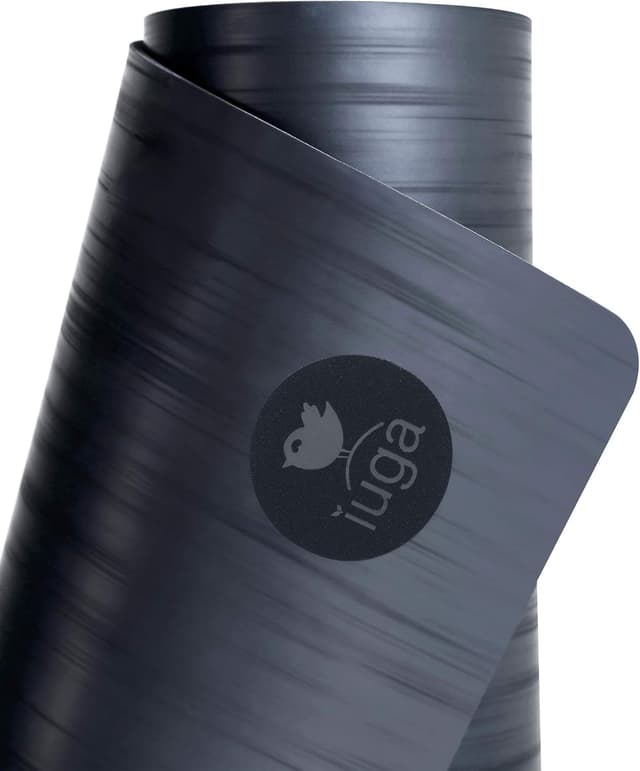
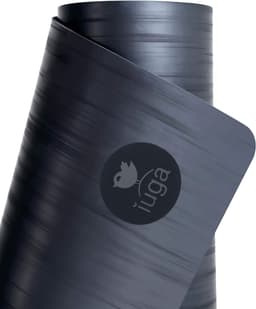
IUGA Pro Yoga Mat Non Slip (5mm)

IUGA Pro Yoga Mat Non Slip (5mm)

Best Value

OutdoorGearLab's 'Great Value for Versatility'—excellent zero-slippage grip wet and dry, 5mm cushioning, and just 2.5 lbs at $67. Open-cell PU construction means shorter lifespan but unbeatable performance per dollar.

Pros

  • Excellent wet + dry grip
  • Ultra-lightweight (2.5 lbs)
  • Anti-tear mesh middle layer

Cons

  • Open-cell construction = shorter lifespan
  • Polyurethane less eco than natural rubber
  • Unspecified warranty

Score Comparison

Product
Grip
35%
Cushioning
25%
Durability
20%
Eco-Friendliness
10%
Value
10%
Weighted
Score
Price
#1Manduka PRO Yoga Mat
81010788.80$144
#2Liforme Original Yoga Mat
1089978.90$164
#3Jade Harmony Professional Yoga Mat
9881078.45$119
#4Manduka eKO Yoga Mat (5mm Natural Rubber)
998978.60$114
#5IUGA Pro Yoga Mat Non Slip (5mm)
998898.70$59

Buying Guide

Mat thickness affects cushioning (4-6mm is the sweet spot); material drives grip and eco-friendliness. PVC is most durable, natural rubber has best grip, and PU absorbs sweat for hot yoga. Consider weight for portability and warranty for long-term value.

What We Evaluate

35%

Grip

Non-slip performance

25%

Cushioning

Joint protection

20%

Durability

Material longevity

10%

Eco-Friendliness

Sustainable materials

10%

Value

Quality per dollar

Our Testing Methodology

We evaluate yoga mats for grip (wet + dry stability), cushioning (joint protection and thickness), durability (material longevity and warranty), eco-friendliness (material safety and sustainability claims), and value. Specs verified across Amazon listings, OutdoorGearLab, and Tom's Guide.

Learn more about how we test →

Frequently Asked Questions

How thick should my yoga mat be?
4-5mm is the all-around sweet spot. 6mm (Manduka PRO) for maximum joint protection. Thinner mats (3-4mm) offer better balance and stability for standing poses.
PVC vs natural rubber vs polyurethane?
PVC (Manduka PRO) is most durable with a lifetime warranty. Natural rubber (Jade, Manduka eKO) has excellent grip and is eco-friendly but degrades faster. Polyurethane (IUGA, Liforme) absorbs sweat for superior wet grip but has shorter lifespans.
Why does my new mat slip?
Many mats need break-in time. Manduka PRO grip improves significantly with use—scrub with salt water to accelerate. Natural rubber and PU mats are typically grippy from day one.

Related Comparisons