Sony WH-1000XM5 vs Sennheiser HDB 630
Sony WH-1000XM5 (#3, best value) vs Sennheiser HDB 630 (#5): in our Over-ear Wireless Headphones for Music scoring the Sony WH-1000XM5 totals 8.8/10 and the Sennheiser HDB 630 8.4/10, the Sony WH-1000XM5 leading on ANC Performance and Value and the Sennheiser HDB 630 on Sound Quality.
We may earn a commission when you buy through our links.
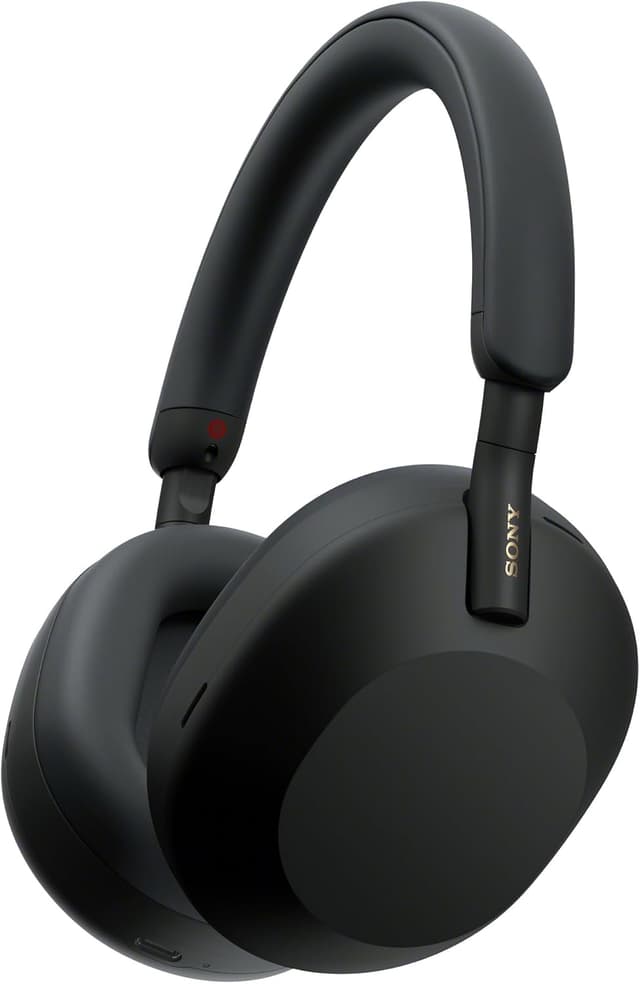
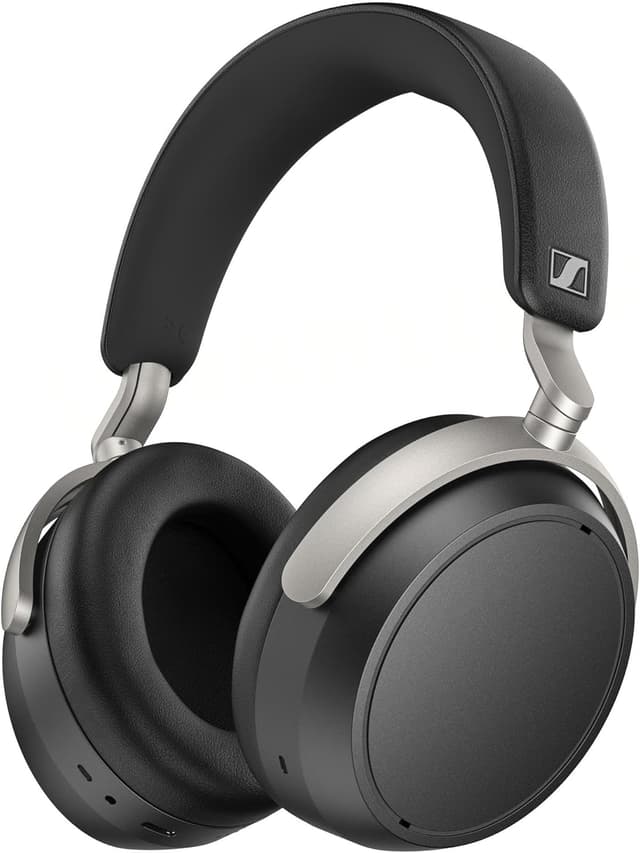
TopsFive comparison scores
Side by side
| Sony WH-1000XM5 | Sennheiser HDB 630 | |
|---|---|---|
| Driver Size | 30mm carbon fiber composite dome | 42mm dynamic |
| Connectivity | Bluetooth 5.2 with LDAC | Bluetooth 5.2 with aptX Adaptive, USB dongle |
| ANC | Integrated Processor V1 + QN1, 8 microphones | Adaptive noise cancellation |
| Weight | ~250g | 325g |
| Battery | 30 hours with ANC, 40 hours ANC off | Up to 60 hours with ANC |
| Codecs | SBC, AAC, LDAC | — |
| Multipoint | Yes (2 devices) | — |
| Fast Charging | 3 min for up to 3 hours (USB PD) | — |
| Foldable | No (earcups swivel flat) | — |
| Wired Audio | 3.5mm cable included | — |
| Price | Check price → | Check price → |
How they differ in real use
Built from our over ear wireless scoring, each product's published specifications, and verified owner feedback — not hands-on testing.
Both the Sony WH-1000XM5 and the Sennheiser HDB 630 made our Top 5 Over-ear Wireless Headphones for Music, at #3 (best value) and #5. The best value here and the predecessor most buyers cross-shop against the XM6. It keeps the same 30-hour ANC battery, LDAC and two-device multipoint, and its two-processor, eight-microphone noise cancelling still ranks among the strongest available, which is why it places above the audiophile-tuned Px8 S2 and HDB 630 on this ANC-weighted list. It sits below the XM6 and Bose QC Ultra because their noise cancelling and call quality are a clear step ahead and the XM5 does not fold for travel, but since the XM6 launched it has sold for far less, delivering most of the flagship experience for the money. Compelling choice for sound purists with powerful dynamics and hi-fi tuning rivaling much more expensive models. Advanced Bluetooth codecs with dongle support deliver smooth tonal balance.
We score over-ear wireless headphones for music on Sound Quality (30%), ANC Performance (25%), Comfort (20%), Battery Life (15%) and Value (10%). On that basis the Sony WH-1000XM5 totals 8.8 out of 10 and the Sennheiser HDB 630 8.4. The widest gap is ANC Performance, where the Sony WH-1000XM5 scores 8.8 against 7.5 for the Sennheiser HDB 630: noise cancellation effectiveness. Sound Quality also separates them: 9.5 for the Sennheiser HDB 630 versus 8.5 for the Sony WH-1000XM5.
On paper, the specifications that actually differ: Driver Size: 30mm carbon fiber composite dome on the Sony WH-1000XM5 versus 42mm dynamic on the Sennheiser HDB 630; Connectivity: Bluetooth 5.2 with LDAC on the Sony WH-1000XM5 versus Bluetooth 5.2 with aptX Adaptive, USB dongle on the Sennheiser HDB 630; ANC: Integrated Processor V1 + QN1, 8 microphones on the Sony WH-1000XM5 versus Adaptive noise cancellation on the Sennheiser HDB 630; Weight: ~250g on the Sony WH-1000XM5 versus 325g on the Sennheiser HDB 630; Battery: 30 hours with ANC, 40 hours ANC off on the Sony WH-1000XM5 versus Up to 60 hours with ANC on the Sennheiser HDB 630.
Check current pricing at the merchant links below. Owners praise the Sony WH-1000XM5 for two processors and eight microphones deliver ANC that still ranks among the best available and lightweight ~250g build with a soft, low-pressure fit for long sessions; the most common complaint is ANC and call quality trail the newer WH-1000XM6 and Bose QC Ultra. Owners praise the Sennheiser HDB 630 for hi-fi tuning rivals wired models and advanced Bluetooth codecs with dongle; the most common complaint is premium price at $500.
Sony WH-1000XM5
- Two processors and eight microphones deliver ANC that still ranks among the best available
- Lightweight ~250g build with a soft, low-pressure fit for long sessions
- LDAC hi-res Bluetooth plus two-device multipoint
- 30 hours with ANC (40 hours off), and a 3-minute charge adds up to 3 hours
- ANC and call quality trail the newer WH-1000XM6 and Bose QC Ultra
- Earcups swivel flat but do not fold, so the carry case is bulky
- No aptX support and no audio over USB-C
Sennheiser HDB 630
- Hi-fi tuning rivals wired models
- Advanced Bluetooth codecs with dongle
- Smooth tonal balance
- Long playtime
- Premium price at $500
- ANC not as strong as Sony/Bose
- Bulkier design
Which should you buy?
The Sony WH-1000XM5 is the better fit for buyers who want flagship-class ANC for less and commuters and frequent flyers; it is the higher-scoring pick here, chiefly for ANC Performance and Value. The Sennheiser HDB 630 is the better fit for audiophiles focused on musical fidelity and sound purists wanting wireless, and the stronger choice if Sound Quality matters more to you than the overall score. The Sony WH-1000XM5 is a poor fit for travelers who need a compact folding design; the Sennheiser HDB 630 is a poor fit for ANC priority buyers.
Choose the Sony WH-1000XM5 if
- Buyers who want flagship-class ANC for less
- Commuters and frequent flyers
- Android listeners who can use LDAC
Skip it if
- Travelers who need a compact folding design
- Buyers who want the strongest ANC available
Choose the Sennheiser HDB 630 if
- Audiophiles focused on musical fidelity
- Sound purists wanting wireless
- Those valuing tonal accuracy
Skip it if
- ANC priority buyers
- Budget shoppers
Common questions
Is the Sony WH-1000XM5 better than the Sennheiser HDB 630?
In our Over-ear Wireless Headphones for Music ranking the Sony WH-1000XM5 scores higher overall, 8.8 to 8.4, with the biggest advantage in ANC Performance. The Sennheiser HDB 630 is stronger on Sound Quality, so it is the better pick if that matters most to you.
What is the main difference between the Sony WH-1000XM5 and the Sennheiser HDB 630?
The headline spec difference is Driver Size: 30mm carbon fiber composite dome on the Sony WH-1000XM5 versus 42mm dynamic on the Sennheiser HDB 630. In use, the gap that matters most is ANC Performance (8.8 vs 7.5 in our scoring): noise cancellation effectiveness.