RingConn Gen 3 vs RingConn Gen 2
The RingConn Gen 3 adds a vibration motor, vascular trend insights, a size 15 and up to two more days of rated battery to the Gen 2, but both rings share the same core sensors and sleep apnea insights, and neither charges a subscription.
We may earn a commission when you buy through our links.
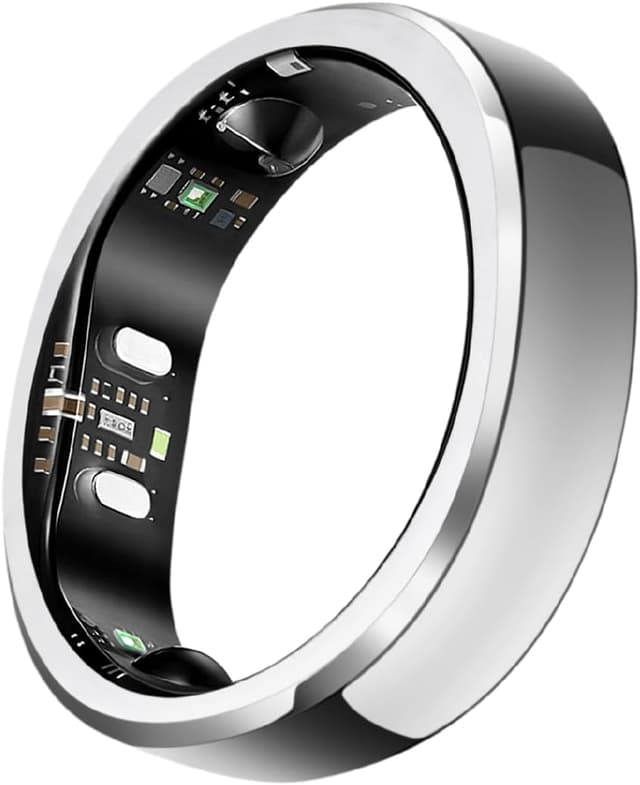
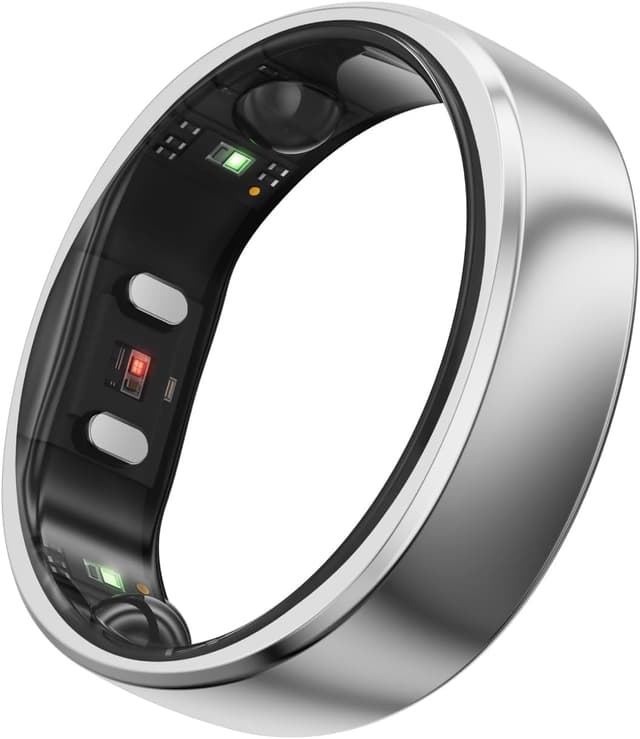
TopsFive comparison scores
Side by side
| RingConn Gen 3 | RingConn Gen 2 | |
|---|---|---|
| Rated Battery | 10-12 days (vibration on), up to 14 days (off) | 10-12 days |
| Charging | Portable charging case (about 150 days of top-ups) | Portable charging case (about 150 days of top-ups) |
| Weight | 2.5-3.5 g | 2-3 g |
| Thickness / Width | 2.3 mm / 6.8 mm | 2.0 mm / 6.8 mm |
| Material | Titanium shell, epoxy resin inner | Titanium alloy, epoxy resin inner |
| Water Resistance | IP68 | IP68 (100 m) |
| Sizes | 6-15 | 6-14 |
| Phone Compatibility | iPhone and Android | iPhone and Android |
| Sleep Apnea Insights | Yes | Yes |
| Price | Check price → | Check price → |
How they differ in real use
These two rings are closer than the generation gap suggests. Both use the same core sensor set (optical heart rate and SpO2, skin temperature and a 3-axis accelerometer), both track sleep stages, HRV, stress and cycles, and both offer RingConn's sleep apnea pattern insights built on high-frequency overnight blood oxygen readings. Both also come with a portable charging case that holds roughly 150 days of top-ups, both are IP68 rated, and both work with iPhone and Android with every feature free. The Gen 3's additions are specific. A vibration motor delivers health reminders, such as inactivity and stress nudges, though RingConn says it does not buzz for phone messages. Vascular insights report nightly blood-pressure trends after you calibrate against a home cuff; these are wellness trends, not medical readings. RingConn rates the Gen 3 at 10-12 days with vibration on and up to 14 days with it off, against 10-12 days for the Gen 2, and Trusted Reviews singled out the Gen 3's battery life as a highlight. The costs are physical and financial: the Gen 3 is about 0.3 mm thicker (2.3 mm vs 2.0 mm) and slightly heavier, and it lists for about $50 more, while the Gen 2 has been discounted regularly since the Gen 3 arrived. Size ranges differ by one: 6-15 on the Gen 3, 6-14 on the Gen 2.
RingConn Gen 3
- Longest rated battery here: 10-12 days with vibration on, up to 14 days with it off
- Only ring in this list with a vibration motor, used for health reminders such as inactivity and stress nudges
- Adds vascular trend insights on top of the Gen 2's sleep apnea pattern tracking, with no paid tier
- Works with both iPhone and Android, in sizes 6 to 15
- Vascular readings are wellness trends calibrated against a cuff, not medical blood-pressure measurements
- About 0.3 mm thicker than the Gen 2, and its list price is about $50 higher
- Vibration covers health reminders only, not phone notifications
RingConn Gen 2
- Sleep apnea risk assessment with high-frequency overnight SpO2, the same apnea insights as the Gen 3
- Slimmest and lightest ring here: 2.0 mm thick, 2-3 g
- 10-12 day rated battery plus a charging case that holds about 150 days of top-ups
- No subscription, and works with iPhone and Android
- No vibration motor and no vascular trend insights, both Gen 3 additions
- Sizes stop at 14, one fewer than the Gen 3
Which should you buy?
Buy the Gen 3 if you want haptic reminders, vascular trend tracking, the longest battery rating or a size 15. Buy the Gen 2 if your priority is sleep and sleep apnea tracking: it delivers the same core data and apnea insights in the thinnest, lightest ring RingConn sells, usually for less. Owners of a working Gen 2 gain little by upgrading unless vibration or vascular insights matter to them.
Choose the RingConn Gen 3 if
- Anyone leaving Oura over its subscription
- Two-week battery life
- Mixed iPhone and Android households
Skip it if
- Buyers who want message or call alerts on the ring
- Samsung Galaxy owners who want phone gesture controls
Choose the RingConn Gen 2 if
- Sleep apnea screening on a budget
- The thinnest, lightest ring
- Buyers who don't need vibration alerts
Skip it if
- Buyers who want haptic reminders
- Size 15 fingers
Common questions
Does the RingConn Gen 2 have sleep apnea monitoring like the Gen 3?
Yes. Both rings estimate obstructive sleep apnea risk from overnight blood oxygen dips; the feature first launched on the Gen 2. It is the cheaper Gen 2 Air that leaves it out. Either ring's result is a screening signal, not a diagnosis.
Can the RingConn Gen 3 vibrate for calls and texts?
No. RingConn says the Gen 3's vibration motor is for health alerts and reminders, such as inactivity and stress nudges, not phone notifications. The Gen 2 has no vibration motor at all.
Is the Gen 3 more accurate than the Gen 2?
The two use the same core sensor types, and reviewers have not reported a meaningful accuracy gap for sleep, heart rate or HRV. The Gen 3's advantages are new features and battery life rather than better core readings, and Smart Ring HQ notes the Gen 3 still trails the subscription-based Oura Ring on sleep staging.