Optoma UHD38x vs Nebula Cosmos 4K SE
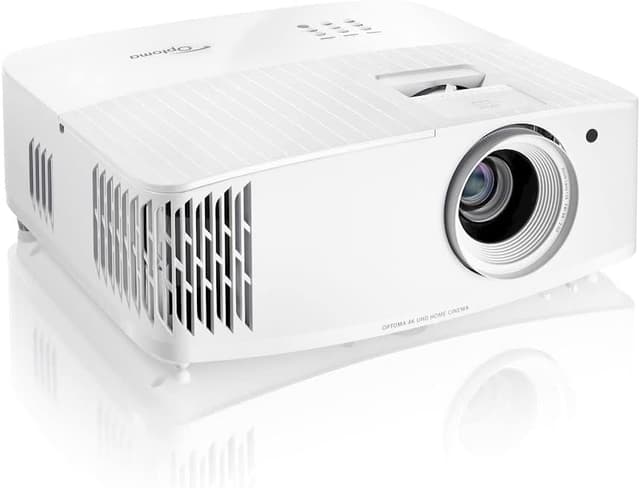
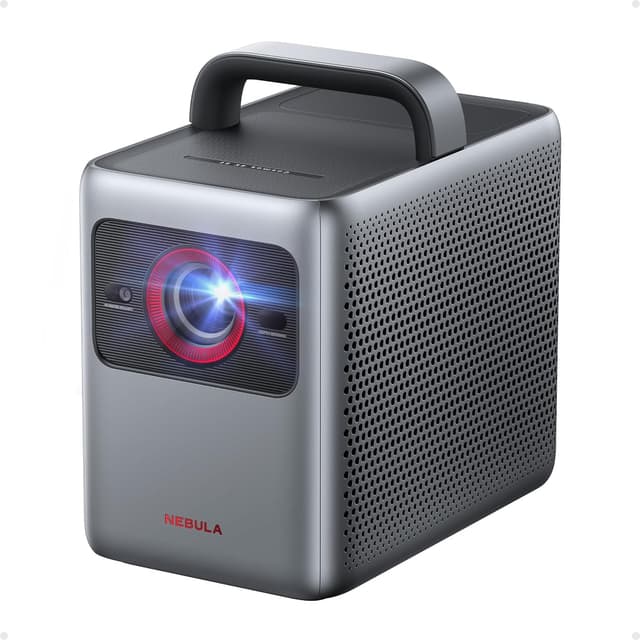
Optoma UHD38x (#2, best value) vs Nebula Cosmos 4K SE (#4): in our Projectors for PS5 scoring the Optoma UHD38x totals 8.7/10 and the Nebula Cosmos 4K SE 7.8/10.
We may earn a commission when you buy through our links.
TopsFive comparison scores
Side by side
| Optoma UHD38x | Nebula Cosmos 4K SE | |
|---|---|---|
| Resolution | 4K UHD (3840 x 2160, DLP XPR) | 4K UHD (3840 x 2160) |
| Rated Brightness | 4,000 ANSI lumens | 1,800 ANSI lumens |
| Light Source | Lamp (240W) | HybridBeam LED + laser |
| Light Source Life | 4,000 hours bright mode; up to 15,000 hours Dynamic | 25,000 hours |
| Input Lag at 4K/60Hz | About 16.7 ms | About 18.5 ms in Game Mode Extreme (TechRadar); 35 ms in standard game mode |
| Fastest Game Mode | 1080p/240Hz at about 4.2 ms (Enhanced Gaming Mode) | Game Mode Extreme at about 18.5 ms |
| Throw / Placement | Standard throw, 1.1x zoom; about 13.1 ft for a 120-inch image | Standard throw, auto focus/keystone/screen fit; 20–200 in |
| HDR Formats | HDR10, HLG | Dolby Vision, HDR10 |
| Smart Platform | None (use a streaming stick or the PS5 apps) | Google TV with licensed Netflix (built in) |
| Price | Check price → | Check price → |
How they differ in real use
Built from our projectors for ps5 scoring, each product's published specifications, and verified owner feedback — not hands-on testing.
Both the Optoma UHD38x and the Nebula Cosmos 4K SE made our Top 5 Projectors for PS5, at #2 (best value) and #4. The best price for real 4K PS5 gaming: about $999 buys the same 16.7 ms 4K/60Hz lag as the X3100i, a 4.2 ms 1080p/240Hz mode, and 4,000 ANSI lumens, the brightest rating in this list. It ranks below the X3100i because it uses a lamp, has no lens shift or smart platform, and needs about 13 ft for a 120-inch image, and above the X500i because it is 1,800 lumens brighter for about $500 less. The best pick when films matter as much as games: it is the only projector here with Dolby Vision and built-in Google TV with licensed Netflix, and its automatic focus, keystone and screen fit make setup quicker than any BenQ or Optoma here. It ranks fourth because TechRadar measured 18.5 ms only in Game Mode Extreme (35 ms in standard game mode), it has no 120Hz mode, and its 1,800 lumens are the lowest in the list.
We score projectors for ps5 on Gaming Responsiveness (25%), Picture Quality (20%), Brightness (15%), Room Fit & Setup (15%), Smart Features & Audio (10%) and Value (15%). On that basis the Optoma UHD38x totals 8.7 out of 10 and the Nebula Cosmos 4K SE 7.8. The widest gap is Gaming Responsiveness, where the Optoma UHD38x scores 9.5 against 7 for the Nebula Cosmos 4K SE: published input lag at 4K/60Hz (the PS5's Fidelity mode) first, then support and lag for the console's 1080p/120Hz Performance mode. Brightness also separates them: 9.5 for the Optoma UHD38x versus 6.5 for the Nebula Cosmos 4K SE. The Nebula Cosmos 4K SE claws back ground on Smart Features & Audio and Room Fit & Setup.
On paper, the specifications that actually differ: Resolution: 4K UHD (3840 x 2160, DLP XPR) on the Optoma UHD38x versus 4K UHD (3840 x 2160) on the Nebula Cosmos 4K SE; Brightness: 4,000 ANSI lumens on the Optoma UHD38x versus 1,800 ANSI lumens on the Nebula Cosmos 4K SE; Light Source: Lamp (240W) on the Optoma UHD38x versus HybridBeam LED + laser on the Nebula Cosmos 4K SE; Light Source Life: 4,000 hours bright mode; up to 15,000 hours Dynamic on the Optoma UHD38x versus 25,000 hours on the Nebula Cosmos 4K SE; Input Lag (4K/60Hz): About 16.7 ms on the Optoma UHD38x versus About 18.5 ms in Game Mode Extreme (TechRadar); 35 ms in standard game mode on the Nebula Cosmos 4K SE; Fastest Game Mode: 1080p/240Hz at about 4.2 ms (Enhanced Gaming Mode) on the Optoma UHD38x versus Game Mode Extreme at about 18.5 ms on the Nebula Cosmos 4K SE.
Check current pricing at the merchant links below. Owners praise the Optoma UHD38x for 4,000 ANSI lumens, the highest brightness rating here, so it copes best with some room light and 16.7 ms at 4K/60Hz and 4.2 ms at 1080p/240Hz in Enhanced Gaming Mode, matching projectors that cost far more; the most common complaint is lamp light source, rated 4,000 hours in bright mode (up to 15,000 in Dynamic/Eco), so a replacement lamp is a running cost. Owners praise the Nebula Cosmos 4K SE for dolby Vision and HDR10, the only pick here with Dolby Vision for streaming films and google TV with licensed 4K Netflix built in, no dongle needed; the most common complaint is input lag is 18.5 ms only in Game Mode Extreme; TechRadar measured 35 ms in the standard game mode.
Optoma UHD38x
- 4,000 ANSI lumens, the highest brightness rating here, so it copes best with some room light
- 16.7 ms at 4K/60Hz and 4.2 ms at 1080p/240Hz in Enhanced Gaming Mode, matching projectors that cost far more
- About $999 on Amazon, the lowest price for a 4K projector with 120Hz-capable game modes in this list
- HDR10 and HLG support for PS5 HDR games
- Lamp light source, rated 4,000 hours in bright mode (up to 15,000 in Dynamic/Eco), so a replacement lamp is a running cost
- No smart platform: streaming needs a separate stick or the PS5's own apps
- Long throw (about 13 ft for a 120-inch image) and no lens shift, so it needs a deep room
Nebula Cosmos 4K SE
- Dolby Vision and HDR10, the only pick here with Dolby Vision for streaming films
- Google TV with licensed 4K Netflix built in, no dongle needed
- Automatic focus, keystone, screen fit and obstacle avoidance make setup the quickest in this list
- Portable 9.9 lb chassis with a handle; HybridBeam light source rated for 25,000 hours
- Input lag is 18.5 ms only in Game Mode Extreme; TechRadar measured 35 ms in the standard game mode
- 1,800 ANSI lumens is the lowest rating here, and TechRadar's brightness measurement was underwhelming
Which should you buy?
The Optoma UHD38x is the better fit for PS5 owners who want 4K/60 gaming for about $1,000 and rooms with some ambient light; it is the higher-scoring pick here, chiefly for Gaming Responsiveness and Brightness. The Nebula Cosmos 4K SE is the better fit for households that watch as many films as they play games and moving the projector between rooms, and the stronger choice if Smart Features & Audio and Room Fit & Setup matter more to you than the overall score. The Optoma UHD38x is a poor fit for small rooms under about 12 ft deep; the Nebula Cosmos 4K SE is a poor fit for competitive online shooters.
Choose the Optoma UHD38x if
- PS5 owners who want 4K/60 gaming for about $1,000
- Rooms with some ambient light
- Players who already stream through the console
Skip it if
- Small rooms under about 12 ft deep
- Buyers who want built-in Netflix and YouTube
Choose the Nebula Cosmos 4K SE if
- Households that watch as many films as they play games
- Moving the projector between rooms
- Buyers who want streaming apps built in
Skip it if
- Competitive online shooters
- Rooms with ambient light
Common questions
Is the Optoma UHD38x better than the Nebula Cosmos 4K SE?
In our Projectors for PS5 ranking the Optoma UHD38x scores higher overall, 8.7 to 7.8, with the biggest advantage in Gaming Responsiveness. The Nebula Cosmos 4K SE is stronger on Smart Features & Audio and Room Fit & Setup, so it is the better pick if those matter most to you.
What is the main difference between the Optoma UHD38x and the Nebula Cosmos 4K SE?
The headline spec difference is Resolution: 4K UHD (3840 x 2160, DLP XPR) on the Optoma UHD38x versus 4K UHD (3840 x 2160) on the Nebula Cosmos 4K SE. In use, the gap that matters most is Gaming Responsiveness (9.5 vs 7 in our scoring): published input lag at 4K/60Hz (the PS5's Fidelity mode) first, then support and lag for the console's 1080p/120Hz Performance mode.