Lenovo Legion Pro 7 16IAX10H vs ASUS ROG Zephyrus G14 (2025)
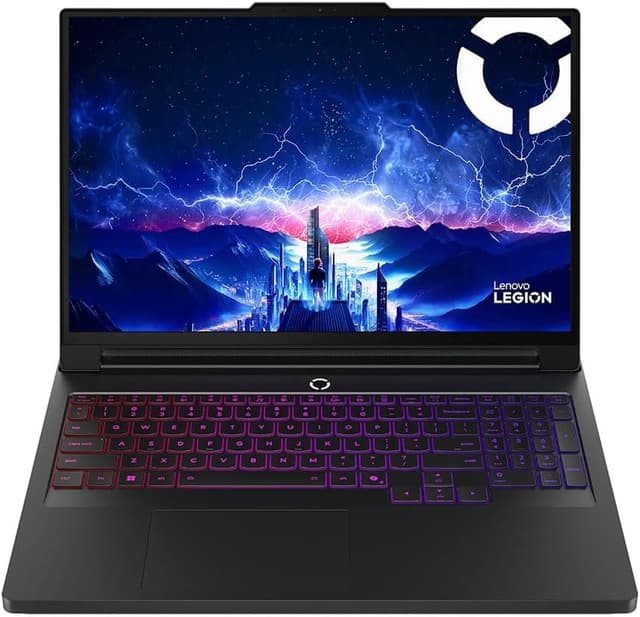
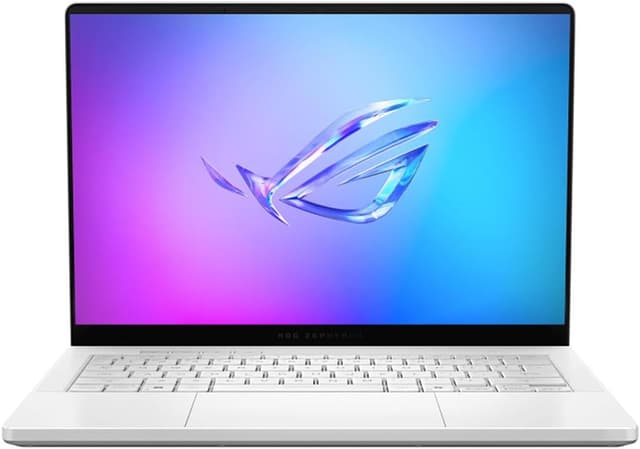
Lenovo Legion Pro 7 16IAX10H (#1, best overall) vs ASUS ROG Zephyrus G14 (2025) (#3): in our Gaming Laptops scoring the Lenovo Legion Pro 7 16IAX10H totals 9.4/10 and the ASUS ROG Zephyrus G14 (2025) 8.8/10.
We may earn a commission when you buy through our links.
TopsFive comparison scores
Side by side
| Lenovo Legion Pro 7 16IAX10H | ASUS ROG Zephyrus G14 (2025) | |
|---|---|---|
| OS | Windows 11 | Windows 11 Pro |
| Processor | Intel Core Ultra 9 275HX | AMD Ryzen AI 9 HX 370 |
| RAM | 32GB DDR5-6400 | 32GB LPDDR5X-8000 |
| Storage | 2TB SSD (2x 1TB) | 2TB SSD |
| GPU | NVIDIA RTX 5070 Ti | NVIDIA RTX 5070 Ti (up to 110W) |
| VRAM | 12GB GDDR7 | 12GB GDDR7 |
| Display | 16" OLED 240Hz 2560x1600 | 14" 3K OLED 120Hz 2880x1800 |
| Weight | 5.9 lbs | 3.46 lbs |
| Battery | — | 73Wh |
| Ports | — | 1x USB4 (40Gbps), 1x USB-C 3.2 Gen 2, 2x USB-A 3.2 Gen 2, microSD (UHS-II) |
| Price | Check price → | Check price → |
How they differ in real use
Built from our gaming laptops scoring, each product's published specifications, and verified owner feedback — not hands-on testing.
Both the Lenovo Legion Pro 7 16IAX10H and the ASUS ROG Zephyrus G14 (2025) made our Top 5 Gaming Laptops, at #1 (best overall) and #3. The Legion Pro 7 takes the top slot because it prioritizes sustained performance, high-end GPU power, and a fast OLED display over thin-and-light compromises. The 2025 Zephyrus G14 remains the best balance of gaming power and portability: its RTX 5070 Ti (up to 110W) and 3K 120Hz OLED display fit into a 3.46 lb, 14-inch aluminum chassis about two pounds lighter than the Legion Pro 7 and Blade 16, though it runs hotter and louder than those larger machines and costs more than the Katana 15 HX.
We score gaming laptops on Gaming Performance (35%), Display (25%), Cooling (15%), Build Quality (15%) and Value (10%). On that basis the Lenovo Legion Pro 7 16IAX10H totals 9.4 out of 10 and the ASUS ROG Zephyrus G14 (2025) 8.8. The widest gap is Gaming Performance, where the Lenovo Legion Pro 7 16IAX10H scores 10 against 9.2 for the ASUS ROG Zephyrus G14 (2025): FPS in modern games. Cooling also separates them: 9 for the Lenovo Legion Pro 7 16IAX10H versus 7.5 for the ASUS ROG Zephyrus G14 (2025). The ASUS ROG Zephyrus G14 (2025) claws back ground on Build Quality.
On paper, the specifications that actually differ: Operating System: Windows 11 on the Lenovo Legion Pro 7 16IAX10H versus Windows 11 Pro on the ASUS ROG Zephyrus G14 (2025); CPU: Intel Core Ultra 9 275HX on the Lenovo Legion Pro 7 16IAX10H versus AMD Ryzen AI 9 HX 370 on the ASUS ROG Zephyrus G14 (2025); RAM: 32GB DDR5-6400 on the Lenovo Legion Pro 7 16IAX10H versus 32GB LPDDR5X-8000 on the ASUS ROG Zephyrus G14 (2025); Storage: 2TB SSD (2x 1TB) on the Lenovo Legion Pro 7 16IAX10H versus 2TB SSD on the ASUS ROG Zephyrus G14 (2025); GPU: NVIDIA RTX 5070 Ti on the Lenovo Legion Pro 7 16IAX10H versus NVIDIA RTX 5070 Ti (up to 110W) on the ASUS ROG Zephyrus G14 (2025); Display: 16" OLED 240Hz 2560x1600 on the Lenovo Legion Pro 7 16IAX10H versus 14" 3K OLED 120Hz 2880x1800 on the ASUS ROG Zephyrus G14 (2025). They match on GPU Memory.
Check current pricing at the merchant links below. Owners praise the Lenovo Legion Pro 7 16IAX10H for intel Core Ultra 9 275HX processor and RTX 5070 Ti with 12GB GDDR7; the most common complaint is heavy and thick. Owners praise the ASUS ROG Zephyrus G14 (2025) for RTX 5070 Ti at up to 110W; Notebookcheck's review found it only slightly behind the RTX 5080 version of the same chassis and 14" 3K (2880x1800) 120Hz OLED with 100% DCI-P3 coverage; the most common complaint is runs hot and fans get loud under sustained gaming load, according to multiple published reviews.
Lenovo Legion Pro 7 16IAX10H
- Intel Core Ultra 9 275HX processor
- RTX 5070 Ti with 12GB GDDR7
- 16" OLED 240Hz display
- 32GB DDR5-6400 RAM
- Heavy and thick
- Glossy display may cause reflections
- Premium price point
ASUS ROG Zephyrus G14 (2025)
- RTX 5070 Ti at up to 110W; Notebookcheck's review found it only slightly behind the RTX 5080 version of the same chassis
- 14" 3K (2880x1800) 120Hz OLED with 100% DCI-P3 coverage
- 3.46 lbs, light for a laptop in this GPU class
- 32GB memory and a 2TB SSD
- Runs hot and fans get loud under sustained gaming load, according to multiple published reviews
- 32GB of memory is soldered and cannot be upgraded
- Costs more than larger 15-16 inch laptops with similar GPUs
Which should you buy?
The Lenovo Legion Pro 7 16IAX10H is the better fit for serious gamers and desktop replacement; it is the higher-scoring pick here, chiefly for Gaming Performance and Cooling. The ASUS ROG Zephyrus G14 (2025) is the better fit for gamers wanting portability and students who game, and the stronger choice if Build Quality matters more to you than the overall score. The Lenovo Legion Pro 7 16IAX10H is a poor fit for portability seekers; the ASUS ROG Zephyrus G14 (2025) is a poor fit for silence seekers.
Choose the Lenovo Legion Pro 7 16IAX10H if
- Serious gamers
- Desktop replacement
- Content creators
Skip it if
- Portability seekers
- Budget shoppers
Choose the ASUS ROG Zephyrus G14 (2025) if
- Gamers wanting portability
- Students who game
- Creators who also game
Skip it if
- Silence seekers
- Budget gamers
Common questions
Is the Lenovo Legion Pro 7 16IAX10H better than the ASUS ROG Zephyrus G14 (2025)?
In our Gaming Laptops ranking the Lenovo Legion Pro 7 16IAX10H scores higher overall, 9.4 to 8.8, with the biggest advantage in Gaming Performance. The ASUS ROG Zephyrus G14 (2025) is stronger on Build Quality, so it is the better pick if that matters most to you.
What is the main difference between the Lenovo Legion Pro 7 16IAX10H and the ASUS ROG Zephyrus G14 (2025)?
The headline spec difference is Operating System: Windows 11 on the Lenovo Legion Pro 7 16IAX10H versus Windows 11 Pro on the ASUS ROG Zephyrus G14 (2025). In use, the gap that matters most is Gaming Performance (10 vs 9.2 in our scoring): FPS in modern games.