iRobot Roomba 205 DustCompactor Vac vs Shark AV2501S AI Ultra Robot Vacuum
iRobot Roomba 205 DustCompactor Vac (#2, best value) vs Shark AV2501S AI Ultra Robot Vacuum (#5): in our Robot Vacuum Cleaners scoring the iRobot Roomba 205 DustCompactor Vac totals 8.4/10 and the Shark AV2501S AI Ultra Robot Vacuum 6.1/10.
We may earn a commission when you buy through our links.
TopsFive comparison scores
Side by side
| iRobot Roomba 205 DustCompactor Vac | Shark AV2501S AI Ultra Robot Vacuum | |
|---|---|---|
| Suction | 7,000 Pa | Unspecified |
| Navigation | ClearView LiDAR | Home mapping + Matrix Clean + Wi-Fi |
| Battery | 180 min runtime | — |
| Self-Empty | In-robot DustCompactor, ~60 days, 400 mL bin | HEPA bagless, 30-day capacity |
| Price | Check price → | Check price → |
How they differ in real use
Built from our robot vacuum cleaners scoring, each product's published specifications, and verified owner feedback — not hands-on testing.
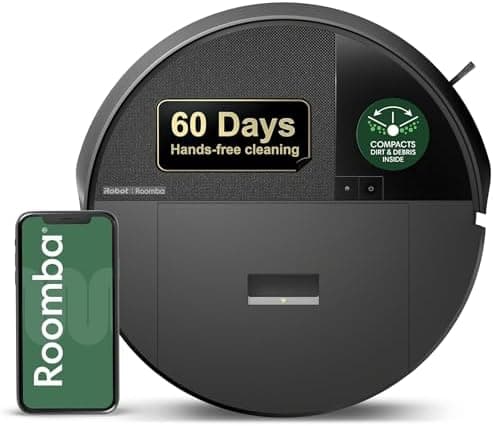
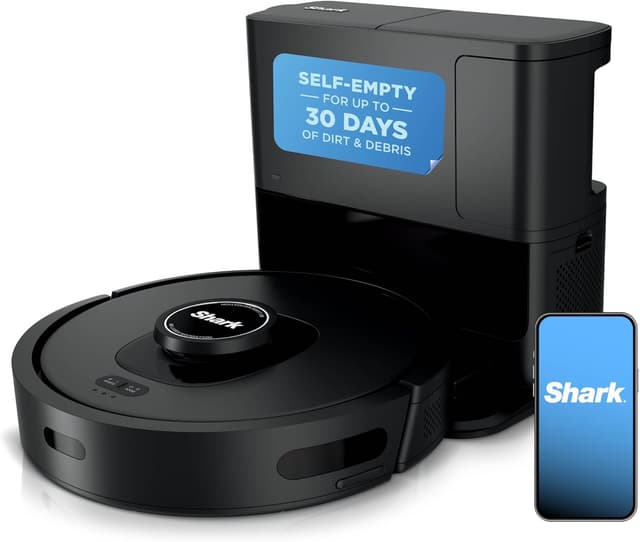
Both the iRobot Roomba 205 DustCompactor Vac and the Shark AV2501S AI Ultra Robot Vacuum made our Top 5 Robot Vacuum Cleaners, at #2 (best value) and #5. The eufy C10 that previously held this spot is now out of stock everywhere, so a newer, cheaper stablemate of the Roomba 105 Vac above takes over: the Roomba 205 Vac skips a separate dock entirely, compacting debris inside the robot itself for up to 60 days of hands-free cleaning. It matches the 105's 7,000 Pa published suction at a lower price, though independent reviews found its navigation less dependable and its compactor mechanism messier in homes with heavy pet shedding. HEPA bagless self-empty base with Matrix Clean home mapping. Pa suction not disclosed, penalized. Often purchased at scale as a high-feature mainstream option.
We score robot vacuum cleaners on Suction Power (30%), Navigation (25%), Battery Life (20%), Self-Empty (15%) and Value (10%). On that basis the iRobot Roomba 205 DustCompactor Vac totals 8.4 out of 10 and the Shark AV2501S AI Ultra Robot Vacuum 6.1. The widest gap is Suction Power, where the iRobot Roomba 205 DustCompactor Vac scores 9.3 against 5 for the Shark AV2501S AI Ultra Robot Vacuum: pa rating. Battery Life also separates them: 8.3 for the iRobot Roomba 205 DustCompactor Vac versus 5.5 for the Shark AV2501S AI Ultra Robot Vacuum.
On paper, the specifications that actually differ: Suction: 7,000 Pa on the iRobot Roomba 205 DustCompactor Vac versus Unspecified on the Shark AV2501S AI Ultra Robot Vacuum; Navigation: ClearView LiDAR on the iRobot Roomba 205 DustCompactor Vac versus Home mapping + Matrix Clean + Wi-Fi on the Shark AV2501S AI Ultra Robot Vacuum; Self-Empty: In-robot DustCompactor, ~60 days, 400 mL bin on the iRobot Roomba 205 DustCompactor Vac versus HEPA bagless, 30-day capacity on the Shark AV2501S AI Ultra Robot Vacuum.
Check current pricing at the merchant links below. Owners praise the iRobot Roomba 205 DustCompactor Vac for industry-first in-robot DustCompactor needs no separate dock, saving counter or floor space and 7,000 Pa published suction, tied for highest in the dry-only class; the most common complaint is independent reviews found navigation and mapping inconsistent and flagged the DustCompactor mechanism as messy to deal with in homes with heavy pet shedding. Owners praise the Shark AV2501S AI Ultra Robot Vacuum for HEPA bagless self-empty base and matrix Clean + home mapping; the most common complaint is suction Pa not disclosed.
iRobot Roomba 205 DustCompactor Vac
- Industry-first in-robot DustCompactor needs no separate dock, saving counter or floor space
- 7,000 Pa published suction, tied for highest in the dry-only class
- ClearView LiDAR navigation maps multi-level homes and cleans in neat rows
- 180-minute runtime
- Independent reviews found navigation and mapping inconsistent and flagged the DustCompactor mechanism as messy to deal with in homes with heavy pet shedding
- 400 mL internal bin is smaller than dock-based bag systems
- Noisy operation reported by reviewers
Shark AV2501S AI Ultra Robot Vacuum
- HEPA bagless self-empty base
- Matrix Clean + home mapping
- 30-day base capacity
- Wi-Fi connected
- Suction Pa not disclosed
- Battery specs unspecified
- No LiDAR (uses home mapping)
Which should you buy?
The iRobot Roomba 205 DustCompactor Vac is the better fit for budget self-empty buyers wanting a smaller footprint than a dock and value LiDAR navigation seekers; it is the higher-scoring pick here, chiefly for Suction Power and Battery Life. The Shark AV2501S AI Ultra Robot Vacuum is the better fit for HEPA filtration priority and bagless self-empty preference. The iRobot Roomba 205 DustCompactor Vac is a poor fit for heavy pet-shedding households (the compactor can get messy); the Shark AV2501S AI Ultra Robot Vacuum is a poor fit for published suction spec needs.
Choose the iRobot Roomba 205 DustCompactor Vac if
- Budget self-empty buyers wanting a smaller footprint than a dock
- Value LiDAR navigation seekers
- Small spaces without room for a dock
Skip it if
- Heavy pet-shedding households (the compactor can get messy)
- Those wanting a traditional bagged dock
Choose the Shark AV2501S AI Ultra Robot Vacuum if
- HEPA filtration priority
- Bagless self-empty preference
- Mainstream buyers
Skip it if
- Published suction spec needs
- LiDAR navigation preference
Common questions
Is the iRobot Roomba 205 DustCompactor Vac better than the Shark AV2501S AI Ultra Robot Vacuum?
In our Robot Vacuum Cleaners ranking the iRobot Roomba 205 DustCompactor Vac scores higher overall, 8.4 to 6.1, with the biggest advantage in Suction Power. The Shark AV2501S AI Ultra Robot Vacuum does not out-score it on any criterion we weigh.
What is the main difference between the iRobot Roomba 205 DustCompactor Vac and the Shark AV2501S AI Ultra Robot Vacuum?
The headline spec difference is Suction: 7,000 Pa on the iRobot Roomba 205 DustCompactor Vac versus Unspecified on the Shark AV2501S AI Ultra Robot Vacuum. In use, the gap that matters most is Suction Power (9.3 vs 5 in our scoring): pa rating.