ASUS ProArt P16 (2025) vs Dell XPS 15
ASUS ProArt P16 (2025) (#2, best premium) vs Dell XPS 15 (#3): in our Graphic Design Laptops scoring the ASUS ProArt P16 (2025) totals 9.1/10 and the Dell XPS 15 8.9/10, the ASUS ProArt P16 (2025) leading on Performance and Display Quality and the Dell XPS 15 on Build Quality and Portability.
We may earn a commission when you buy through our links.

TopsFive comparison scores
Side by side
| ASUS ProArt P16 (2025) | Dell XPS 15 | |
|---|---|---|
| OS | Windows 11 Pro | Windows 11 |
| Processor | AMD Ryzen AI 9 HX 370 | Intel Core i7-13700H |
| RAM | 64GB LPDDR5X | 16GB - 64GB |
| Storage | 2TB SSD | 512GB - 1TB SSD |
| GPU | NVIDIA RTX 5070 (8GB GDDR7) | NVIDIA RTX 4070 |
| Display | 16" 4K OLED Touch 3840x2400 | 15.6" OLED 3.5K 3456x2160 |
| Weight | 4.08 lbs | 4.2 lbs |
| Battery | 90Wh | Up to 13 hours |
| Color Gamut | 100% DCI-P3, PANTONE Validated | — |
| Dimensions | 13.97 x 9.72 x 0.59-0.68 in | — |
| Price | Check price → | Check price → |
How they differ in real use
Built from our graphic design laptops scoring, each product's published specifications, and verified owner feedback — not hands-on testing.
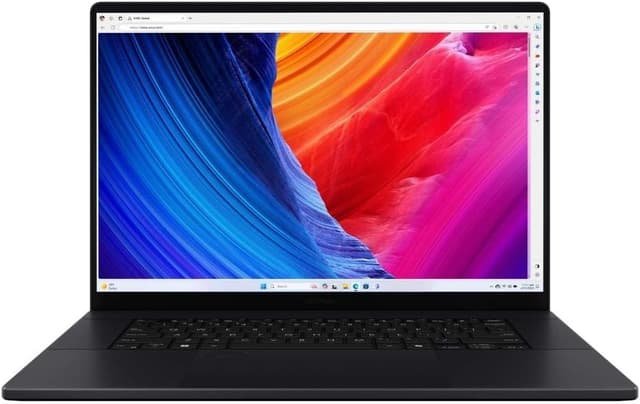
Both the ASUS ProArt P16 (2025) and the Dell XPS 15 made our Top 5 Graphic Design Laptops, at #2 (best premium) and #3. The 2025 ProArt P16 is the best Windows pick for heavier creative work: its 4K OLED touchscreen (100% DCI-P3, PANTONE-validated, stylus support) rivals the MacBook Pro's display, and its RTX 5070 with 64GB of memory outpaces the XPS 15's older RTX 4070 platform for GPU-accelerated video and 3D, in a 4.08 lb chassis with ASUS's DialPad controller. It trails the MacBook Pro on battery life and sustained quiet operation. The XPS 15 remains a polished Windows creator laptop with a strong OLED option and premium chassis, though its older platform keeps it behind the ProArt for demanding workloads.
We score graphic design laptops on Display Quality (35%), Performance (30%), Build Quality (15%), Portability (10%) and Value (10%). On that basis the ASUS ProArt P16 (2025) totals 9.1 out of 10 and the Dell XPS 15 8.9. The widest gap is Performance, where the ASUS ProArt P16 (2025) scores 9.5 against 8.5 for the Dell XPS 15: cPU, GPU, RAM. Display Quality also separates them: 10 for the ASUS ProArt P16 (2025) versus 9.5 for the Dell XPS 15. The Dell XPS 15 claws back ground on Build Quality, Portability and Value.
On paper, the specifications that actually differ: Operating System: Windows 11 Pro on the ASUS ProArt P16 (2025) versus Windows 11 on the Dell XPS 15; CPU: AMD Ryzen AI 9 HX 370 on the ASUS ProArt P16 (2025) versus Intel Core i7-13700H on the Dell XPS 15; RAM: 64GB LPDDR5X on the ASUS ProArt P16 (2025) versus 16GB - 64GB on the Dell XPS 15; Storage: 2TB SSD on the ASUS ProArt P16 (2025) versus 512GB - 1TB SSD on the Dell XPS 15; GPU: NVIDIA RTX 5070 (8GB GDDR7) on the ASUS ProArt P16 (2025) versus NVIDIA RTX 4070 on the Dell XPS 15; Display: 16" 4K OLED Touch 3840x2400 on the ASUS ProArt P16 (2025) versus 15.6" OLED 3.5K 3456x2160 on the Dell XPS 15.
Check current pricing at the merchant links below. Owners praise the ASUS ProArt P16 (2025) for 16" 4K (3840x2400) OLED touchscreen with 100% DCI-P3 coverage, PANTONE validation and stylus support and ryzen AI 9 HX 370 and RTX 5070 for GPU-accelerated photo, video and 3D work; the most common complaint is memory is soldered and cannot be upgraded after purchase. Owners praise the Dell XPS 15 for gorgeous OLED display and powerful Intel/NVIDIA specs; the most common complaint is webcam placement.
ASUS ProArt P16 (2025)
- 16" 4K (3840x2400) OLED touchscreen with 100% DCI-P3 coverage, PANTONE validation and stylus support
- Ryzen AI 9 HX 370 and RTX 5070 for GPU-accelerated photo, video and 3D work
- 64GB of memory and a 2TB SSD in this configuration
- 4.08 lbs, light for a 16-inch laptop with a dedicated GPU
- Memory is soldered and cannot be upgraded after purchase
- The 4K OLED panel runs at 60Hz
- Expensive; sold on Amazon as an HIDevolution build (reseller-applied thermal paste) rather than a stock ASUS listing
Dell XPS 15
- Gorgeous OLED display
- Powerful Intel/NVIDIA specs
- Premium build quality
- Great keyboard
- Webcam placement
- Can run hot
- Expensive
Which should you buy?
The ASUS ProArt P16 (2025) is the better fit for windows photo and video editors and color-critical design work; it is the higher-scoring pick here, chiefly for Performance and Display Quality. The Dell XPS 15 is the better fit for windows creators and photographers, and the stronger choice if Build Quality and Portability matter more to you than the overall score. The ASUS ProArt P16 (2025) is a poor fit for budget creatives; the Dell XPS 15 is a poor fit for budget shoppers.
Choose the ASUS ProArt P16 (2025) if
- Windows photo and video editors
- Color-critical design work
- Illustrators who want a stylus-capable OLED
Skip it if
- Budget creatives
- Buyers who need upgradeable memory
Choose the Dell XPS 15 if
- Windows creators
- Photographers
- Video editors
Skip it if
- Budget shoppers
- Heavy gamers
Common questions
Is the ASUS ProArt P16 (2025) better than the Dell XPS 15?
In our Graphic Design Laptops ranking the ASUS ProArt P16 (2025) scores higher overall, 9.1 to 8.9, with the biggest advantage in Performance. The Dell XPS 15 is stronger on Build Quality and Portability, so it is the better pick if those matter most to you.
What is the main difference between the ASUS ProArt P16 (2025) and the Dell XPS 15?
The headline spec difference is Operating System: Windows 11 Pro on the ASUS ProArt P16 (2025) versus Windows 11 on the Dell XPS 15. In use, the gap that matters most is Performance (9.5 vs 8.5 in our scoring): cPU, GPU, RAM.